A third of skilling scheme trainees remain unplaced
The panel also questioned the performance of the RSETIs, under which only 4.5 million of 6.2 million trained beneficiaries had been “settled” in self-employment. | India News
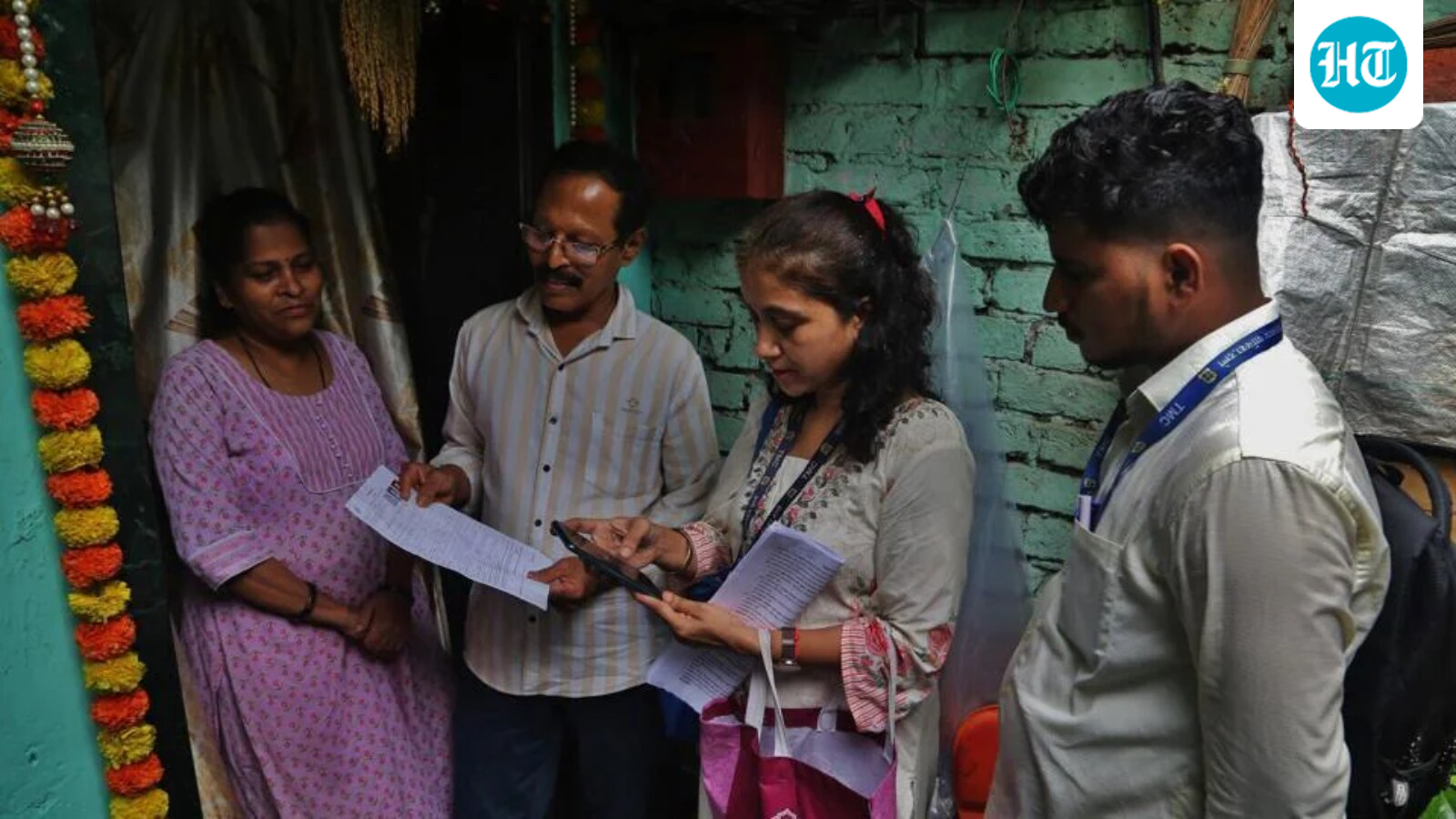
The panel also questioned the performance of the RSETIs, under which only 4.5 million of 6.2 million trained beneficiaries had been “settled” in self-employment.
Since the Union government launched its flagship rural skilling programme in 2014, more than 1.8 million rural youth have been trained under it, but nearly one in three did not secure a reported placement, according to a parliamentary standing committee report tabled on Tuesday.
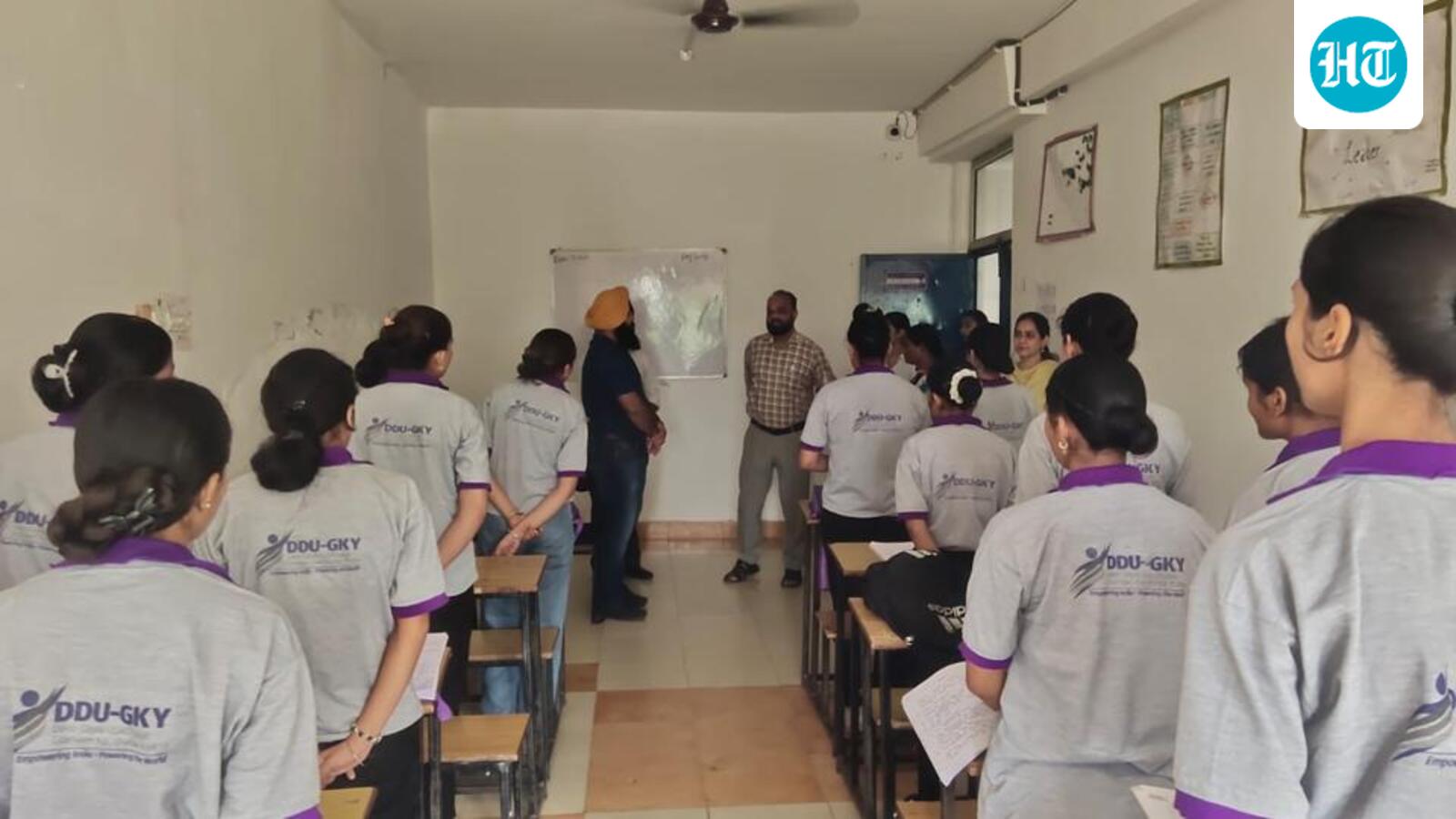
The Standing Committee on Rural Development and Panchayati Raj, headed by Congress MP Saptagiri Sankar Ulaka, questioned the Ministry of Rural Development on why only 1.2 million of the 1.8 million candidates trained under the Deen Dayal Upadhyaya Grameen Kaushalya Yojana (DDU-GKY) had been placed in employment.
The panel also questioned the performance of the Rural Self Employment Training Institutes (RSETIs), under which only 4.5 million of 6.2 million trained beneficiaries had been “settled” in self-employment.
Launched in September 2014, DDU-GKY aims to move rural youth aged 15 to 35 from poor households into regular wage employment through industry-linked training.
The ministry told the committee that the overall placement rate of about 65% varied significantly across states and argued that the headline numbers did not capture the full impact of the programme.
“Overall, the country’s current placement ratio of 65% is a fact, but it varies from state to state,” an official told the committee.
The government also attributed part of the apparent decline to changes introduced under DDU-GKY 2.0, which came into effect in April 2025. The revamped scheme doubled the minimum period for a job to qualify as a placement from three months to six months.
The scheme also expanded eligible outcomes to include self-employment and gig work, ended advance payments to training providers and shifted to milestone-based funding.
However, reported placements fell sharply in 2025-26, with the placement rate dropping to 47.7%, from an average of 77.7% over the preceding three financial years. The decline coincided with the rollout of the revamped scheme.
Experts, however, cautioned against assuming that skills training alone determines employment outcomes. “Unemployment may not be because of lack of skills,” said Ajay Gudavarthy, associate professor of political science at the Centre for Political Studies, Jawaharlal Nehru University. “The supply of employment opportunities is independent of the supply of skills.”
The committee data shows significant differences in placement rates. Tamil Nadu recorded a 95.3% placement rate among 80,214 trained candidates, followed by Andhra Pradesh at 82.9%, Odisha at 81.2%, Haryana at 75% and Telangana at 70.7%.
Uttar Pradesh, which trained the largest number of candidates at 2.55 lakh, placed 1.10 lakh, giving it a 43% placement rate. Jharkhand, Punjab, Rajasthan, Kerala and Bihar also recorded rates below the national average.
Women accounted for 52.5% of all DDU-GKY trainees, well above the scheme’s one-third participation mandate. But their share fell slightly among those placed: 9.65 lakh women were trained, compared with 6.03 lakh placed.
“The data suggests that the scheme has been successful in bringing women into training, but that success is not translating into employment at the same rate,” said Harshil Sharma, a labour economics and public policy expert.
Pallavi Singhal covers agriculture, food policy and the rural economy from New Delhi. Over the past four years, she has reported extensively on farm policy, food inflation, procurement, agri-markets and rural livelihoods. Before joining Hindustan Times, she worked at Moneycontrol and Informist. A journalism post-graduate, she started as a trainee reporter in 2019 with The Indian Express, Chandigarh. Away from the newsroom, she enjoys travelling and crime fiction—preferably mysteries easier to crack than government policy.Read More