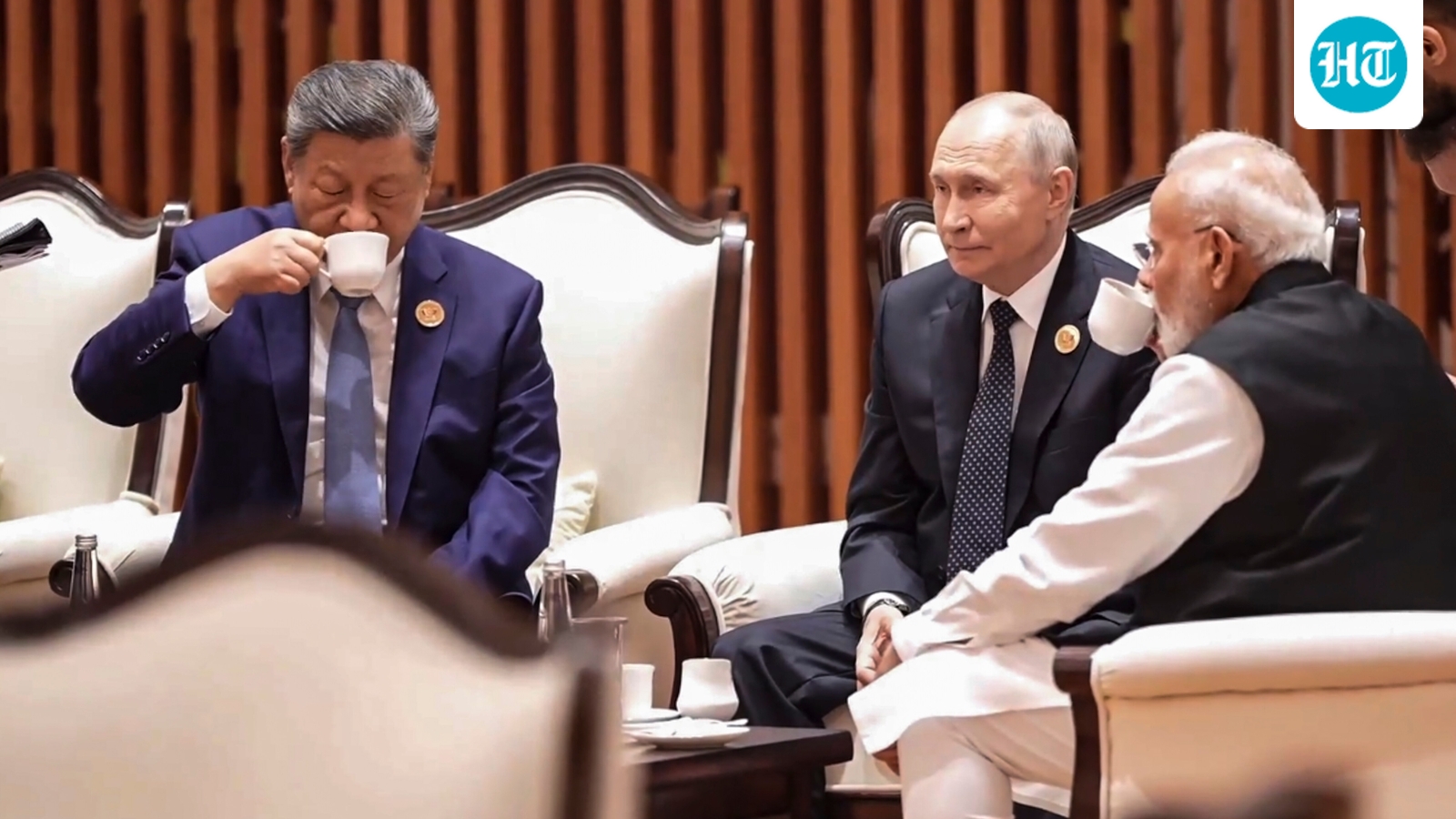
BRICS 2026: India’s summit and the push for dialogue in a fragmented world
Shishir Gupta said the summit showed that India can maintain relationships across competing geopolitical camps without reducing its foreign policy to a choice. | India News
Shishir Gupta said the summit showed that India can maintain relationships across competing geopolitical camps without reducing its foreign policy to a choice.
At a time when wars, rivalries and economic insecurity are reshaping global politics, India’s hosting of the expanded BRICS summit in New Delhi emerged as a major diplomatic moment. In a conversation on Point Blank, Hindustan Times Executive Editor Shishir Gupta argued that the summit demonstrated India’s ability to convene powerful and often adversarial countries around the same table—and to steer a conversation on peace, security, technology and the future of the Global South.
Speaking with senior anchor Aayesha Varma, Gupta described the New Delhi gathering as more than a symbolic photo opportunity. His central argument was that BRICS has become an increasingly important platform for the non-Western world, especially as the traditional international order faces pressure from the Ukraine war, prolonged instability in West Asia and conflict around Gaza and the Red Sea.
The summit, he said, showed that India can maintain relationships across competing geopolitical camps without reducing its foreign policy to a choice between one bloc and another.
And as for the criticism about the vegetarian menu at BRICS? Well, that's just an example of how not just minds are polarised, but stomachs too.
A gathering in a world at war
The BRICS summit took place against an extraordinary international backdrop. The Russia-Ukraine war has continued to dominate European security concerns, while the Middle East remains caught in a wider cycle of confrontation involving Iran, Gulf states, Israel, the United States and Iran-backed armed groups. Disruption to key maritime routes and concern over energy supplies have added an economic dimension to these conflicts.
Against this backdrop, the attendance at the New Delhi summit carried significance. According to Gupta, India brought together leaders and representatives from across the non-Western world, including Russia, China, Iran, the United Arab Emirates, Saudi Arabia, Egypt, Ethiopia, Malaysia and Indonesia.
ALSO READ | New Delhi Declaration: Turning point for women-led development in BRICS
The presence of countries with sharply divergent interests was particularly notable. Iran and Gulf Arab states have had deep political and security differences. Saudi Arabia has faced attacks from the Iran-aligned Houthi movement, while the UAE is closely linked to the United States’ regional security architecture. Yet representatives of these countries participated in the same forum and agreed to a joint declaration.
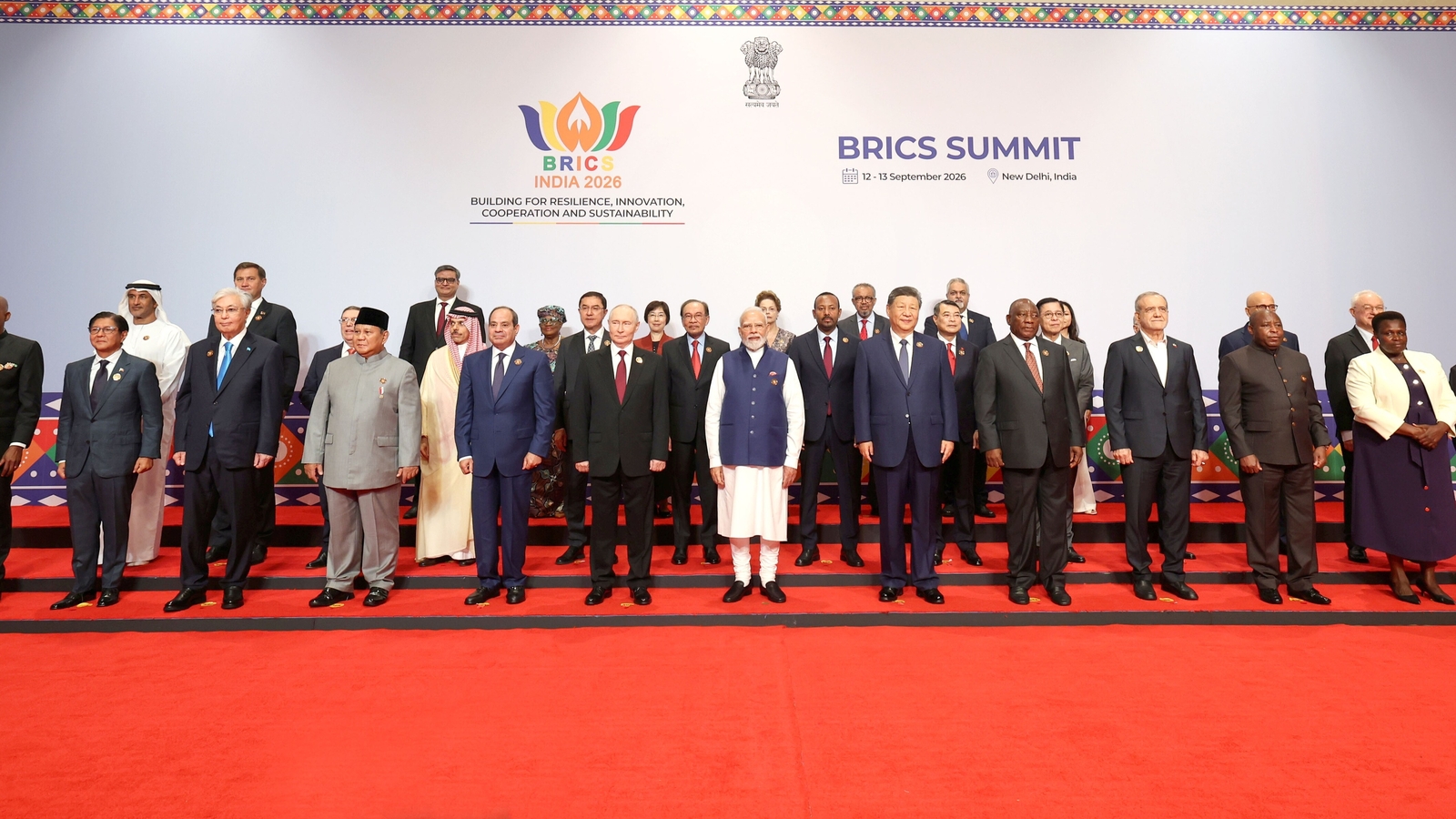
For Gupta, this was the real diplomatic achievement: creating a setting where rival powers could engage without allowing their disagreements to derail the wider agenda.
He compared BRICS’ role in the non-Western world to that of the G7 among Western powers. The comparison does not mean BRICS is a formal military or ideological alliance. Instead, it highlights the grouping’s growing role as a forum for major emerging economies and regional powers seeking greater influence over global governance, finance, technology and security debates.
India-China engagement: Beyond summit symbolism
One of the most closely watched aspects of the summit was Chinese President Xi Jinping’s visit to India after a seven-year gap. Gupta said the bilateral meeting between Prime Minister Narendra Modi and Xi was substantive and should not be dismissed as mere summit-level optics. However, he also stressed that any assessment of a possible India-China thaw must remain cautious.
The core issue, from India’s perspective, is the boundary. Gupta underlined that India’s position has remained clear: the unresolved boundary question must not be allowed to damage the broader relationship, but peace and tranquillity along the Line of Actual Control are essential for progress in other areas.
The India-China border dispute is not an abstract diplomatic issue for New Delhi. Tensions along the frontier have repeatedly affected political trust, military preparedness and economic engagement between the two Asian powers. Gupta pointed to past episodes in which high-level engagement was followed by friction on the border, including the 2014 Chumar incident during Xi’s India visit, the Doklam standoff and the 2020 transgressions in eastern Ladakh.
ALSO READ | After BRICS push for ‘greater role’, US economist backs India for UNSC seat: ‘No country has stronger claim’
That history explains India’s caution. Economic engagement, political contact and long-term strategic dialogue may all be desirable, but they cannot be insulated indefinitely from instability at the border.