Championship all-stars to global gamble – will Ipswich's approach work?
As Ipswich prepare for their return to the Premier League, BBC Sport look at how they are approaching the transfer market differently.
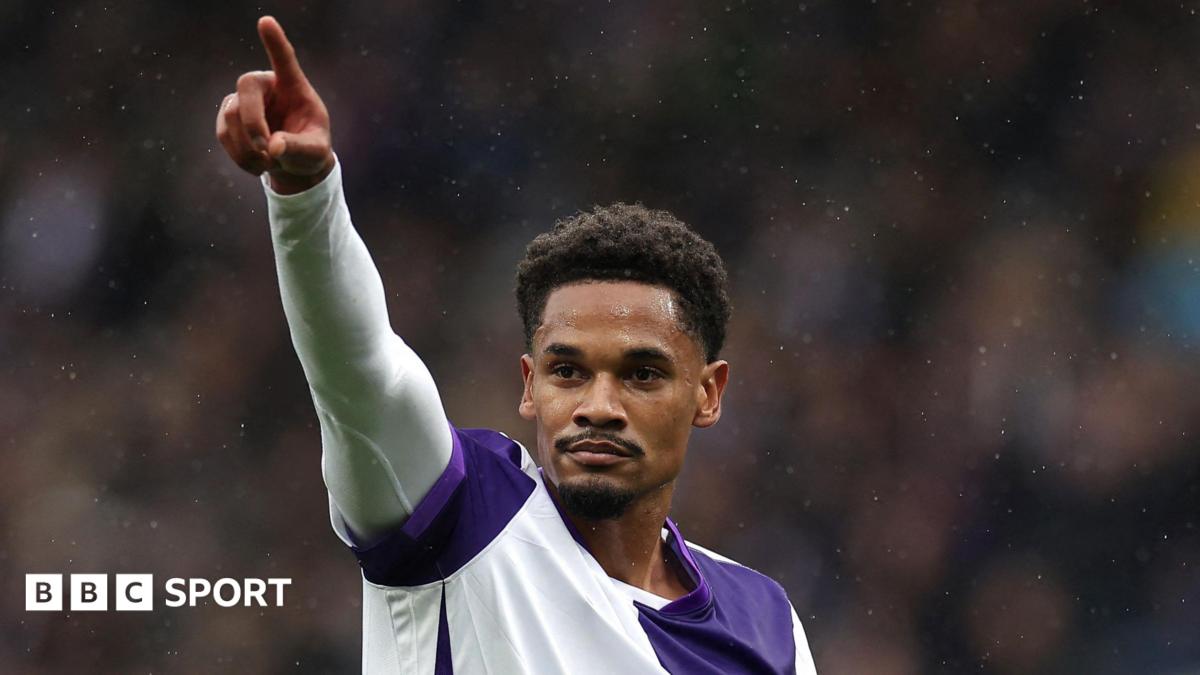
Newly promoted Ipswich Town have quietly been the Premier League's fourth-biggest net spenders so far this summer, behind only Chelsea, Tottenham and Arsenal.
Ten players have joined for a combined £106.6m, but what is most notable about the Tractor Boys' approach under new manager Gary O'Neil is the sea change in recruitment strategy, shaped by lessons learned from their chastening single season in the top flight in 2024-25.
Under O'Neil's popular predecessor Kieran McKenna, who stepped down on 10 June after overseeing three promotions in four full seasons, the Blues targeted players familiar with English football.
McKenna's success was built mainly on players from the UK and Republic of Ireland, supplemented by a handful of overseas additions already accustomed to the language and culture through spells at other English clubs.
Ipswich made 39 permanent first-team signings during McKenna's four-and-a-half-year reign, 32 of them either born or raised in Britain or Ireland, with just two joining directly from European clubs.
But the premium on domestic talent makes it difficult, if not impossible, to bridge the gulf between the Championship and Premier League. The success of Sunderland and Leeds last season demonstrated that for promoted teams to thrive, finding value in the transfer market is essential.
When Ipswich last went up in 2024, 10 of their 12 summer signings were British or Irish players acquired from other English sides.
This time, the Blues have cast their net far wider, with Emersonn and Florentino Luis set to be the first Brazilians to represent the club, Sasa Lukic the first Serbian and Daizen Maeda the first Japanese player.
Of the 10 players purchased, the only Briton is Chuba Akpom from Ajax. Even his arrival is an anomaly, given Ipswich were obliged to buy him following promotion despite an underwhelming loan spell.
New boss O'Neil aims to keep Ipswich in top flight
A youngster to watch at each Premier League club this season
The blueprint behind Ipswich's rise
Ipswich's previous recruitment model can be traced back to their four seasons in League One.
After guiding Town back to the Championship in 2023, McKenna admitted the club had made a "conscious decision" not to target overseas players because of the fast and frantic nature of England's third tier.
A largely unchanged – but tightly knit – squad then exceeded expectations by finishing second in the Championship in 2023-24, making Ipswich the first side in 12 years to reach the Premier League through back-to-back promotions.
At that point, the Blues' hierarchy could have ripped up the modus operandi that had served them so well and pivoted towards more extensive overseas recruitment. Instead, they doubled down on the approach, focusing mainly on emerging domestic talent largely unproven beyond the Championship.
A £100m summer spending spree brought Omari Hutchinson, Jack Clarke, Liam Delap, Dara O'Shea and Jacob Greaves to Portman Road – players who had primarily shone in the second tier but were identified as having the potential to develop into established Premier League performers.
Mindful that the odds were against survival, Ipswich also targeted players thought unlikely to baulk at remaining part of the project in the event of relegation.
McKenna's 'Championship all-stars' fell well short of safety, finishing second bottom with just 22 points, 16 adrift of 17th-placed Tottenham Hotspur.
But once relegation had been confirmed, the Northern Irishman maintained that recruitment had been in the club's "best long-term interests", a view that has arguably since been vindicated.
Despite spending heavily on transfer fees, Ipswich's £77m wage bill was comfortably the Premier League's lowest in 2024-25. That restraint, coupled with a massive boost to TV income and the quick gain made on Delap's move to Chelsea, enabled the club to post a £4m pre-tax profit for the financial year ending in June 2025.
Hutchinson's sale to Nottingham Forest later that summer provided another windfall but O'Shea, Clarke, Greaves and January 2025 arrival Jaden Philogene stuck around to play crucial roles as Town secured an immediate return to the top flight.
Time to be 'braver'
This time around, chairman Mark Ashton says Ipswich have to be "a bit braver" in their approach to the Premier League, and the type of players the club are pursuing reflects that increased ambition.
Japanese attacker Maeda and Morocco centre-back Issa Diop were both on target at the World Cup this summer, and a third goalscorer from that tournament could follow.