Congress seeks review of CAPF conduct after Bengal polls, police action on Oppn workers
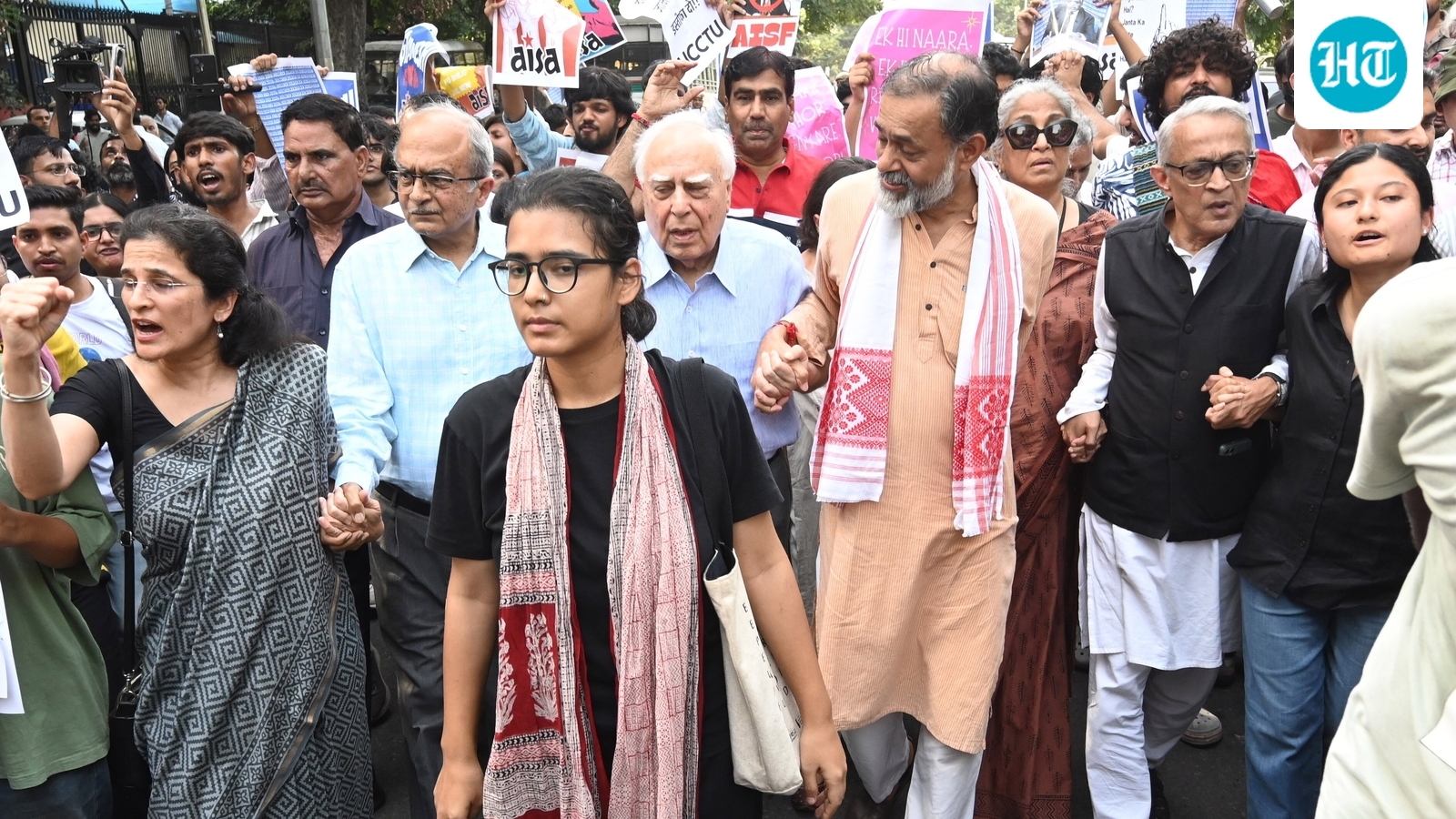
The Congress also sought a discussion on the alleged use of pellet guns by the Rapid Action Force at protesting students in Delhi’s Jantar Mantar in July. | India News

The Congress also sought a discussion on the alleged use of pellet guns by the Rapid Action Force at protesting students in Delhi’s Jantar Mantar in July.
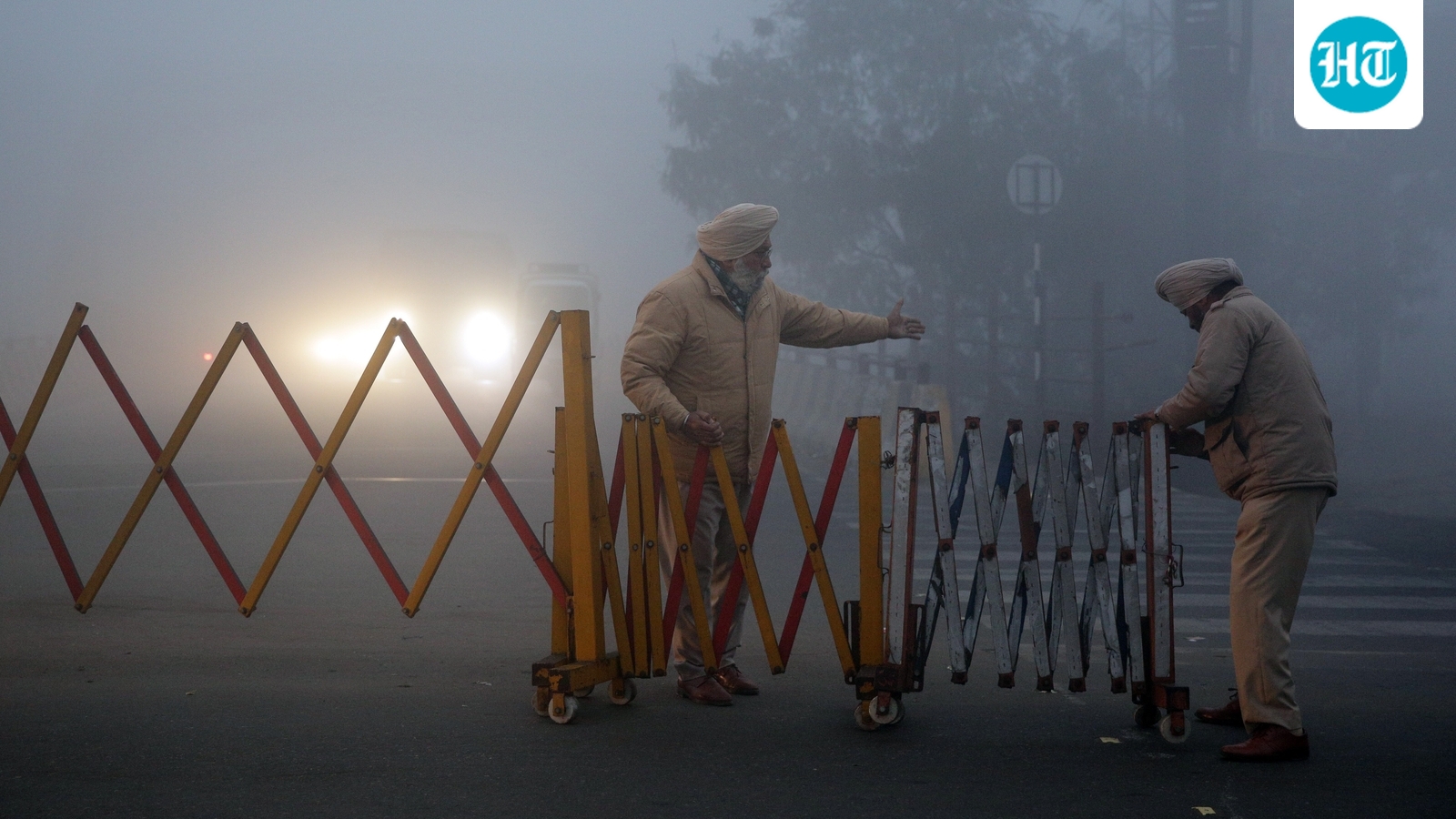
Congress members on the Parliamentary Standing Committee on Home Affairs have written to committee chairman Radha Mohan Das, seeking an examination into conduct of the Central Armed Police Forces (CAPF) in West Bengal and police action against workers and supporters of the opposition party after the results for the assembly elections were declared on May 4.
In a letter dated September 29, Congress MP Ajay Maken also sought a discussion on the alleged use of pellet guns by the Rapid Action Force at protesting students in Delhi’s Jantar Mantar in July. He also sought a review of the Central Armed Police Forces (General Administration) Act, 2026.
“The discussion on the SOP to be followed by the Police Forces that the Chairman of the Committee assured on 25 August 2026 be held at the next sitting, that the pellet gun firing on innocent students at Jantar Mantar be taken up in it…and that the demand of Shri Derek O'Brien of 23 September 2026 be taken up with it, as one subject,” the letter said.
Also Read | Post-poll clashes hit West Bengal; TMC claims ‘offices attacked’
Earlier, Lok Sabha MP Derek O’Brien of the Mamata Banerjee-led Trinamool faction urged Das to discuss “the role of CAPF in the police atrocities and brutality ongoing in West Bengal”.
In his letter, O’Brien’s claimed over 240,000 CAPF personnel were deployed during the assembly polls and that over 700 companies – or around 70,000 CAPF personnel – continued to remain deployed after the results to keep a check on any post-poll violence.
Backing O’Brien's demand, the Congress said his proposal should be “clubbed” with the party’s own concerns over the alleged use of force by police authorities. The letter alleged that more than 70 Trinamool leaders were taken into custody and that a series of custodial deaths of TMC workers had taken place after the Bharatiya Janata Party (BJP) came to power in the state.
Also Read | CJP protests: Pellet guns first used in India in J&K, meant to be used ‘only when other crowd control measures fail’
“His demand sits inside the same question as ours, which is how the police forces under the ministry of home affairs use force against citizens, and under whose orders,” the letter said.
On the Jantar Mantar incident, the letter claimed Das had assured members on August 25 that the issue of alleged use of pellet guns would be examined. However, that discussion is yet to take place. The letter referred to reports of students sustaining pellet injuries during the protests over the NEET-UG paper leak and sought examination of the relevant police diary and ammunition records.
Referring to the CAPF (General Administration) Act, 2026, the Congress panel members claimed the law was enacted on April 9 without being referred to the standing committee. “Because the bill was never referred to this committee, no committee of Parliament has examined the Act either. The Act now decides who may command every CAPF, in sections that no committee of Parliament has read, and that is the strongest reason to examine them now,” they said.
Also Read | Big scoop on use of pellet guns during CJP Jantar Mantar protest: Police daily diary entry reveals details
The letter claimed the law alters the command structure of the CAPFs by reserving 50% of Inspector General posts and at least 67% of Additional Director General posts for deputation, while making the two top posts — Special Director General and Director General — deputation-only. The letter also said rules made under the law prevail over other rules or orders and operate notwithstanding “any judgment, decree or order of any court”.
“Unless this committee acts, what happened in West Bengal and at Jantar Mantar will not stay exceptional, and it will become the ordinary use of these Forces,” Congress said, adding: “This command is chosen at the top by the Union government and deployed inside the states. It is governed by rules that are to prevail notwithstanding ‘any judgment, decree or order of any court’. Such a command can be turned against political opponents, students and citizens in any state where it is deployed.”