'Do you not want India to stay healthy?' Top court grills Centre, FSSAI over food labels
The bench was particularly concerned by minutes of a recent meeting of the food regulator suggesting continued hesitation over front-of-pack warning labels. | India News
The bench was particularly concerned by minutes of a recent meeting of the food regulator suggesting continued hesitation over front-of-pack warning labels.
The Supreme Court on Thursday questioned the Food Safety and Standards Authority of India (FSSAI) over its reluctance to introduce front-of-pack warning labels on foods high in sugar, salt and saturated fat, asserting that consumers, especially children, need to know what they are eating.
“You don’t want people of this country to remain healthy? More particularly growing children?” a bench of justices JB Pardiwala and K Vinod Chandran asked the Centre and FSSAI, while underlining that India must not compromise on public health or settle for lower standards merely because Indian foods may differ from those consumed in developed countries.
The bench was particularly concerned by minutes of a recent meeting of the food regulator suggesting continued hesitation over front-of-pack warning labels, despite the Supreme Court having already asked it to consider the measure. “Are you taking the court for a toss?” asked the bench, questioning whether pressure from food manufacturers was influencing the regulator.
“There is immense pressure at the end of all these corporate houses on you. And you are succumbing to that pressure! We are doing this in public interest. Keep it in mind. We are not doing it for ourselves,” it added.
The court gave the Centre and FSSAI two weeks to place their final decision on record, warning: “This is your last chance. Next time we will dictate the judgement,” it said.
The bench made clear that it was not seeking to ban any particular food or dictate what consumers should eat. What it wanted was for people to have clear information before making that choice.
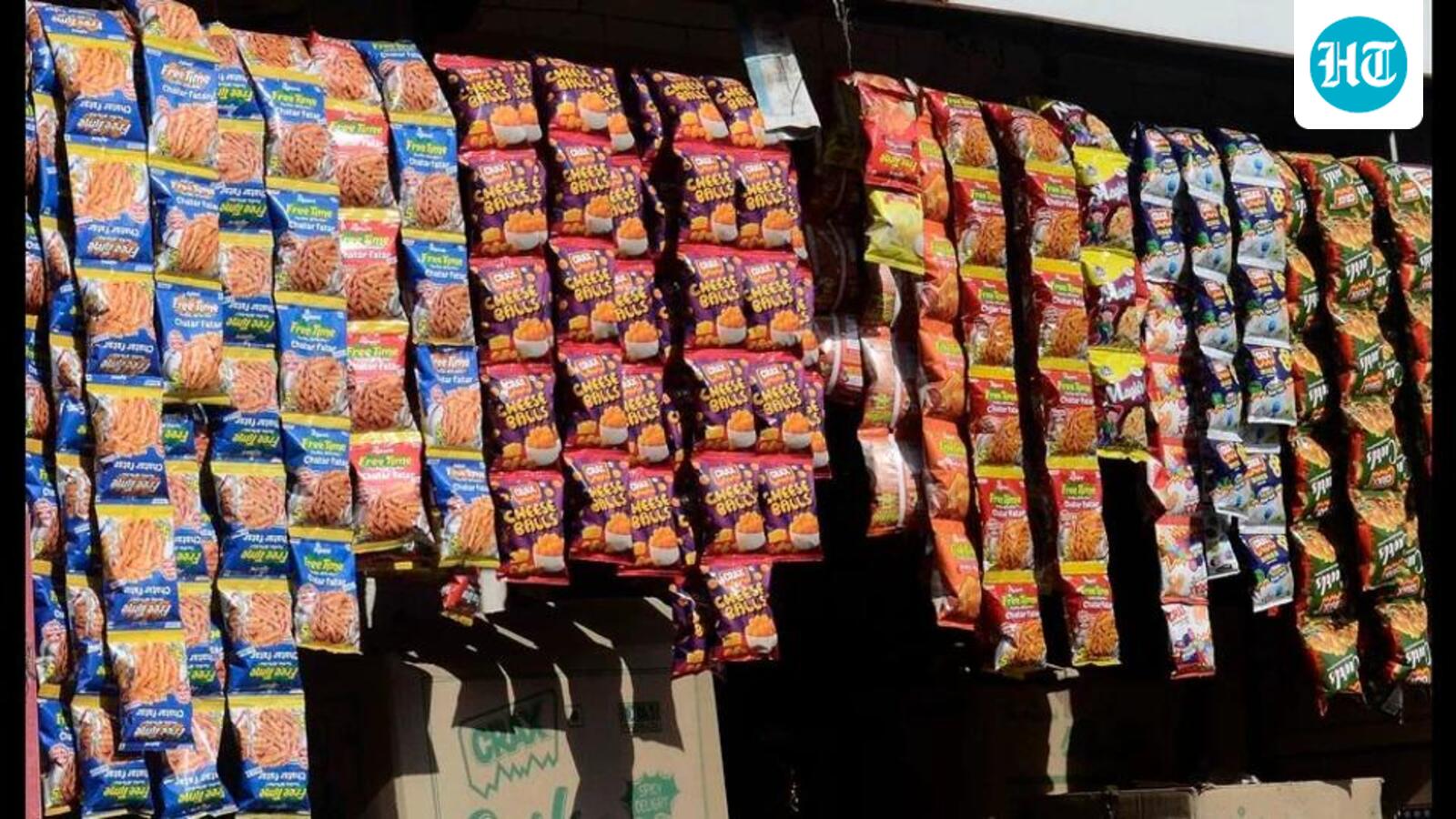
“In this country, how many people can afford dry fruits? And how many children buy Kurkure? That makes all the difference. We are not against any particular product. We only want the person purchasing it to know what he is consuming,” it said.
The exchange came during the hearing of a public interest litigation filed by non-profit 3S and Our Health, seeking warning labels on packaged foods to indicate high levels of salt, sugar and saturated fats.
The government sought to explain the reluctance to impose such warnings by pointing to the composition of Indian foods. Additional solicitor general Brijender Chahar, appearing for the Centre and FSSAI, said traditional Indian foods tend to contain more salt, sugar and fat than what he described as “bland” food in developed countries.
“The difficulty is that each of our traditional foods will have the red symbol on it. Whether it is namkeen etc warning that it is very harmful,” argued Chahar, adding that even foods such as eggs could cross the proposed thresholds for fat. He also submitted that such a system could adversely affect micro, small and medium enterprises, with about a third of MSME revenue coming from traditional foods.
But the bench was unconvinced.
“Even without a red label, everybody knows there is sugar, fat, carbs etc. no? This is to create public awareness,” it said, stressing the need to protect children who are increasingly consuming such products.
The court also rejected the argument that manufacturers could be affected by warning labels. “Manufacturers may not like this because it may affect their business. Even after these warnings, it’s the discretion of the person who purchases it. He may still purchase it or he may not purchase. Why are you reluctant to do this?” it asked.
The confrontation over the issue comes after the Supreme Court previously expressed dissatisfaction with FSSAI’s handling of the matter.
In its August 4 order, the court recorded that it was not satisfied with FSSAI’s compliance affidavit and specifically asked the authority to consider front-of-package labelling, noting that such a system was “internationally prevalent”, and directed it to revert within four weeks.
The issue has been pending for more than a year. The original public interest litigation (PIL) was disposed of in April 2025 after FSSAI told the court that an expert committee would recommend amendments to food labelling rules. The regulator’s proposed Indian Nutrition Rating (INR) system envisaged a 0.5-to-5 star rating for packaged foods based on factors including sugar, salt, saturated fat, energy, protein and fibre, aimed at helping consumers make healthier choices.
But the process has dragged on. FSSAI said it received more than 14,000 comments on the proposal and its expert committee held five meetings, but later reported a lack of consensus on the INR format. It subsequently proposed further amendments, research, consumer surveys and wider stakeholder consultations, while the matter was deferred by the Food Authority.