LiveThursday · 19 November 2026Vol. VIII · No. 323
Bangalore
28°C · Overcast28°C
Thu, 19 Nov
Latest
Crime

Fiscal federalism: Why public finance matters to every citizen

Sarthak Pradhan and Pranay Kotasthane's book, Fiscal Fables, offers insights into India's public finance, linking tax policies to citizen welfare. | India News
Fiscal federalism: Why public finance matters to every citizen

Sarthak Pradhan and Pranay Kotasthane's book, Fiscal Fables, offers insights into India's public finance, linking tax policies to citizen welfare.

Few subjects are as central to the functioning of government—or as likely to make the average citizen’s eyes glaze over—as how governments collect and spend money. But public finance shapes nearly every interaction Indian citizens have with the state.

How much tax revenue will my state receive from the Centre? Will my local government have the resources to invest in the amenities I value? And how can I distinguish between an expensive freebie and a purposeful, targeted cash transfer?

A new book, Fiscal Fables: A Citizen’s Guide to Public Finance, demystifies India’s public finances for a lay audience and explains public finance concepts using relatable stories and examples. The book is co-written by Sarthak Pradhan and Pranay Kotasthane, two public policy researchers at the Takshashila Institution, Bengaluru.

They spoke about their new book on last week’s episode of Grand Tamasha, a weekly podcast on Indian politics and policy coproduced by HT and the Carnegie Endowment for International Peace.

Pradhan, a fellow at Takshashila, said citizens require a better understanding of public finance because when the government spends on different kinds of things, as citizens, one cannot “exit a government’s fiscal choices.” And while “every politician would like to spend more, it has consequences, both for you and future generations, and in some cases these consequences are irreversible. If we understand public finances better, we can deal with these things better.”

Kotasthane, deputy director at Takshashila, argued that the Indian tax system resembles Michael Scott, the bumbling office manager from the popular American television series The Office. Scott “was trying to be so many things at the same time. He wanted his branch to be profitable, and he wanted to be everyone’s best friend, the funniest guy in the room, inspirational, and often he ends up achieving none of those goals,” Kotasthane recounted. “The Indian tax system is identical in that sense. Anyone who has filled their income tax return knows what we are talking about. Income tax returns are so complicated…because the government is trying to achieve many things with this one instrument called tax policy.”

Tax policy is sometimes “used to promote exports, sometimes to incentivise savings, sometimes to drive infrastructure investment, sometimes to ensure balanced regional development, sometimes to boost employment,” Kotasthane said. By trying to achieve so many objectives with one instrument, the government risks losing sight of its ultimate goal, which is to raise the maximum revenue with minimum economic distortion, the scholar explained.

While the Goods and Services Tax (GST) has been criticised for its rollout, Pradhan argued the new system nonetheless represented an improvement over the status quo. By merging 11 Union and state indirect taxes, it reduced the cascading effect of taxation through the input tax credit mechanism, he explained. Pradhan also highlighted the GST Council as an institutional innovation because it brings the Union government and the state governments together under one roof, an arrangement he described as unique in India. “Can the system be better? Are there absurdities in the current GST system? Yes, there are absurdities. But is it worse than before? We don’t agree with that,” he said.

On fiscal federalism, Kotasthane argued that the media often characterises debates over the distribution of resources as a fight between Tamil Nadu and Uttar Pradesh, or Maharashtra and Bihar. But, in reality, “the fight is not so much about horizontal devolution. The real challenge is vertical devolution, that is, how much money the Union government is keeping and how much the state governments are getting.”
Related in Crime

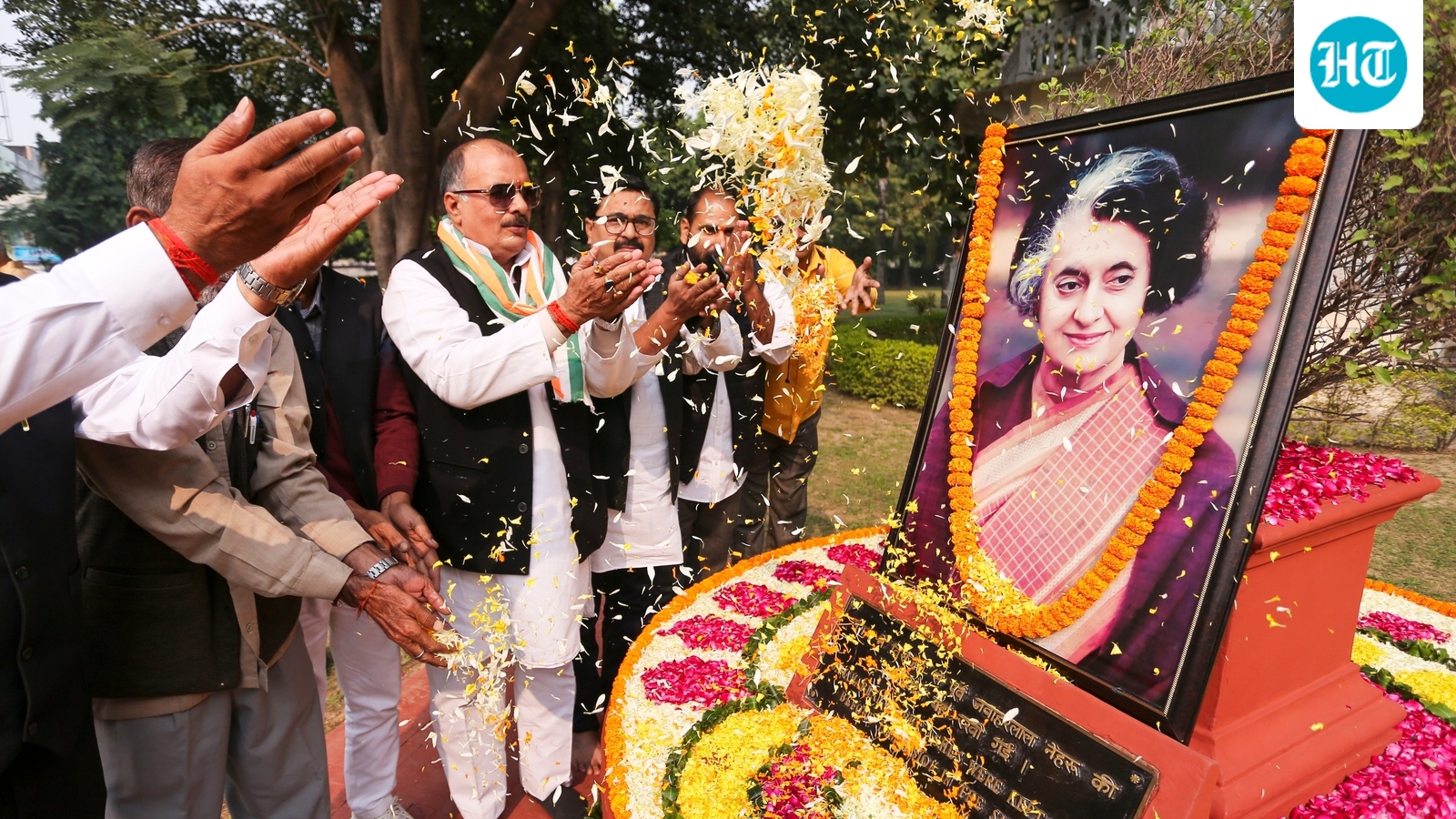
PM Modi pays tribute to former Prime Minister Indira Gandhi on her birth anniversary
Crime

PM Modi pays tribute to former Prime Minister Indira Gandhi on her birth anniversary

Indira Gandhi, India's first woman Prime Minister, was born on November 19, 1917, in Allahabad, now Prayagraj, Uttar Pradesh. | India News

Hindustan Times19 Nov
Keeping foreign nationals in detention centres after granting bail defeats its purpose: Delhi HC
Crime

Keeping foreign nationals in detention centres after granting bail defeats its purpose: Delhi HC

The high court bench held that such grant of bail does not legalise any foreign national's continued stay in India or operate as a substitute for a valid visa. | India News

Hindustan Times19 Nov
'India playing a whole new game': Modi invokes GTA 6 to highlight how India has transformed since the last game
Crime

'India playing a whole new game': Modi invokes GTA 6 to highlight how India has transformed since the last game

Modi used the slides to draw a comparison in the development works India has witnessed since the release of the fifth edition of the GTA in 2013. | India News

Hindustan Times19 Nov
2 retired officials depose in 2007 Bengaluru land release case against Kumaraswamy
Crime

2 retired officials depose in 2007 Bengaluru land release case against Kumaraswamy

Shameem Bhanu and Jothi Ramalingam, both retired as additional chief secretaries, deposed before the special court for MPs and MLAs on November 16 | India News

Hindustan Times19 Nov
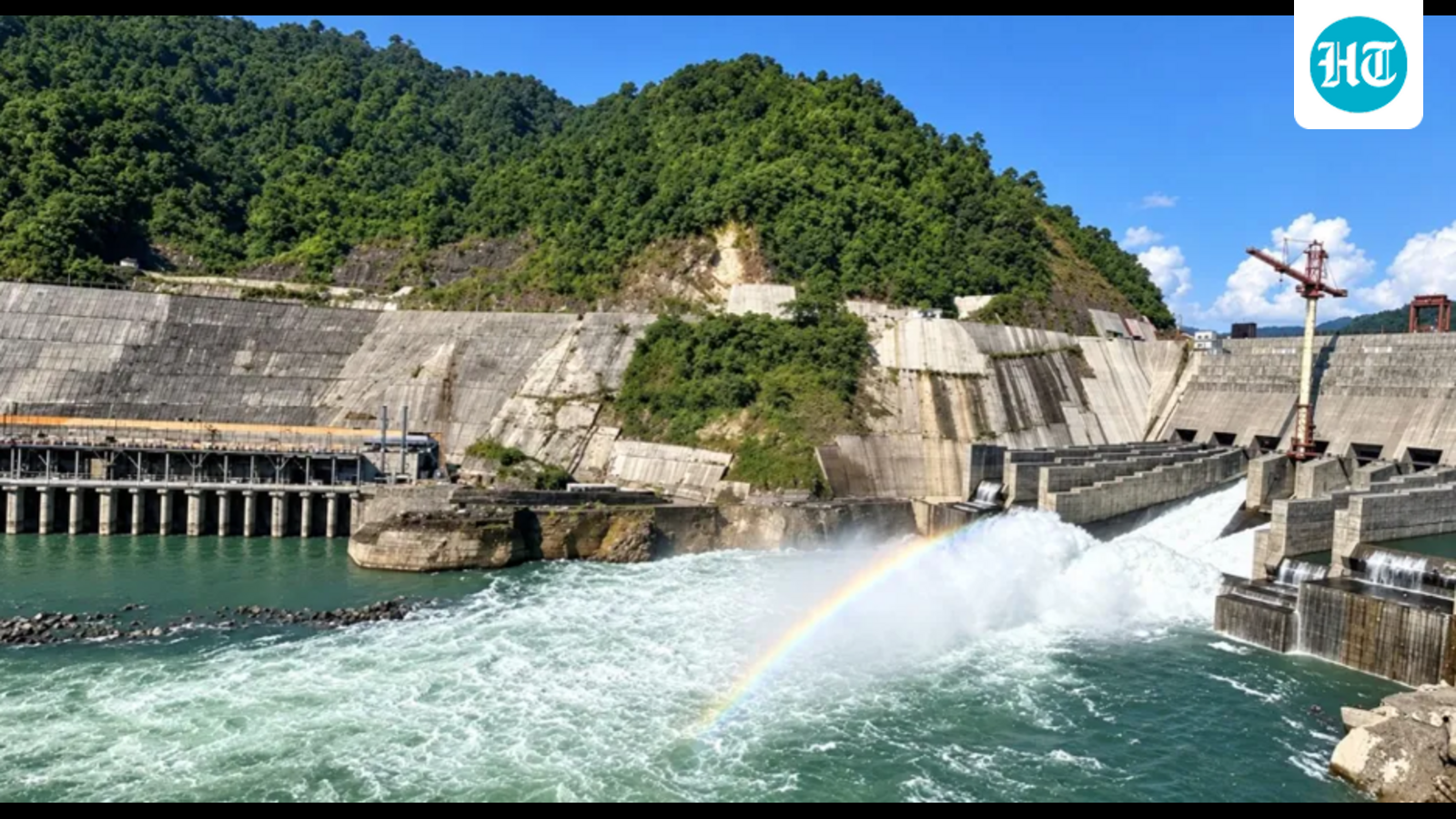
Sub-panel formed to assess environmental, social impacts of Arunachal’s Kamala Hydroelectric Project
Crime

Sub-panel formed to assess environmental, social impacts of Arunachal’s Kamala Hydroelectric Project

The project proposal involves nearly 2.59 million trees in total, out of which 2.34 million are proposed to be felled | India News

Hindustan Times19 Nov
PM sets target for drug abuse eradication at council of ministers meeting
Crime

PM sets target for drug abuse eradication at council of ministers meeting

Modi urged a concerted campaign against drug abuse, while highlighting poverty reduction and gains against left-wing extremism. | India News

Hindustan Times18 Nov

Latest Across Vijaya Chronicle

Cyclone 'Akvan' LIVE updates: Severe cyclonic storm moves northwards; nearly 50,000 evacuated in Odisha
Politics

Cyclone 'Akvan' LIVE updates: Severe cyclonic storm moves northwards; nearly 50,000 evacuated in Odisha

Cyclone Akvan Live Updates: Follow The Hindu’s live blog for the latest updates as the severe cyclonic storm moves over the Bay of Bengal, with landfall expected along the Andhra Pradesh-Odisha coast by November 20. Get the latest updates on cyclone preparedness and evacuation me

The Hindu19 Nov
Census 2027: ‘Other’ religions list made predictive text, over 200 entries from earlier list dropped
Politics

Census 2027: ‘Other’ religions list made predictive text, over 200 entries from earlier list dropped

Census 2027 shows predictive text for “Other” religions with 76 entries after dropping over 200 previously listed options, sparking integrity concerns.

The Hindu19 Nov
BJP turns to Mathura temple issue amid cadre unease, allies’ pressure
Politics

BJP turns to Mathura temple issue amid cadre unease, allies’ pressure

BJP shifts focus to Mathura Krishna temple amid cadre unease and alliance seat-sharing pressures ahead of UP polls.

The Hindu19 Nov
Why Ukraine keeps targeting the Kerch Bridge
Politics

Why Ukraine keeps targeting the Kerch Bridge

Ukraine targets the Kerch Bridge repeatedly, highlighting strategic symbolism and ongoing impact on Russia’s supply routes and Crimea relations.

The Hindu19 Nov
Why has the INDIA bloc posed 48 questions to the Election Commission over SIR?
Politics

Why has the INDIA bloc posed 48 questions to the Election Commission over SIR?

India bloc seeks transparency on Election Commission's SIR decisions by demanding 48 interrogatories to reveal internal approval, procedure, and records.

The Hindu19 Nov
Filmmaker Bharatbala reunites with AR Rahman for father-daughter drama ‘Banaras’
Cinema

Filmmaker Bharatbala reunites with AR Rahman for father-daughter drama ‘Banaras’

Director Bharatbala is set to return to feature filmmaking with his upcoming film, Banaras, which has music by AR Rahman, the makers announced recently.

The Hindu — Cinema19 Nov