'I can't afford to turn the oven on': 7.4m households struggling to buy essentials
As Andy Burnham promises “breathing space” for households, millions are unable to buy items such as clothing, heating and food.
Four years into the cost-of-living crisis, almost two-thirds of low-income families say they struggle to buy essentials such as clothes, heating and food, according to anti-poverty charity the Joseph Rowntree Foundation (JRF).
A record 62% of those families were unable to afford an essential item in the past six months, the charity found.
That is the equivalent of 7.4 million households, up from 7.1 million a year ago.
Almost half of those surveyed had skipped a meal or cut portion sizes to save money.
Newly appointed Prime Minister Andy Burnham has promised to set out how he will "give people some breathing space, help with the cost of living," including cutting VAT on electricity bills from October.
'I can't remember the last time I treated myself'
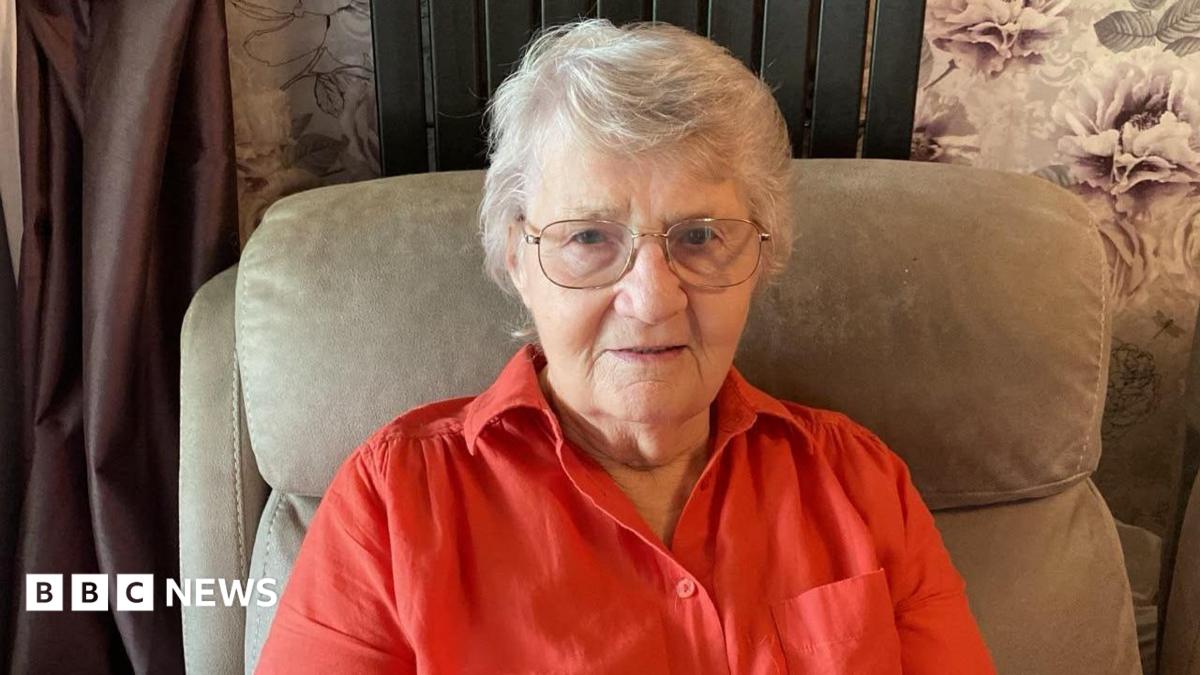
Elaine Yates, 77, says money worries mean she "can't remember" the last time she used her oven to cook a hot meal.
"I don't look after myself. I can't remember the last time I put the oven on. I have got an air fryer that I probably used about three weeks ago.
"I had two slices of toast yesterday and two Weetabix and fruit is all I've had to eat today."
The pensioner lives by herself in rural Northamptonshire after being widowed five years ago. Following 20 years as a full-time carer for her husband, her finances are "extremely tight", so she has felt particularly vulnerable to price rises since he passed away.
"It's really hard times, not just for me, but for thousands of others. My car costs me an arm and a leg. The fuel prices are rocketing up again, and I live in a village, so I need a car because I've got arthritis and I can't walk very far. I spend about £50 a week on petrol, which is more than my food bill."
Elaine often gives lifts to others in her village who don't have transport, only to find herself unable to shop alongside them.
"I've got one friend who buys clothes and I sit outside the shop because I can't afford to go in," she says. "I can't remember the last time I treated myself."
In the winter, Elaine rarely turns the heating on, and when she does she keeps the thermostat at a low 13C.
"Any extra help with their energy bills will be welcomed by older people, who we know worry hugely about the cost of fuel and often ration their heating, putting their health at risk, to ensure they can make ends meet," said Caroline Abrahams, Charity Director at Age UK
But the charity would now like the prime minister to go further and increase the value of the Warm Home Discount, to cover all households on low incomes.
'You're just about surviving'
Zoe Hayden, 35, is a single parent who fell into debt after being made redundant from her retail job while on maternity leave.
Zoe, who lives in North Oxford, is now debt-free and completing a plumbing apprenticeship. But she says rising costs are still a challenge when feeding a family.
"Over the last five years, it's been absolutely bonkers, the way that things have increased. I remember going into the shop and being like, wow, nearly everything I'm buying has increased by 50p or 75p. That's a lot of money when you're struggling.
"I went into the shop the other day and I spent £45 on basic stuff, not even two bags of shopping. It just means you have to make even more sacrifices. You're not living your best life, you're just about surviving."
She would also like Burnham to go beyond cheaper energy bills and look to fund free or affordable activities for children in low-income families, such as youth clubs, holiday schemes and sports camps.
Separate research from charity Christians Against Poverty found about 35% of adults in the UK worry about their finances every day.
As the VAT announcement will save households about £45 a year, "the fear of juggling budgets that simply don't balance remains", says Juliette Flach, Acting Head of Policy and Public Affairs.
"With incomes failing to keep pace with the high cost of essentials, many of the people we see are left facing impossible decisions."
JRF's chief economist Chris Belfield said: "Andy Burnham starts his time as prime minister at a time when the cost-of-living crisis has never been more widely felt.
"Government policy can work. We need greater intervention to control rental prices, make energy affordable and improve the adequacy of Universal Credit so everyone can afford the essentials."
A government spokesperson said: "We're determined to turn the tide on poverty after years of rising hardship. Our recent statistics show that effort is beginning to make a difference - household incomes have risen 5% in real terms, food bank usage has fallen, and food insecurity is down.




