India secures EU steel quota, seafood and shipbreaking concessions ahead of FTA
India has secured a 2.8-million-tonne duty-free steel export quota, seafood export approvals and shipbreaking concessions from the EU ahead of the FTA. | India News
India has secured a 2.8-million-tonne duty-free steel export quota, seafood export approvals and shipbreaking concessions from the EU ahead of the FTA.
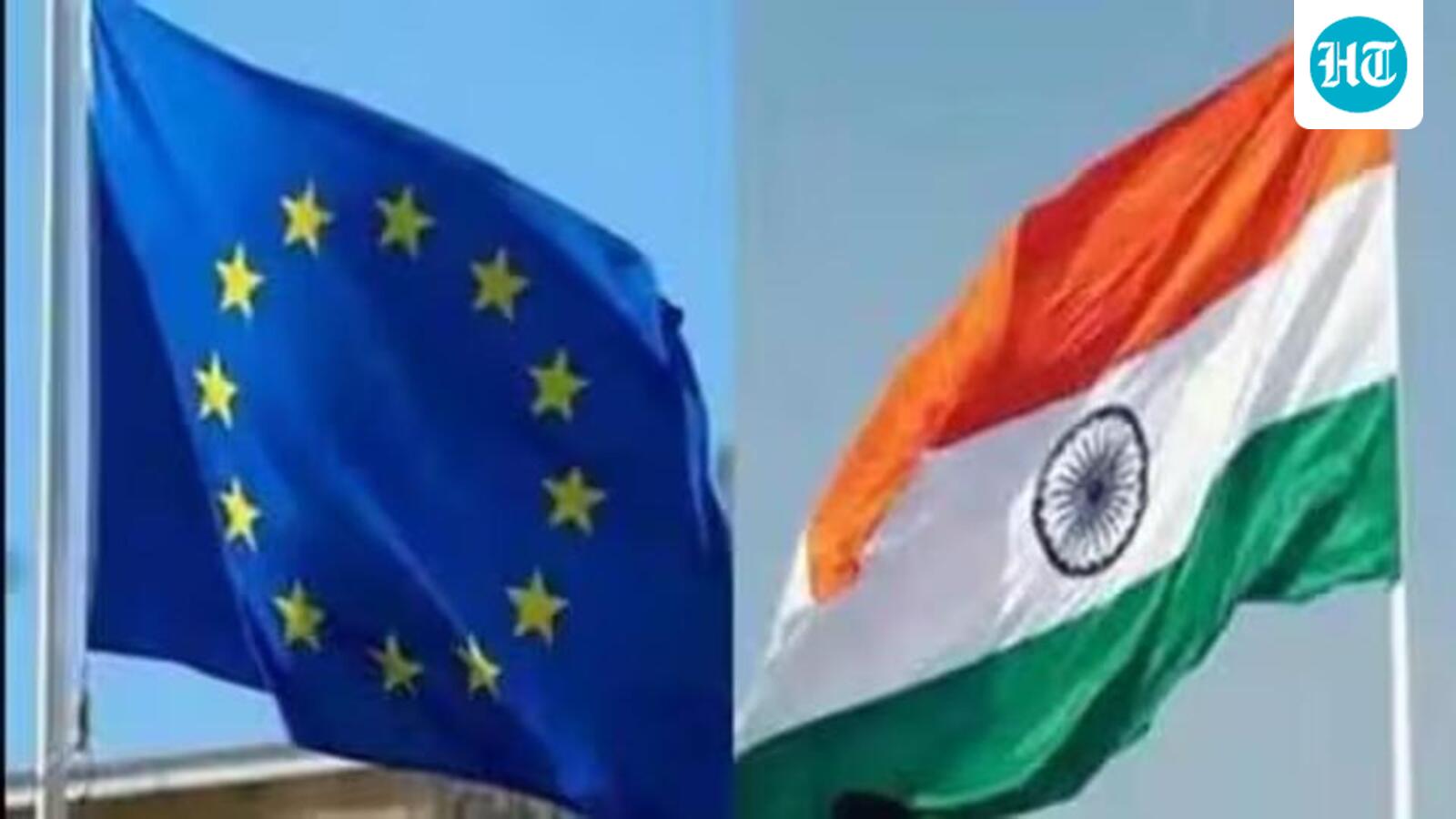
India has secured favourable concessions in advance for its steel, fisheries and shipping sectors from the European Union, even as the two sides move towards signing their “mother of all FTA” by December and operationalising it early next year, a senior commerce ministry official said.
Some concessions under the yet-to-be-signed India-EU free trade agreement (FTA) have already taken effect, including an increased quota for Indian steel exports to the EU, the official said, requesting anonymity.
The EU has imposed a quota system on steel imports from all countries as part of measures to address overcapacity and protect its domestic industry. Under the system, the EU sets a duty-free quota of 18.3 million tonnes (mt) and imposes a 50% duty on out-of-quota imports. Indian steel importers are availing duty free quota from July 1, the official said.
“Certain concessions and commitments have been frontloaded soon after conclusion of the FTA negotiations. India’s steel export to the EU is one of them, which is effective from July 1,” he said. New Delhi secured a quota of about 2.8 mt Indian steel exports to the EU, he said. The quantity is over 93% of 3 mt average annual supplies of Indian steel to the bloc.
India and the EU concluded their free trade negotiations on January 27, which both sides describing it as ‘mother of all deals’. The EU is a vast developed market comprising 27 countries with a combined economy of approximately $23 trillion.
Other than steel, India has obtained non-tariff concessions, including approval for 625 Indian fishery establishment to export shrimps and seafood to the EU.
The EU has also approved shipbreaking in India, a second country to get this concession outside Europe after the US. India is one of the leaders in shipbreaking in the world with a 30% market share. Two such approved Indian ship recycling yards are located in Gujarat.
A second official said the concessions were secured during the FTA negotiations and businesses of both sides were now working to tap the potential of the agreement, which is expected to be operational soon.
According to the officials, the legal scrubbing of draft India-EU FTA was completed in record time and the same is now referred to the European Council. The Council is likely to approve it soon and by December 2026 both countries may sign it, he said. The deal is expected to be operational by early 2027 after approval of the EU Parliament, he said.
The officials said India’s steel quota would have been substantially lower but for the FTA negotiations concluded in January. Further negotiations between February and June helped secure the additional quota, they said.
The FTA negotiations are also helping India align its carbon measurement and reporting practices with the EU system, according to the officials. The UK has already recognized India’s carbon credit trading scheme to resolve British Carbon Border Adjustment Mechanism (CBAM) or carbon tax on Indian exports of goods like steel, aluminium and cement. Experts said this would also set a precedence for the EU’s CBAM.
The EU’s CBAM, or carbon tax, is a horizontal regulation applicable to all its trading partners. The import duty on select carbon-intensive goods is levied based on their greenhouse gas emissions to offset carbon leakage. Carbon leakage occurs when EU firms import carbon-intensive products from countries with less stringent climate policies.
Rajeev Jayaswal is a senior journalist, author and communication strategist with over three decades of experience covering India's economy, energy, trade and public policy. He is Senior Editor at Hindustan Times and author of The Lobbyists, recognised for insightful reporting, in-depth analysis and policy-focused journalism.Read More