JEE (Advanced) 2026: How IITs’ women-only seats scheme is bridging gender gap
Of 43,112 women registered for JEE (Advanced) 2026, 10,107 qualified, taking their qualification rate to 23.4% | India News
Of 43,112 women registered for JEE (Advanced) 2026, 10,107 qualified, taking their qualification rate to 23.4%
Over 10,000 women qualified for the Joint Entrance Examination (Advanced), or JEE (Advanced), for the first time in six years (2021-2026), coinciding with the Supernumerary Seats Scheme (SSS), which changed their odds of studying at 23 Indian Institutes of Technology (IITs).
Of 43,112 women registered for JEE (Advanced) 2026, 10,107 qualified, taking their qualification rate to 23.4%, the highest in six years, according to IIT Roorkee’s Joint Implementation Committee (JIC) report dated October 3.
In 2025, 9,404 women qualified out of 43,413 registrations, achieving a success rate of 21.7%. The number of women qualifiers increased by 7.5% even as registrations fell 0.7% to 43,112 in 2026. In 2026, women accounted for 23% of the 187,389 JEE (Advanced) registrations but only 17.8% of the 56,880 qualifiers.
The rise in women qualifiers comes before the admission stage, where the SSS has been in place since 2018. The qualification rate depends on the marks distribution among candidates and the qualifying threshold fixed for each category. “The qualifying criteria were relaxed to ensure at least twice the number of candidates qualified as compared to available seats in each category,” the JIC report said.
There was no separate qualifying cut-off for women candidates in JEE (Advanced) 2026. Women were subject to the same category-wise qualifying criteria as other candidates.
The Common Rank List (CRL) cut-off in 2026 was 92 out of 360, up from 74 in 2025. The CRL is the overall merit list based on candidates’ total marks, irrespective of their category.
In 2026, women received 3,814 of 18,861 IIT seat allotments, or 20.22%, compared with 20.15% in 2025. Of these, 3,777 were allotted through women-only seats and just 37 through the gender-neutral pool.
The numbers reflect the continuing impact of SSS to increase women’s representation in IIT undergraduate programmes to 20%. The scheme creates additional seats for women rather than reducing the number available to male candidates.
Before SSS, women accounted for only 7% to 9% of BTech students at IITs, despite women making up 28% to 29% of undergraduate engineering students nationally between 2013 and 2020. The proportion of women allotted IIT BTech seats rose to nearly 20% by 2020 and has remained around that level since.
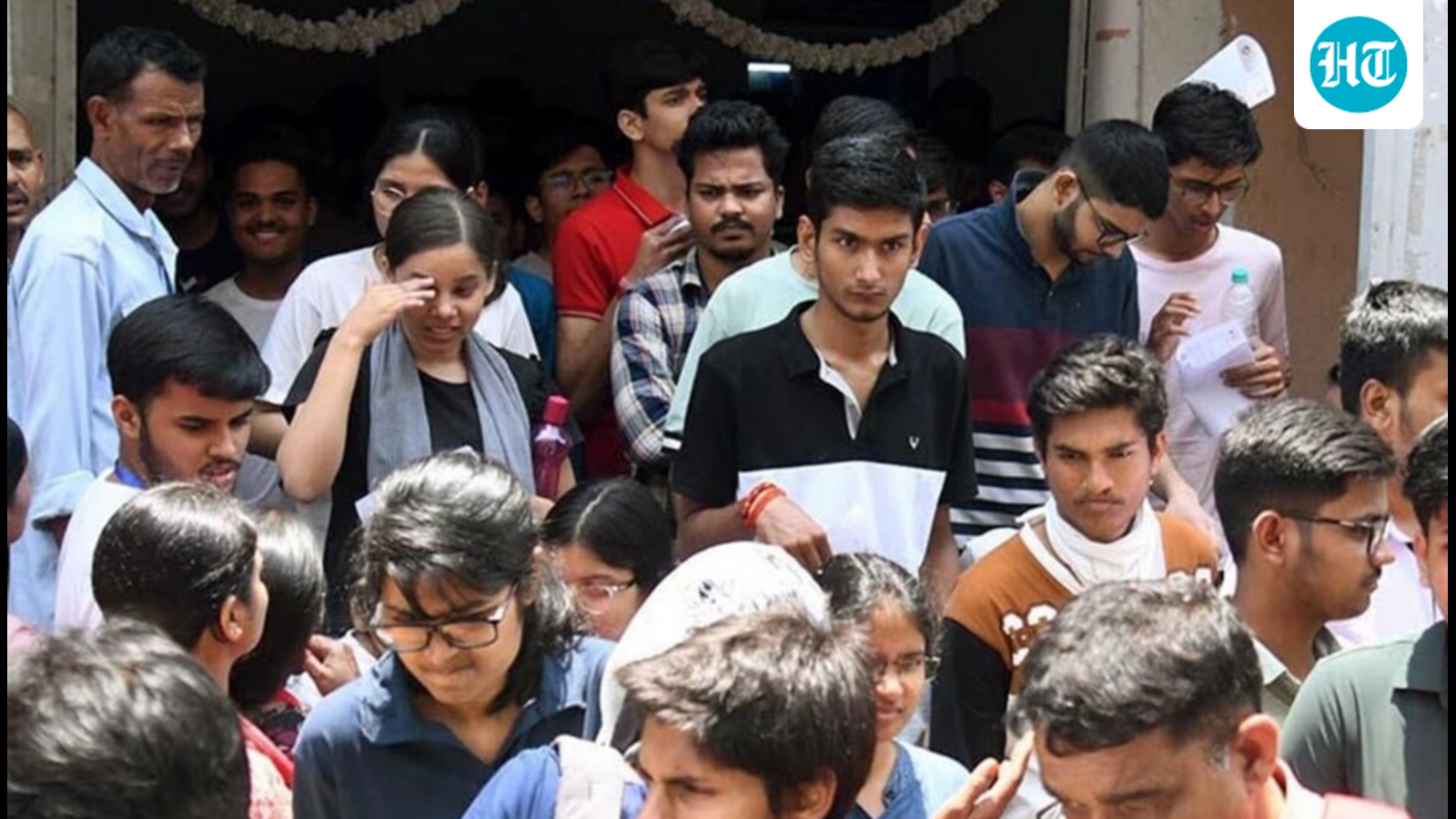
A study by Nandana Sengupta and Ravinder Kaur of IIT Delhi and Rohit Munshi of the University of Houston, published in November 2025 in the Springer journal Higher Education, found that before SSS, women constituted 11% to 13% of JEE (Advanced) qualifiers. A considerably smaller proportion of qualified women than men were ultimately entering IITs. The additional women-only seats helped close that gap without reducing the number of seats available to male candidates.
The study found that the scheme appears to be doing more than simply increasing women’s headcount. It is also changing the branches high-ranking women choose.
The study found post-SSS rank gaps between women-only and gender-neutral seats are smallest for traditionally male-dominated programs. It suggested that high-ranking women are increasingly opting for branches such as computer science, electrical and mechanical engineering. The study noted that the finding warrants a re-examination of earlier assumptions about gendered preferences in engineering.
The study argues that the presence of more women in IITs can alter perceptions about engineering as a male-dominated field and encourage other women to consider the institutions.
The scheme works by dividing seats into “female-only” and “gender-neutral” categories. Additional seats are created for women in branch-institute combinations where their representation is below the 20% target. Programmes that had at least 20% women representation did not require additional seats.
The scheme has had an “intersectional benefit” for women from disadvantaged caste groups, the study found. Because women-only seats are created within reserved categories, the policy has increased the representation of SC/ST women in IITs. The researchers found that the proportion of SC/ST candidates who were women increased from about 12% in 2014 to about 20% in 2021 in one IIT-level analysis.
For women entering the IIT system, the scheme may also be creating a self-reinforcing effect by increasing the visibility of women in engineering.
Akshaya Jha, a fourth-year BTech (mineral and metallurgical engineering) student at IIT (ISM) Dhanbad, said SSS is very helpful in motivating women to aim for studying engineering in IITs. “The scheme is creating a community of women engineers who will further motivate other girls to pursue higher studies in engineering.”