‘Proved misbehaviour’: Ex-bureaucrats, activists serve ‘impeachment notice’ against CEC Gyanesh Kumar; list 6 charges
The delegation accused Gyanesh Kumar of taking decisions in the name of the ECI without adequate consideration by the full commission. | India News
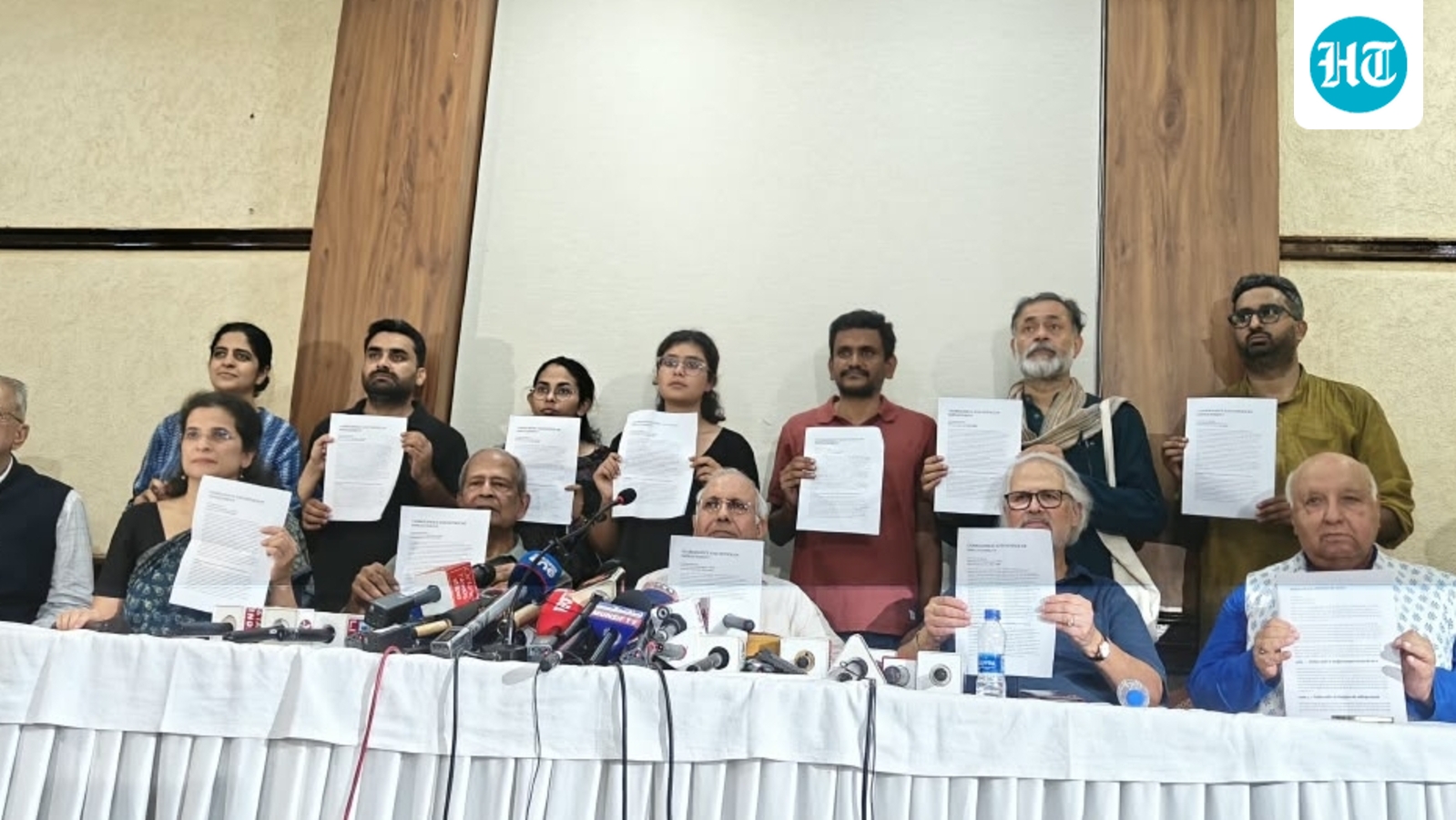
The delegation accused Gyanesh Kumar of taking decisions in the name of the ECI without adequate consideration by the full commission.
A delegation of former civil servants and social activists on Monday moved a chargesheet and notice of impeachment against Chief Election Commissioner Gyanesh Kumar, accusing him of “proved misbehaviour” and demanding his removal from office under Article 324(5) of the Constitution.
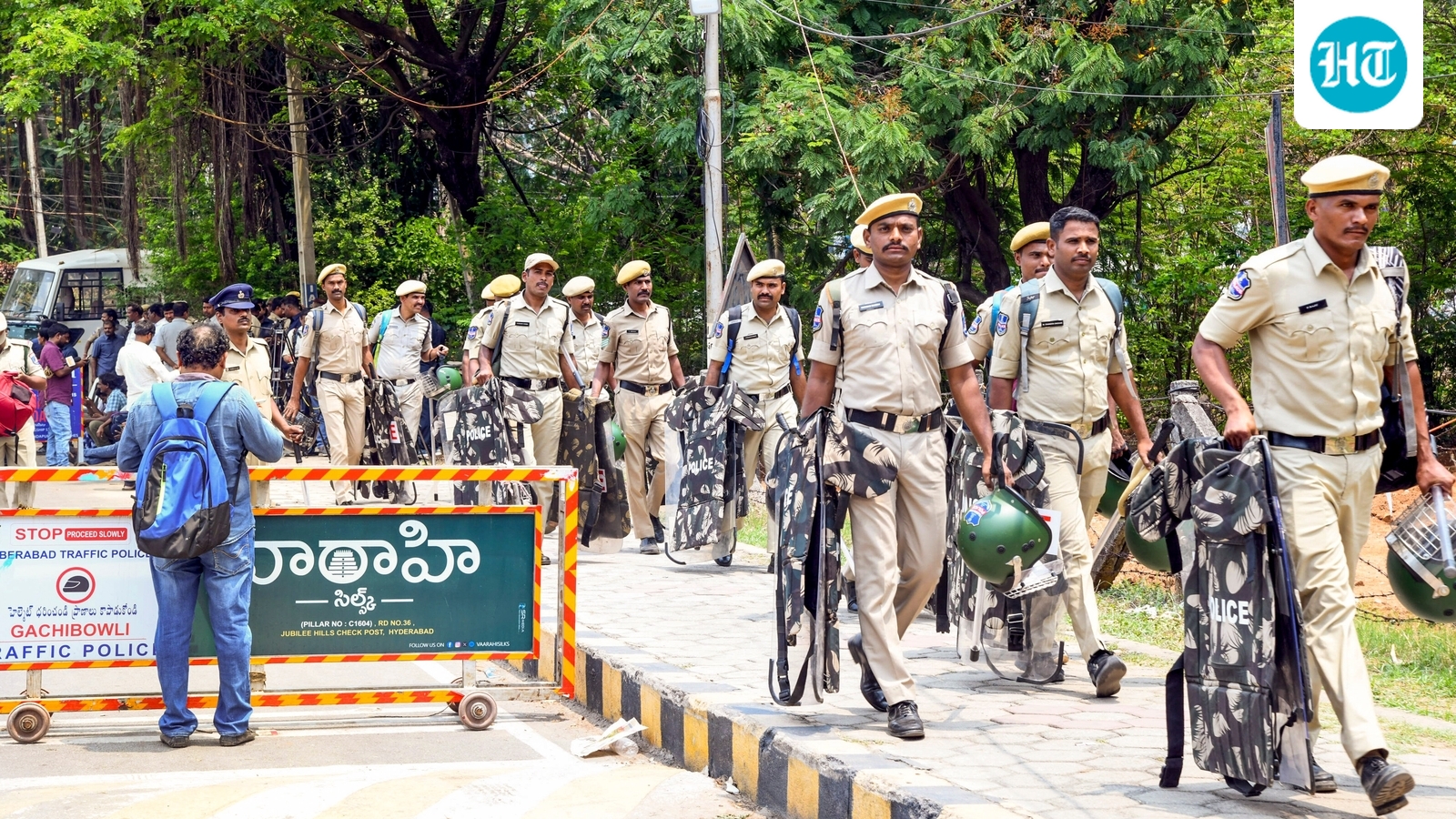
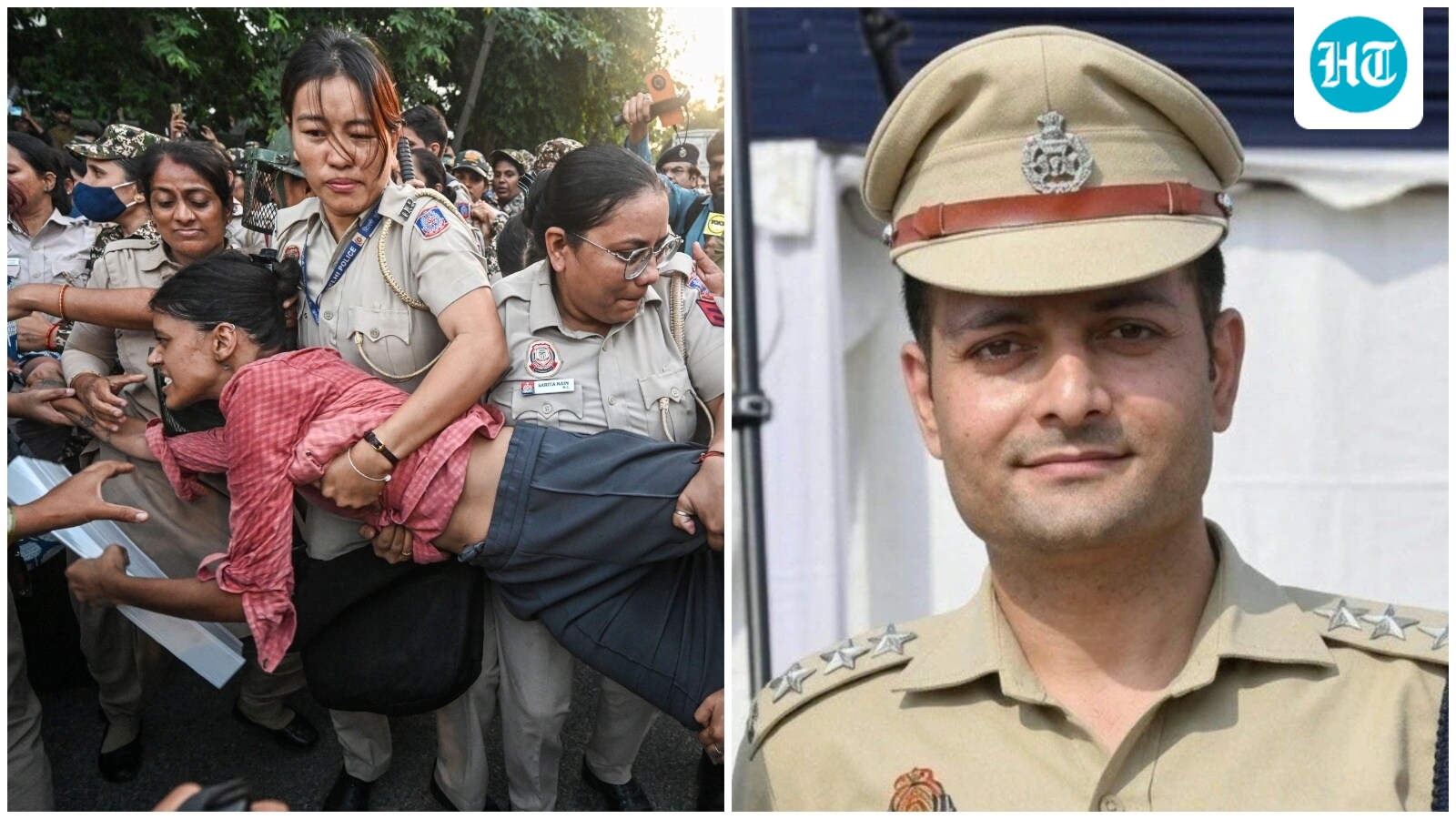
The move came amid reported police barricading of routes leading to the Election Commission of India (ECI) ahead of the delegation’s proposed submission.
The notice alleged that Kumar had followed a “sustained pattern of wilful disregard of law and constitutional duty, abuse of authority and conduct destructive of the integrity of India's electoral democracy”.
ALSO READ | SC refuses to restrain Gyanesh Kumar, says can't pass order based on news report
The delegation said the alleged actions had undermined the ECI's credibility and independence and asked Kumar to resign. It said that in the absence of his resignation, “We, the People of India” were serving the impeachment notice and demanding his removal.
The chargesheet contains six allegations.
What are the six charges against Gyanesh Kumar?
1. Undermining collective functioning of ECI
The delegation accused Kumar of taking decisions in the name of the ECI without adequate consideration by the full commission. It specifically cited the Special Intensive Revision (SIR), alleging that it proceeded without sufficient discussion, consultation, rule-making or recorded proceedings.
The notice also referred to reported objections by two Election Commissioners over decisions allegedly taken without their knowledge and meetings held without proper agendas and minutes.
ALSO READ | Supreme Court issues notice to Centre, poll panel over CEC Gyanesh Kumar's functioning; no interim order
2. Unauthorised changes to Form 6
The second charge relates to changes made to Form 6, used for inclusion of names in electoral rolls.
The delegation alleged that a modified version was used despite objections within the commission that the changes were “unauthorised and illegal”. It further alleged that voters whose names had previously appeared on electoral rolls were required to state that they were seeking inclusion for the first time.
3. Unlawful use of ECINET
The delegation alleged that ECINET was deployed in a way that undermined the statutory authority of Electoral Registration Officers, who are responsible for additions, deletions and corrections in electoral rolls.
It questioned the legality of the system and cited the later decision to set up an expert committee to examine its compliance with electoral laws and rules.
4. Mass disenfranchisement through SIR
The notice described SIR as an “unprecedented exercise in mass disenfranchisement”.
It alleged that the exercise placed excessive responsibility on voters to establish their eligibility and was implemented without adequate preparation, training and safeguards against wrongful exclusion.
The delegation claimed that 13.3 crore names had already been deleted from pre-SIR rolls and projected that the gap between the adult population and electorate could reach 15 crore or more.
It alleged that women, poor people, migrants, minorities and elderly voters were disproportionately affected.
5. Conduct affecting ECI's impartiality
The fifth charge accused Kumar of conduct that, according to the delegation, created an apprehension of political partisanship.
The notice cited his alleged public interventions involving opposition leaders and what it called “combative political rhetoric”, alongside decisions surrounding SIR.
“You can no longer be a referee in a game where you are widely perceived to be aligned with a player,” it alleged.
6. Breach of statutory duty
The final charge invoked Section 32(1) of the Representation of the People Act, 1950.
The delegation alleged that the changes to electoral forms, alleged circumvention of Electoral Registration Officers, use of ECINET, concealment of records and failure to address known violations showed a prima facie pattern of wilful breach of official duty.
ALSO READ | ‘Unauthorised centralisation’: Congress leader files complaint against EC official amid electoral roll software row
Among the signatories are former Delhi lieutenant governor Najeeb Jung, former home secretary G K Pillai, former secretary to the Government of India Amitabha Pandey, Jayashree Mukherjee, IAS (retd), Ashok Sharma, IFS (retd), former Central Information Commissioner Yashovardhan Azad and former civil servant Ashish Joshi.