Public safety, past lapses: Why Delhi Police denied CJP permission for Jantar Mantar protest
Delhi police said the right to protest is a fundamental right but that granting permission also requires authorities to consider the rights of other citizens. | India News
Delhi police said the right to protest is a fundamental right but that granting permission also requires authorities to consider the rights of other citizens.
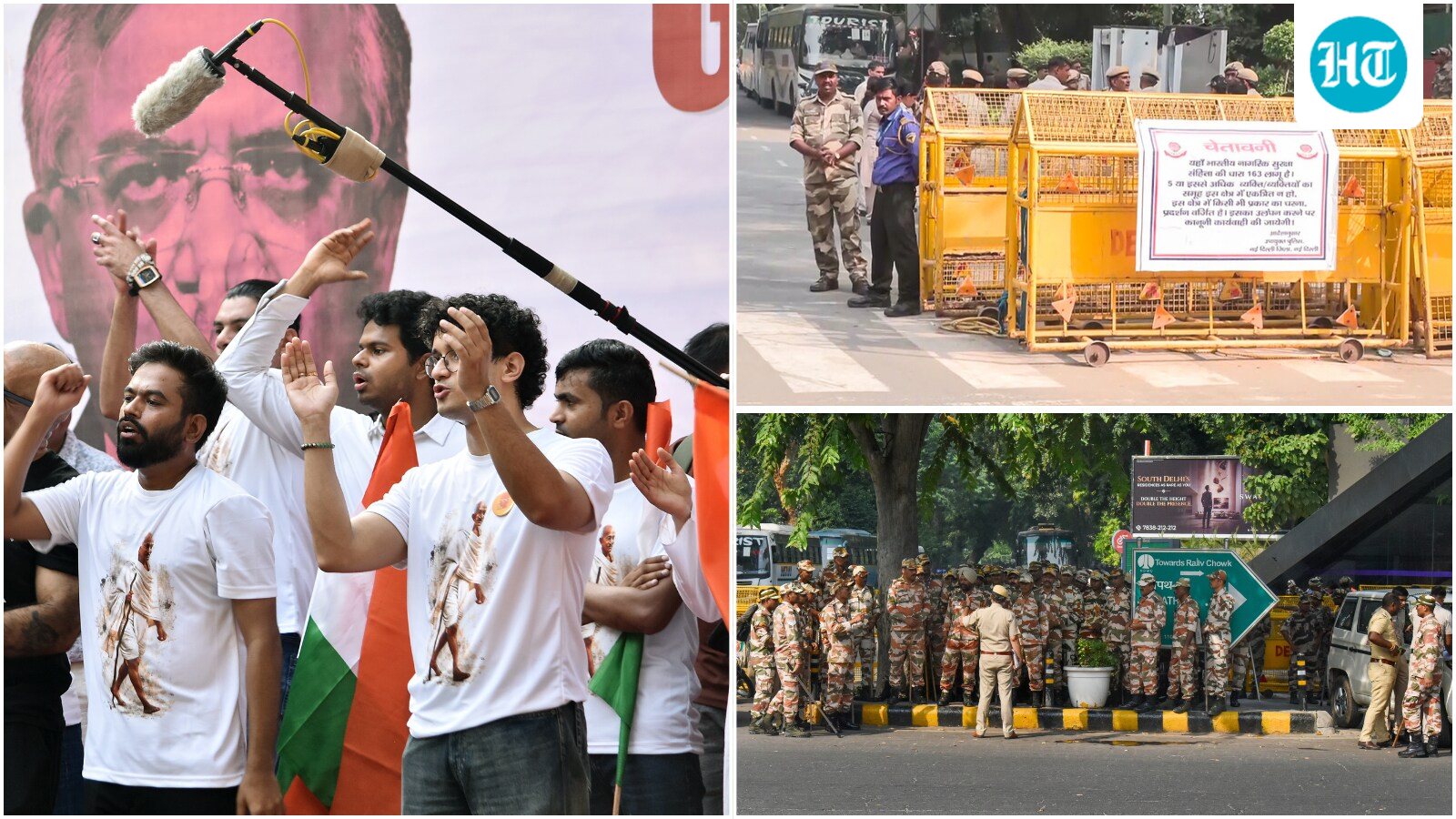
Delhi Police has denied permission to the Cockroach Janta Party (CJP) to hold a protest at Jantar Mantar on October 10, citing short notice, alleged violations during earlier demonstrations and concerns over public safety and law and order. The police also defended the restrictions imposed in New Delhi, saying they were necessary to prevent overcrowding and ensure the safety of protesters, residents and commuters.
In a letter dated October 9, addressed to CJP co-convener Saurav Das and joint secretary Balkrishna, the New Delhi district police said the group's communication submitted on October 7 was merely an intimation of the proposed protest and did not constitute a duly submitted application seeking permission.
The police said existing guidelines require applications for programmes at Jantar Mantar to be submitted at least 10 days before the intended date.
The police said the right to protest is a fundamental right but that granting permission also requires authorities to consider the rights of other citizens and residents.
It cited traffic congestion, safety concerns and the potential disruption of public life as reasons for regulating demonstrations.
Why Delhi Police is citing earlier protests
The police referred to the July protests at Jantar Mantar, saying permission had been granted for a one-day demonstration but that it continued for around a month. In its statement on X, the police said more than 200 personnel were injured during the protests and alleged that the participation of people with criminal antecedents contributed to the violence.
Hindustan Times reported on July 27, citing Delhi Police officials, that police had identified 2,873 people through CCTV footage linked to the July 20 march towards Parliament. Of these, 989 were found to have criminal antecedents, according to the officials.
The cases included murder, robbery, sexual assault and other offences. The police claims about the criminal antecedents of those identified were attributed to officials and should not be read as convictions.
The July 20 march saw clashes at several locations in central Delhi. An FIR accessed by HT alleged that protesters assaulted police personnel, damaged public property and attempted to breach Parliament security. The allegations formed part of the police account of the violence.
In its October 9 letter, Delhi Police said the continuation of an earlier CJP protest beyond the permitted hours had resulted in serious law and order problems and a deterioration in public order.
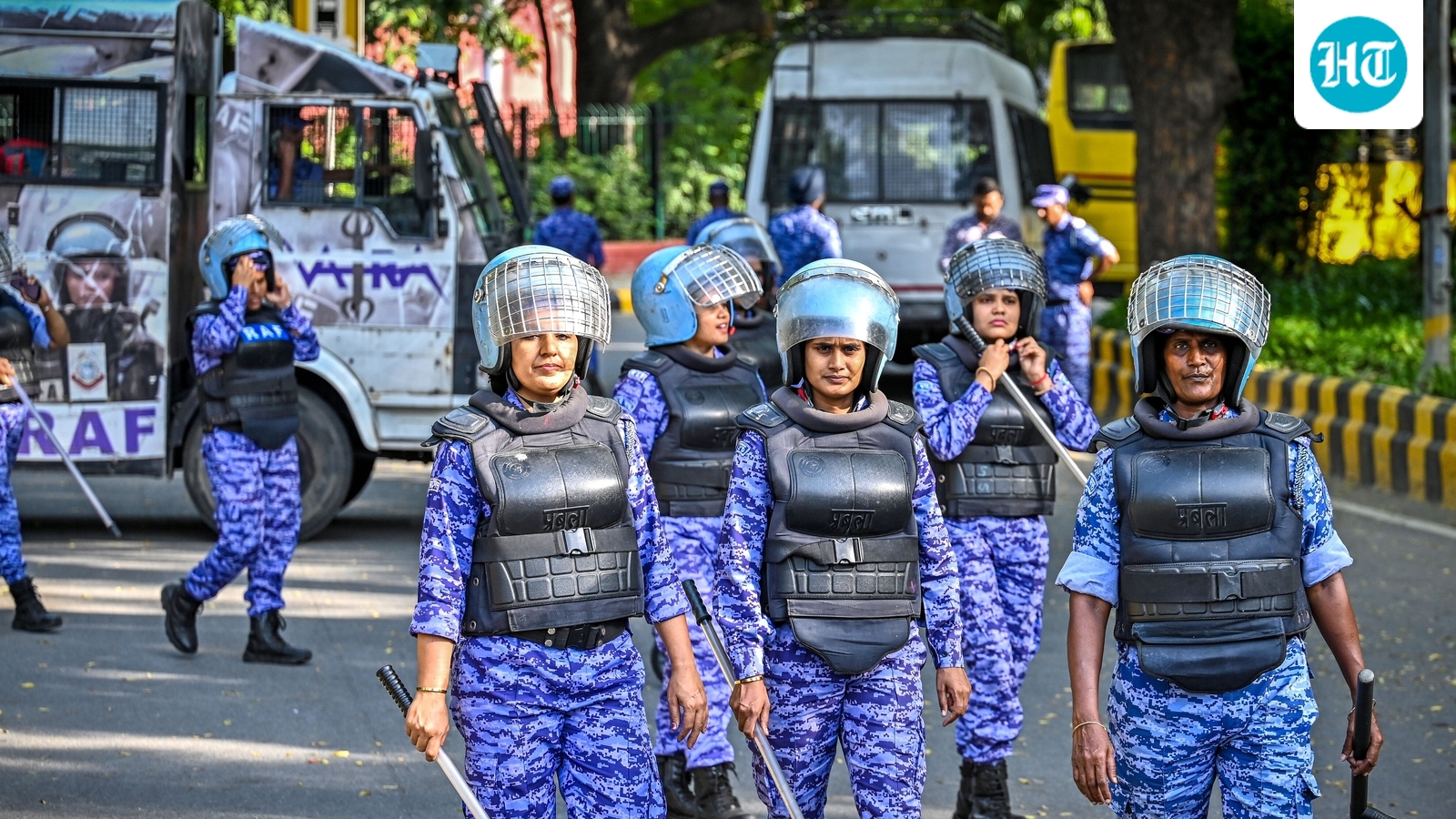
The police also claimed that women constables had been molested and assaulted by people protesting at Jantar Mantar during the previous week, describing the incidents as deeply troubling.
Also Read: Delhi Protest Highlights: 'Dragging President into controversy,' Govt sources refute Rahul's claim after meet over CEC
CJP had estimated 500-600 people for June protest
Documents submitted by CJP to Delhi Police show that the group had estimated a gathering of 500-600 people for its June 20 demonstration at Jantar Mantar.
In an application dated June 17, the group said the protest would be against alleged irregularities and paper leaks in competitive examinations, including NEET-UG and CBSE board examinations, and would demand the resignation of then Union education minister Dharmendra Pradhan.
The application specified a protest from 10 am to 5 pm and listed Sonam Wangchuk as a participant. The accompanying undertaking committed the organisers to maintaining order, deploying volunteers, following police directions and keeping the gathering within the permitted limit of 1,000 people.
Delhi Police granted permission for the June 20 demonstration, but the protest continued into June 21.
The eventual turnout of thousands, at the protests which lasted over a month, was also far greater than what CJP had sought permission for.
Police says Jantar Mantar can accommodate 1,000 people
In its statement on X, Delhi Police said Jantar Mantar could accommodate around 1,000 people at a time. It argued that authorities needed advance information about the number of expected participants to arrange traffic diversions, emergency access and safe crowd movement.
The police said Delhi's economic activity and daily life could not be brought to a halt every time a protest took place. It said the restrictions were temporary measures intended to regulate the movement of people, prevent overcrowding and protect protesters, residents, shopkeepers and others in the area.