US ties with India, Pakistan different in nature: Antony Blinken at HTLS 2026
Antony Blinken's remarks came against the backdrop of perceived closeness between President Donald Trump's administration and the Pakistani leadership | India News
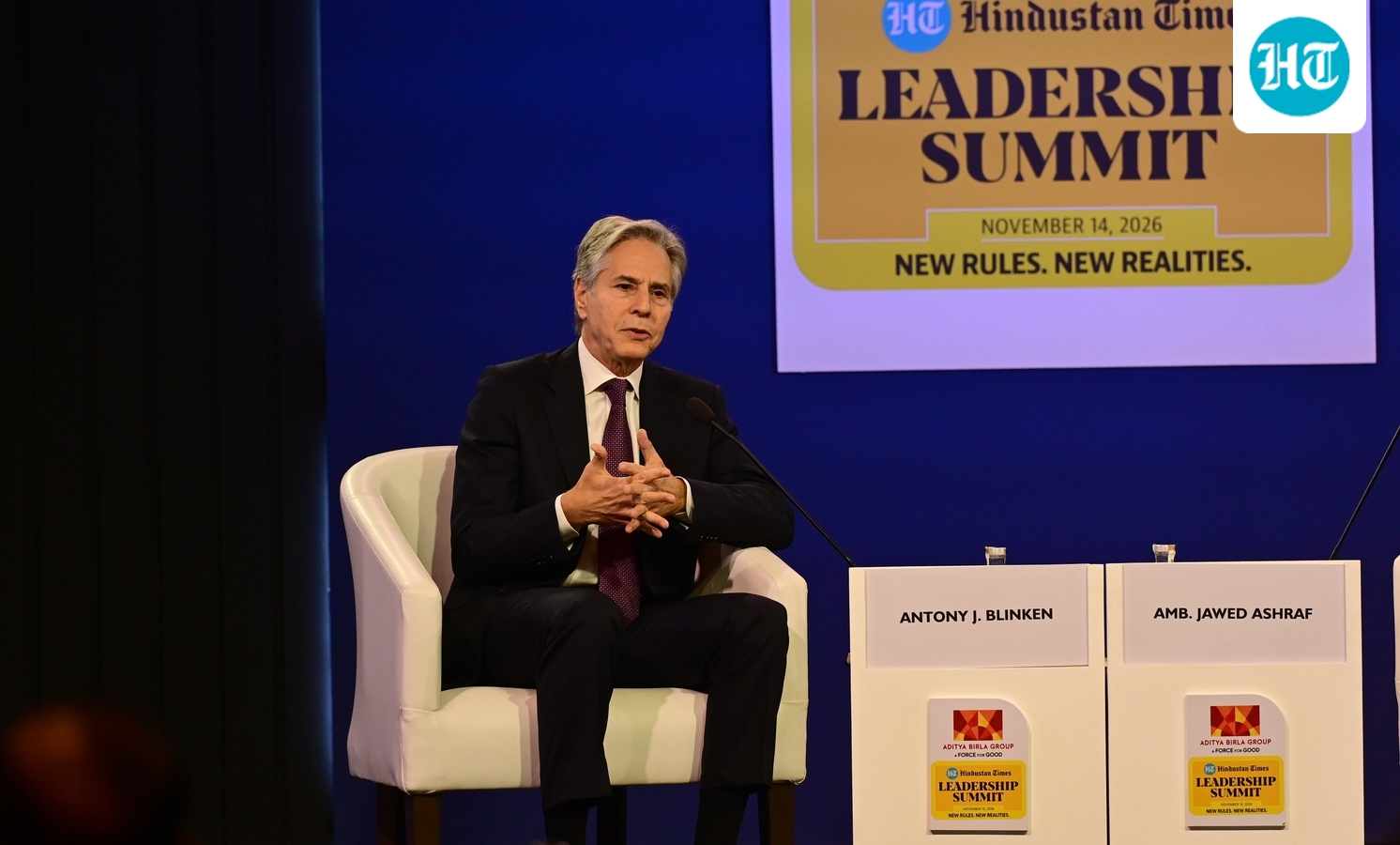
Antony Blinken's remarks came against the backdrop of perceived closeness between President Donald Trump's administration and the Pakistani leadership
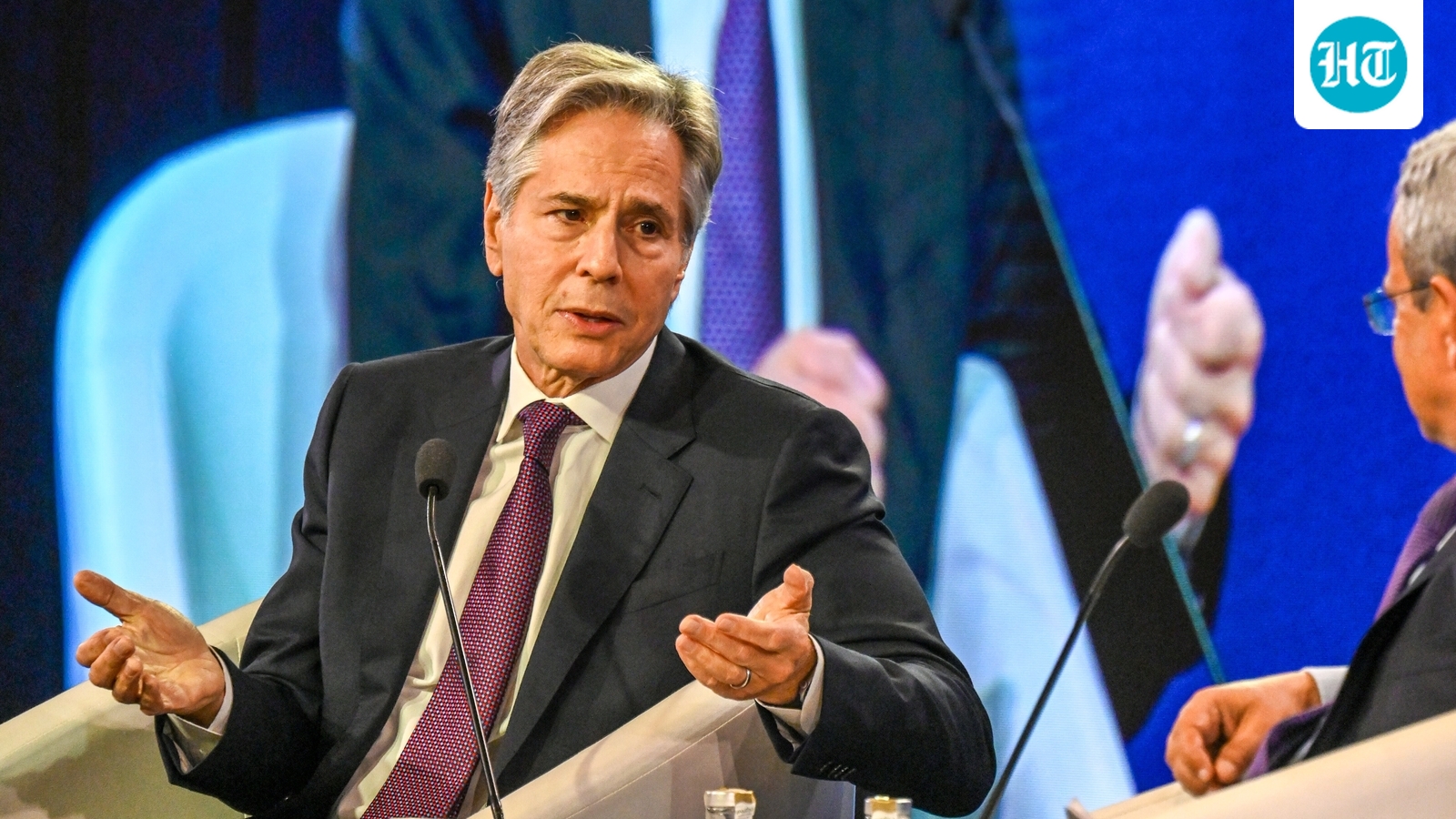
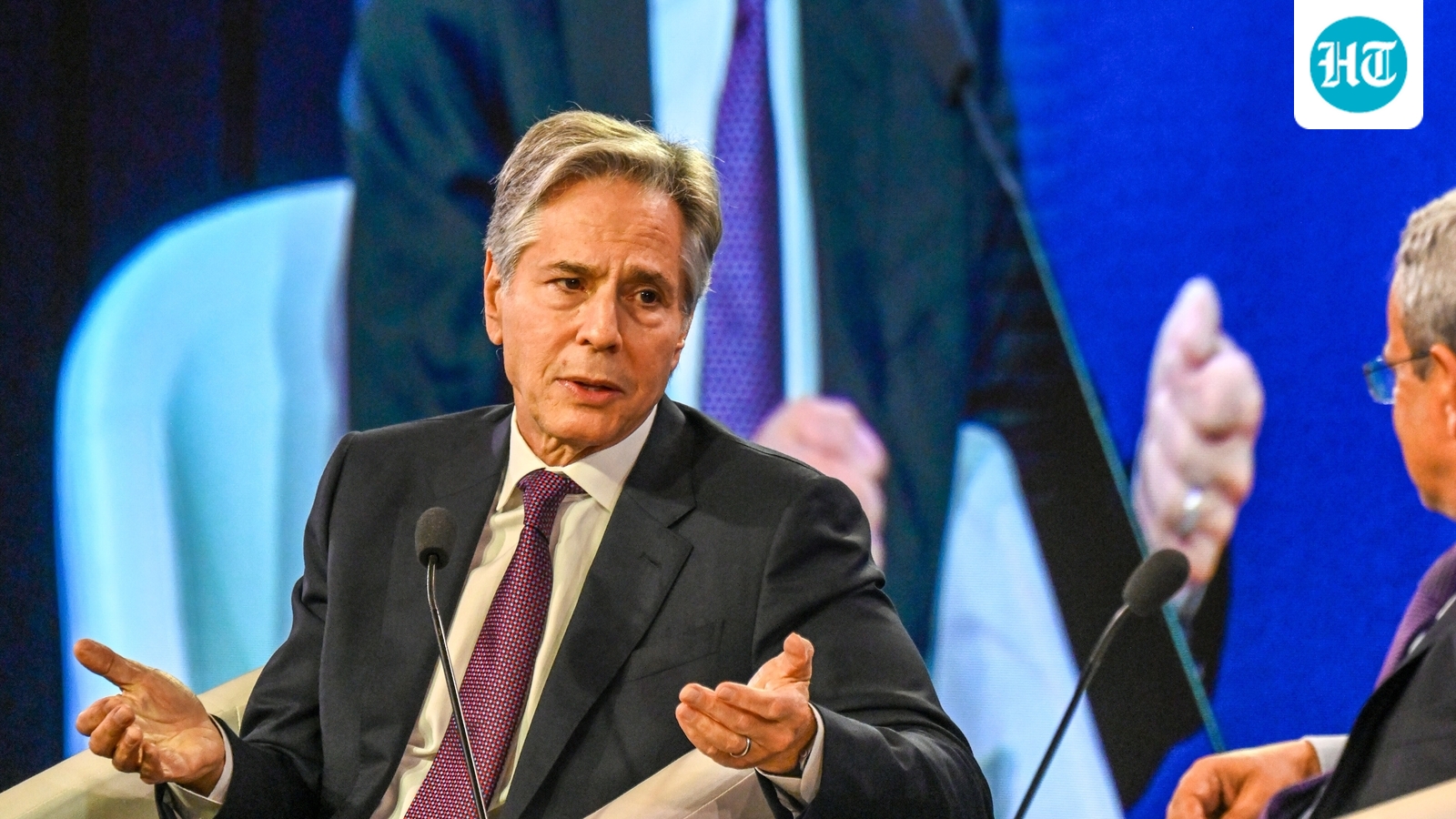
Washington's relations with New Delhi and Islamabad are fundamentally different, former US Secretary of State Antony Blinken said on Saturday, describing India as a "global force."
Speaking at the 24th Hindustan Times Leadership Summit (HTLS), Blinken acknowledged India's right to self-defence against terrorist threats while backing diplomatic efforts to prevent regional escalation. Follow HT Leadership Summit 2026 LIVE updates
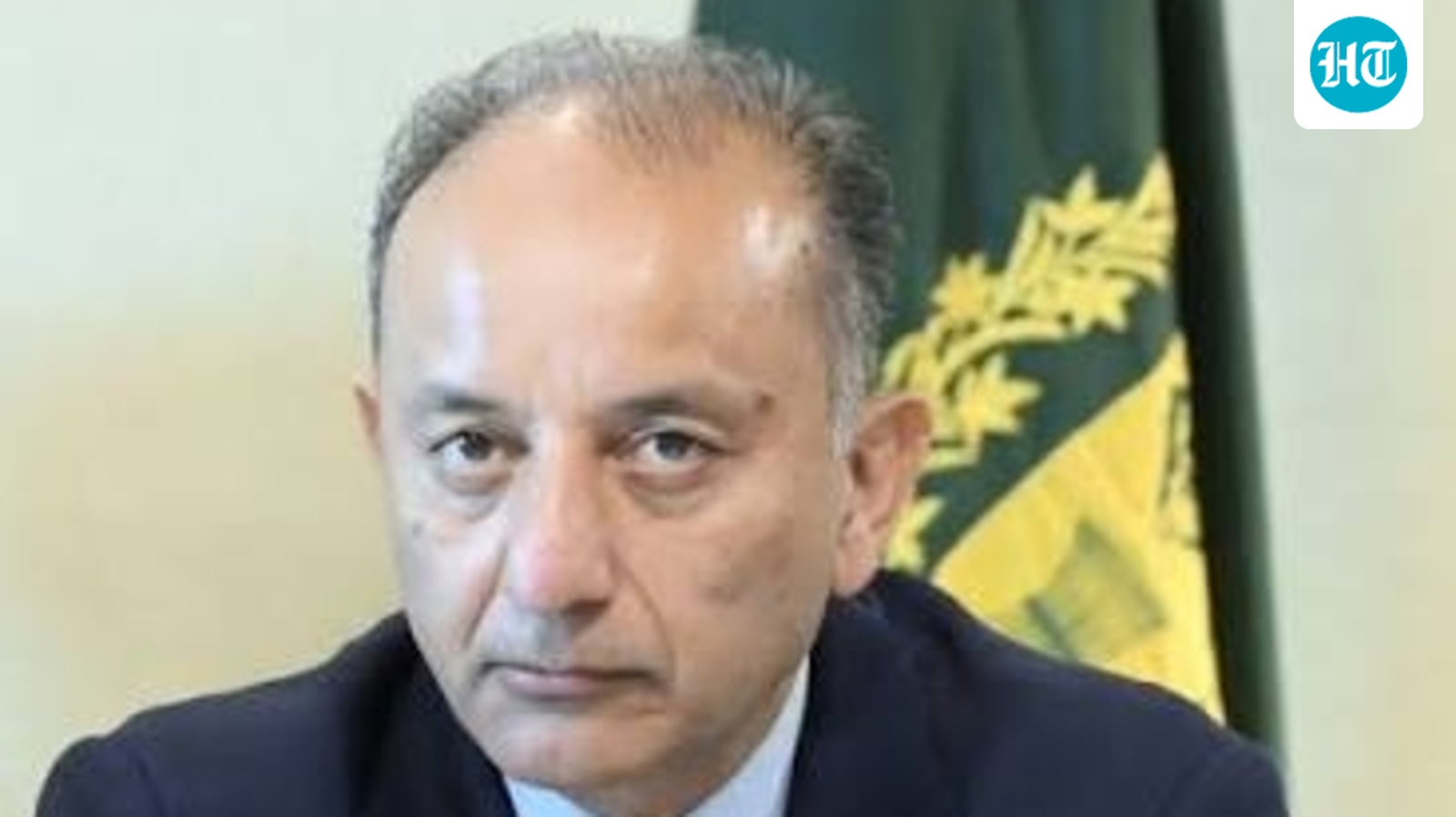
"Our relationship, our interests, the things that we are working on together—the places where we sometimes have differences are really global in nature," he said during a conversation with Ambassador Jawed Ashraf, chairman of the India Trade Promotion Organisation (ITPO).
By contrast, Blinken characterised America's ties with Pakistan as “regional”.
There are still going to be, you know, important areas where we need to do things with them— for example, when it comes to counterterrorism," said Blinken, who was the top US diplomat from 2021 to 2025 under then President Joe Biden.
His remarks come against the backdrop of perceived closeness between President Donald Trump's administration and Pakistani leadership. Trump has claimed he brokered a ceasefire between India and Pakistan following four days of fighting in May 2025, prompting Islamabad to recommend him for the Nobel Peace Prize. New Delhi, however, has maintained that Islamabad requested the ceasefire.
ALSO READ | India-US ties ‘essential’ to this century, but Washington must not expect India to follow it: Former Secretary of State Antony Blinken at HTLS
Reflecting on the history of US-Pakistan relations, Blinken pointed to Washington's past reliance on Islamabad during both the Cold War and the post-9/11 war in Afghanistan. During the 1980s Soviet-Afghan war, the US gave arms to Afghan fighters through Pakistan against Soviet forces. Following the September 11 attacks by al-Qaeda, Washington again turned to Pakistan for support in Afghanistan. On both occasions, the US extended military and financial aid to Islamabad.
Blinken also suggested that, against such a backdrop, the US may have dealt with Pakistan with "less of a critical hand", including on matters of civil-military balance. He added, however, that it was not for the US to decide on behalf of Pakistani citizens about their society and power structure.
"We can be very supportive, but these are fundamentally decisions that Pakistanis make," he said of the country, which is no stranger to military rule.
Blinken also backed a "zero-tolerance policy on terrorism".
"And that means we have to have respect for, of course, India's right to defend itself, to support when it's attacked..." he said.
In the same breath, he stressed the "diplomatic efforts that go into dealing with these challenges", and the need to prevent escalation "given the obvious fact that the weaponry that each possesses would be so dangerous not only to each country but potentially to countries far beyond"—a reference to India and Pakistan's nuclear arsenals.