30 years later, a former gang member will stand trial for Tupac's murder
It’s been three decades since Tupac was killed, and since then, his reputation has only grown.
It's been three decades filled with mystery, conspiracies - and anger.
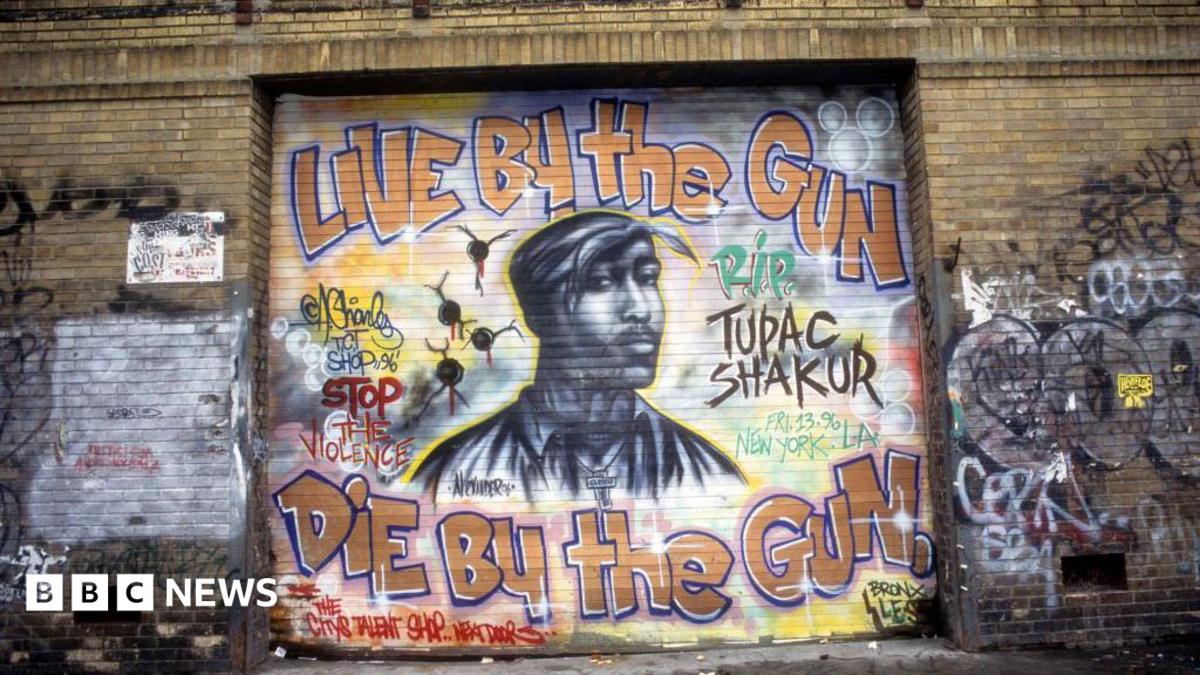
The drive-by shooting that killed rap superstar Tupac Shakur on 7 September 1996 changed the trajectory of hip-hop and elevated the rapper from the face of the genre to a cultural icon.
His killing became one of popular culture's great mysteries, with countless theories but no arrests until 2023, when Duane "Keffe D" Davis was unexpectedly charged with murdering the famous rapper.
The 63-year-old former gang boss is due to stand trial in Las Vegas, where he is accused of murder with a deadly weapon with the intent to promote, further or assist a criminal gang. He's pleaded not guilty. If convicted, he faces life in prison without parole.
The trial is likely to unravel the intricacies of the bitter and deadly East Coast vs West Coast rap rivalries and turf wars between the Bloods and the Crips street gangs that were immortalised in rap lyrics and news reports in the 1990s.
It could also include several celebrity witnesses - including Suge Knight, the former CEO of Death Row Records, who has been thought of as the last surviving witness to Shakur's death.
But the complicated case hinges almost exclusively on one key piece of evidence: a book co-authored by Davis that he has argued is partially a piece of fiction.
Jury selection in the case began on Monday, with opening arguments due to start on 17 August.
To understand how the case became so mythologised, you have to go back to rivalries that grew larger than the men at its centre.
In the Los Angeles gang landscape of the 1990s, there was a vicious turf war between the Bloods, often represented by the colour red, and Crips, who often wore blue.
But that territorial dispute spread through the airwaves as part of a bigger national rivalry - East Coast v West Coast rap. The genre dispute was represented by two rival record companies that defined 1990s hip-hop: Knight's Death Row Records and Sean "Diddy" Combs' Bad Boy Records.
"The funny thing about it is Tupac is actually an East Coast rapper," said Jeff Pearlman, author of Only God Can Judge Me: The Many Lives of Tupac Shakur.
Born in New York City, Tupac moved to northern California as a teenager. He became known as a southern California rapper after signing with Death Row Records, which included acts like Snoop Dogg and Dr Dre.
Santi Elijah Holley, author of An Amerikan Family: The Shakurs and the Nation They Created, says the Death Row persona never told the whole story.
Tupac's mother Afeni was a Black Panther and he grew up around the black liberation movement. Holley says his music became his politics: "His activism was his art, his lyrics."
He acted in a number of Hollywood movies, and released hip-hop's first double album, All Eyez on Me, which sold over 5,000,000 copies.
That album, which debuted months before his death, cemented his place in the cannon of gangsta rap, a genre that celebrated the violent life of street criminals and drug dealers.
After he was shot in Las Vegas on 7 September 1996, he became immortalised as a kind of martyr for the lifestyle he helped make famous.
That fatal night began when Tupac and Knight attended a boxing match between Mike Tyson and Bruce Seldon at the MGM Grand.
After the match, surveillance footage captured Tupac and members of his entourage, who police have said were associated the Mob Piru Bloods street gang, attacking a man named Orlando Anderson, an alleged member of the South Side Compton Crips.
About three hours after the attack, Tupac was riding in the passenger seat of Knight's BMW driving through Las Vegas when a white Cadillac pulled alongside them and opened fire.
Tupac was hit four times and died six days later.
For nearly three decades, the killing remained one of America's most famous unsolved murders. There is no single explanation why.
Las Vegas police have long said witnesses refused to co-operate. Members of Tupac's entourage said police initially treated them like suspects and failed to follow important leads.
Within weeks of the shooting, investigators had identified Anderson from the MGM footage and questioned him.
He denied involvement and was never charged; he was killed in an unrelated shooting in 1998.
Over the years, police say they pursued thousands of tips, but the case stalled amid disappearing witnesses, many of whom were also killed in gang-related shootings, limited physical evidence, and a street code that forbade co-operation with police.
It was years later when Anderson's uncle, Davis, started talking and according to police, blew the case wide open again.


