Bar on pre-arrest bail for accused in minor rape cases not absolute, says Mumbai HC
Section 482(4) says the remedy of anticipatory bail shall not be available to persons accused of having committed offences punishable under Sections 65 or 70(2) of the BNS. | India News
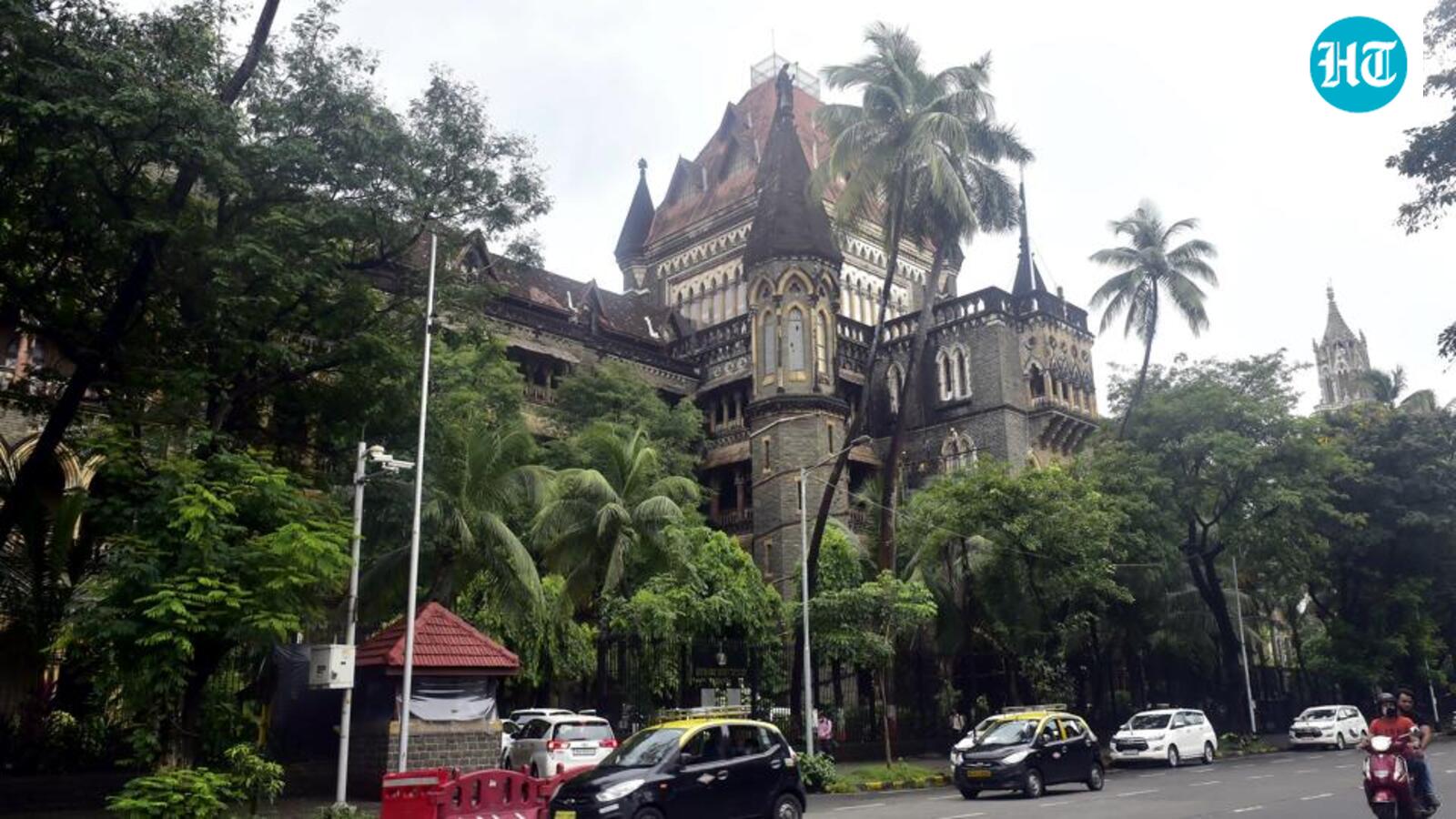
Section 482(4) says the remedy of anticipatory bail shall not be available to persons accused of having committed offences punishable under Sections 65 or 70(2) of the BNS.
A statutory restriction on granting pre-arrest bail to individuals accused of raping minors is not an absolute prohibition, the Bombay high court said on Wednesday, leaving open a narrow legal avenue for judicial review in cases lacking initial evidence.
Justice MM Nerlikar said Section 482(4) of the Bharatiya Nagrik Suraksha Sanhita (BNSS) does not impose an absolute bar on granting anticipatory bail to persons accused of raping girl below 16 years of age or gang-raping a minor girl.
The bench said the prohibition applies only when a prima facie case is made for the offences punishable under Sections 65 (rape of girl below 16 years of age) or 70(2) (gang rape of minor girl) of the Bharatiya Nyaya Sanhita (BNS).
Section 482(4) says the remedy of anticipatory bail shall not be available to persons accused of having committed offences punishable under Sections 65 or 70(2) of the BNS.
The high court said whether such a case was made out or not would depend on the facts and circumstances of each case, but the court was not expected to indulge in critical analysis of the material on record, thus leaving a “very small window” for the accused persons to claim anticipatory bail, the bench said.
“If, on examining the facts, the ingredients of the alleged offence are found to be satisfied, then the application for anticipatory bail would not be maintainable,” the court said on a separate pre-arrest bail pleas by two labourers accused of raping minors.
They had approached the high court after district courts rejected their anticipatory bail applications in view of the bar imposed by the BNSS provision.
Advocate DJ Sharma, who appeared for the accused, reasoned that the bar could not be considered absolute; otherwise, the accused would be left remediless even if false allegations are made against them.
In support of his submissions, the lawyer relied upon Supreme Court’s interpretations on similar restrictions imposed by the Scheduled Castes and Scheduled Tribes (Prevention of Atrocities) Act, 1989, the Terrorist and Disruptive Activities (Prevention) Act, 1987 and the Unlawful Activities (Prevention) Act, 1967, in which the top court ruled that the restrictions didnt completely exclude jurisdiction of the court, if no prima facie case was made out.
The government lawyer and the lawyer appointed by the court for the survivors strenuously opposed the pleas, contending that the section’s wording was clear and required strict construction. They pointed out that the section was originally added to the Criminal Procedure Code by way of an amendment in 2018 to give enhanced protection to minors, responding to brutal incidents of rape and gang rape of young girls.
The court accepted the arguments advanced on behalf of the accused persons in view of the Supreme Court’s interpretation of similar statutory restrictions.
Justice Nerlikar, however, cautioned that the courts should not start enlarging the scope by entertaining the applications on merits by examining all the grounds available in ordinary anticipatory bail applications; otherwise the very purpose of introducing the statutory restriction “would be frustrated and it would destroy the intent of the legislature.”
Kanchan Chaudhari, an Associate Editor at Hindustan Times, I have covered courts in Mumbai, principally the Bombay High Court. Since the past four years, I am heading the Crime and Courts team at Hindustan Times, Mumbai.Read More