Imran Khan told to leave India: The immigration law and the rules for OCI cardholders
Imran Khan was detained at a protest against the chief election commissioner in Mumbai days before the notice. What the notice says and what courts have said | HT Explainers

Imran Khan was detained at a protest against the chief election commissioner in Mumbai days before the notice. What the notice says and what courts have said
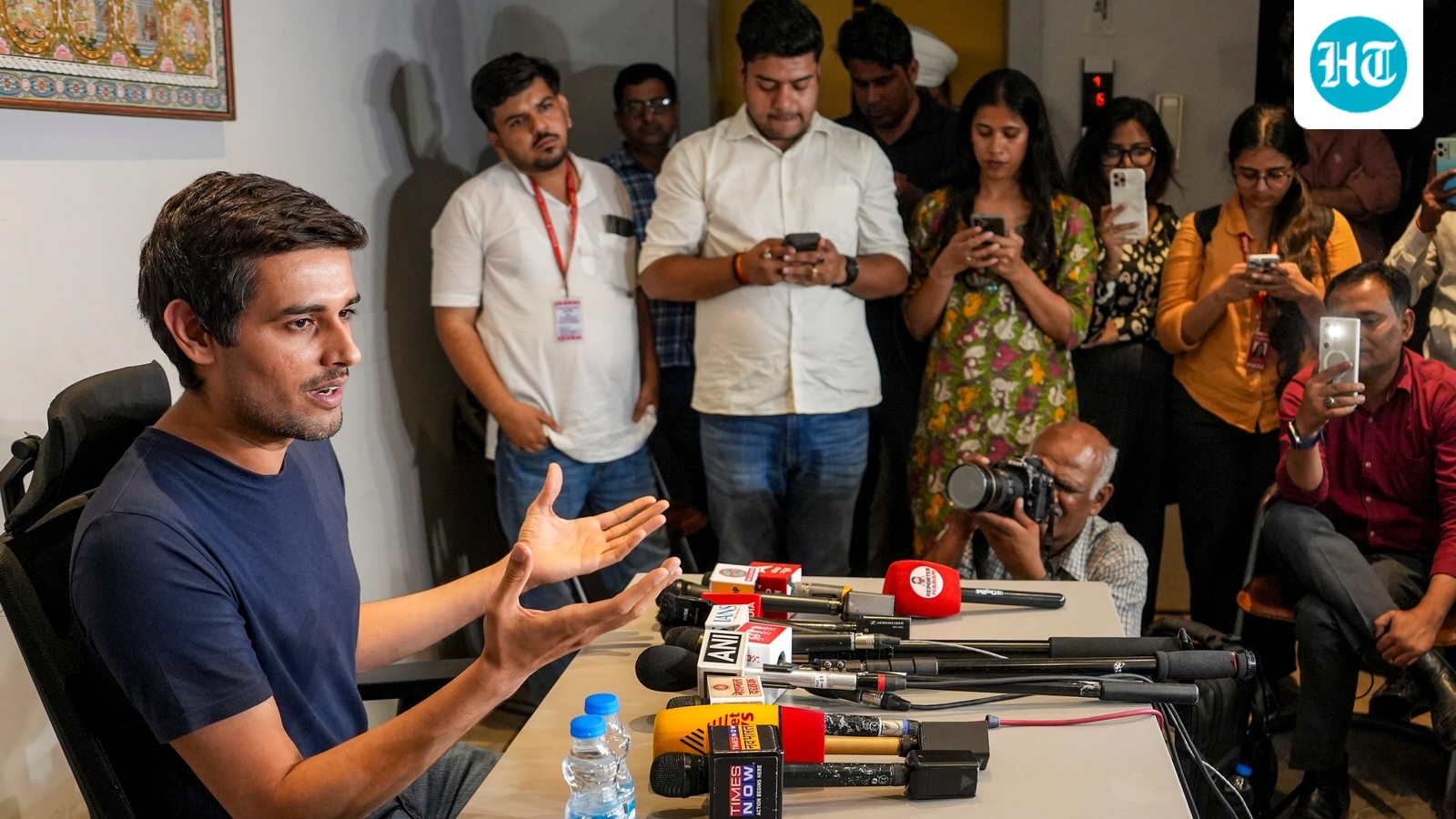
Bollywood actor Imran Khan, a US national, has been ordered to leave India by October 28 under a law that lets the government tell any foreigner he "shall not remain in India", an order his lawyer has said will be challenged in the Bombay high court.
The Foreigners Regional Registration Officer (FRRO) in Mumbai issued the notice, dated October 14, four days after police briefly detained Khan at a protest in Mumbai demanding the resignation of Chief Election Commissioner Gyanesh Kumar. A former BJP MP had complained to Mumbai Police about his participation, PTI reported.
Khan received the notice on Thursday, said his counsel Parvez Memon.
Also read: Imran Khan to move Bombay High Court after getting notice to leave the country, says actor's lawyer
Two laws bear on cases like Khan's. The 2025 immigration law lets the government and authorised officials order any foreigner out of the country. The Citizenship Act, 1955 lays out separate rules for holders of an Overseas Citizen of India (OCI) card, a status open to foreign nationals of Indian origin.
The notice, issued on the letterhead of the Bureau of Immigration, says Khan has "contravened the provisions of the Immigration and Foreigners Act, 2025 and the Rules and Orders made thereunder".
It cites two sections of the Act as its authority: Section 7, which lets the government order a foreigner to leave, and Section 29, which lets it remove one.
The notice orders that Khan "shall not remain in India and shall depart from India on or before 28.10.2026".
Also read: ‘US national, liable for prosecution’: Inside ‘leave India’ notice to Bollywood actor Imran Khan
It warns that non-compliance "will render you liable for prosecution under the relevant sections" of the Act.
The notice describes Khan as a "United States of America national". PTI reported that Khan also holds an OCI card; HT could not independently verify this.
The card is open to foreign citizens of Indian origin and to foreign spouses of Indian citizens or cardholders. A 2021 Union home ministry notification says that a cardholder "is a foreign national holding passport of a foreign country and is not a citizen of India".
Also read: 'Mary Millben can speak, Imran Khan can't': Dipke after actor asked to leave India by Oct 28
The card permits multiple-entry lifelong visa for visiting India "for any purpose". It puts holders on par with Indian citizens or non-resident Indians (NRIs) on domestic airfares, monument entry fees, buying property other than farmland, and practising professions such as medicine and law.
Some activities still need special permission. This includes research, missionary or Tabligh (Islamic preaching) work, mountaineering, journalism, work at foreign missions and visits to protected areas.
Cardholders cannot vote, contest elections or hold most government jobs, and cannot become president, vice-president or a judge of the Supreme Court or a high court.
The power to order a foreigner out
The Immigration and Foreigners Act, 2025, came into force on September 1, 2025, replacing the Foreigners Act, 1946, along with three other laws.
It simply defines a foreigner as “a person who is not a citizen of India”.
Section 7 gives the central government wide control over a foreigner's presence in India. Through an order covering all foreigners, a group of them or one person, it can restrict where foreigners go and what they do, or tell them to leave.
The order in Khan's notice is one of those the section lists. An order can also bar a foreigner "from engaging in activities of a specified description".
A police official told PTI: "Under relevant provisions of the Foreigners/Immigration Act, foreign nationals are prohibited from participating in political protests or political activities on Indian soil."
The Immigration and Foreigners Order, 2025, issued under the Act, has a chapter titled 'Restrictions on certain activities of foreigners'. It covers where foreigners live and travel, whom they associate with and what they possess; employment, a limit that does not apply to OCI cardholders; producing films and web shows for public screening; and mountaineering.
Neither the Act nor the Order explicitly prohibits foreign nationals from taking part in protests or political activity.
Who can order a foreigner to leave?
Section 28 lets the Centre delegate these powers. A home ministry notification of September 1, 2025, gave the powers to order a foreigner out to every state and Union territory government, to the chief of the Bureau of Immigration, and to FRROs and foreigners registration officers, the officials who register and track foreign nationals. The Centre can modify or cancel any order they issue.