In Gujarat, a parallel genomics push: Help athletes, tribals
Gujarat’s sports genomics programme will run parallel to the ongoing tribal genome project, which has already sequenced 100 whole genomes. | India News
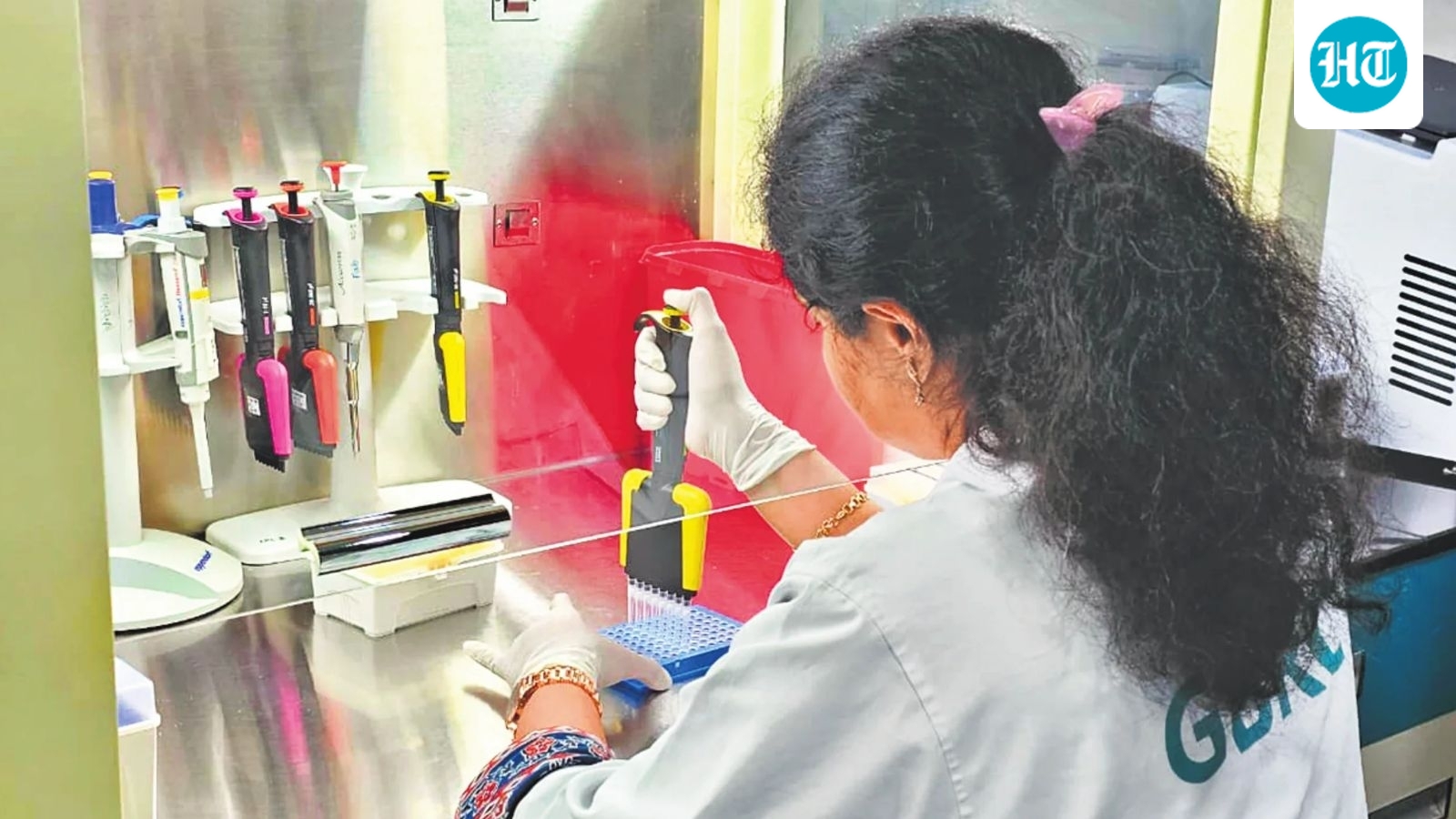
Gujarat’s sports genomics programme will run parallel to the ongoing tribal genome project, which has already sequenced 100 whole genomes.
Gujarat has begun collecting DNA samples from athletes for a sports genomics project aimed at improving performance and managing injuries, decades after a government programme sought to develop elite athletes from the Siddi community due to their African ancestry but failed.
Gujarat’s sports genomics programme (SGP) will run parallel to the ongoing tribal genome project, which has already sequenced 100 whole genomes, making it the first such government-led effort in India. It also comes roughly four years ahead of the Commonwealth Games in 2030 in Ahmedabad.
“For the first time in the country, a state government is undertaking such genomic initiatives in both tribal health and sports,” science and technology minister Arjun Modhwadia said.
Also Read | Manu Bhaker leads India's shooting charge at Asian Games, carrying form and resilience into another major test
“While the Tribal Genome Project will create a reference genome database for Gujarat’s tribal population, the Sports Genomics Programme will study athletes’ genetic profiles along with their physiological and performance data,” Modhwadia added.
The projects are being implemented by the Gujarat Biotechnology Research Centre (GBRC) under the science and technology department, and seek to use genomic data for athlete development and population-specific healthcare.
The first samples collected were from tennis players affiliated with the Gujarat State Tennis Association (GSTA). The next batch will cover athletes in archery, fencing, judo and shooting from the Vijayi Bharat Foundation, Modhwadia said, adding that 2,000 samples will be collected this year. The programme has been allocated ₹26.05 crore for five years. GBRC will lead the genomic work in coordination with the Sports Authority of Gujarat, while the sampling strategy and participating sports were being finalised with the sports authority.
Sports genomics is an emerging field that studies the relationship between genetic variations and athletic characteristics such as muscle composition, endurance, metabolism, exercise response, recovery and injury susceptibility.
“Researchers will also try to identify and validate genetic markers linked to athletic performance and sports injuries,” said Snehal Bagatharia, director, GBRC.
Over five years, the programme aims to collect around 10,000 samples across nearly two-dozen disciplines including athletics, swimming, boxing, wrestling, judo, and gymnastics. It will cover athletes below 14, those aged 14 to under 18, and those above 18, with state and national champions prioritised, said officials.
To be sure, the science backing the initiative is sketchy.
A 2023 review in the scientific journal Genes by Ekaterina A. Semenova, Elliott CR Hall and Ildus I. Ahmetov –– researchers working in sports genetics, molecular genetics and exercise science in Russia and the UK –– identified 251 DNA markers that had been linked to athlete status.
However, only 128 of those markers had shown the same association in at least two studies. In other words, many of the reported links between genetic variations and athletic ability have not been consistently confirmed.
“It should be appreciated, however, that elite performance still cannot be predicted well using only genetic testing,” the authors wrote.
In addition, the Gujarat programme proposes to include athletes below 14 and those aged between 14 and 18, creating yet another controversy. A 2015 consensus statement published in the British Journal of Sports Medicine said there was no evidence to support the use of genetic tests for identifying sporting talent or prescribing individualised training.
The Gujarat Athlete Genome Database (GAGD), which will combine genomic, physiological and performance data, could eventually inform personalised training, nutrition and recovery strategies, Bagatharia added. The programme recognises that sporting performance is not determined by genetics alone and that training, coaching, nutrition, infrastructure, social support and other environmental factors also play important roles, he said.
Gujarat has produced champions across sports but is yet to build the depth of talent seen in Haryana and Punjab. At the Khelo India Youth Games in 2025, Gujarat won 13 medals, compared to 117 for Haryana and 47 for Punjab.
At the 2026 Commonwealth Games in Glasgow, athletes from Haryana won 11, including seven of India’s 13 golds. Gujarat won none of India’s 39 medals at the tournament.