PM Modi to visit Philippines for Asean-India Summit, East Asia Summit
Prime Minister Narendra Modi will visit the Philippines on November 16 for the Asean-India Summit and East Asia Summit, with trade, maritime security and regional stability on the agenda. | India News
Prime Minister Narendra Modi will visit the Philippines on November 16 for the Asean-India Summit and East Asia Summit, with trade, maritime security and regional stability on the agenda.
Prime Minister Narendra Modi’s engagements with leaders of the Association of Southeast Asian Nations (Asean) and other countries in the Philippines next week will be crucial for bolstering trade and building resilience amid rapid geopolitical changes, the external affairs ministry said on Thursday.
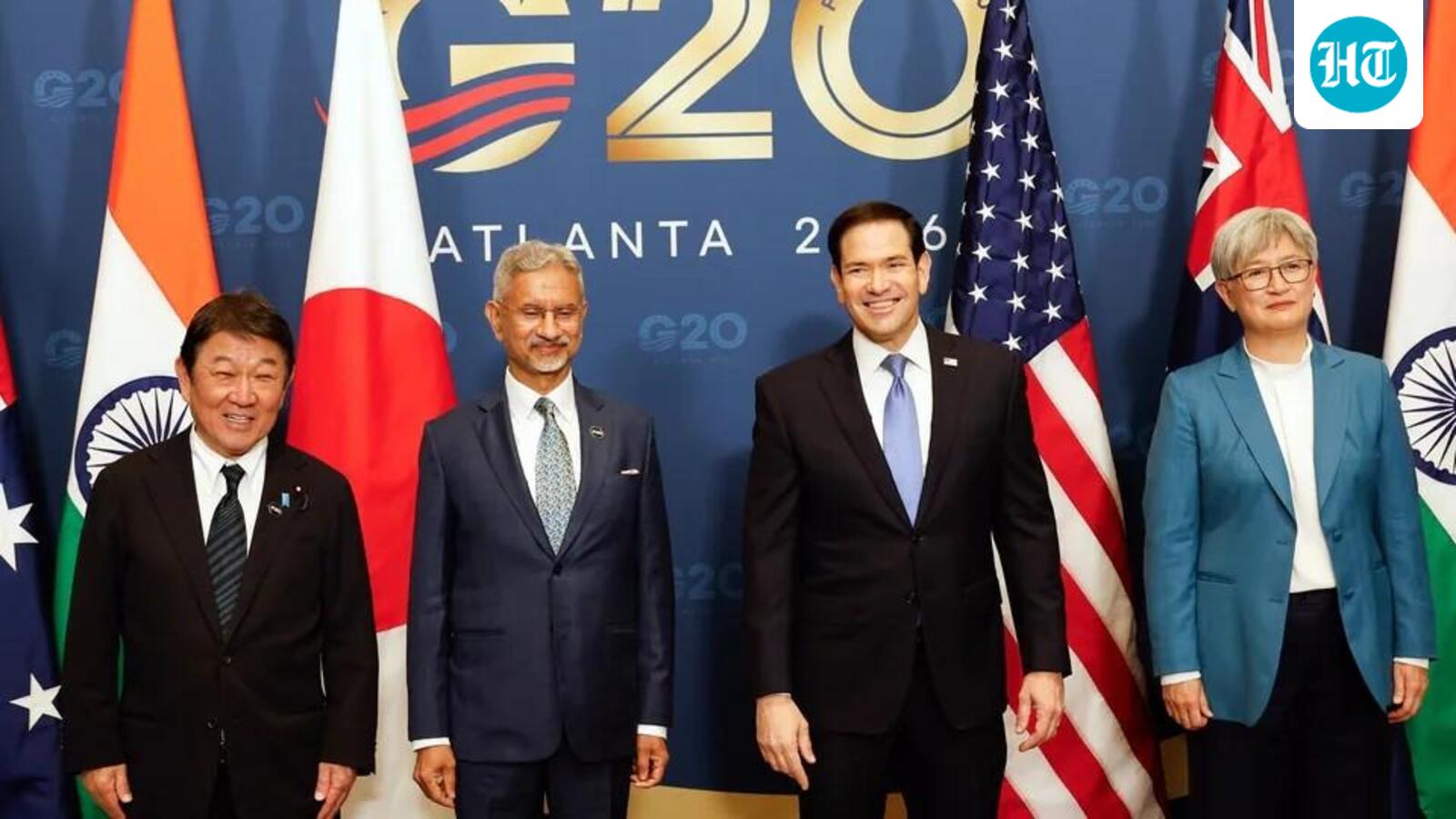
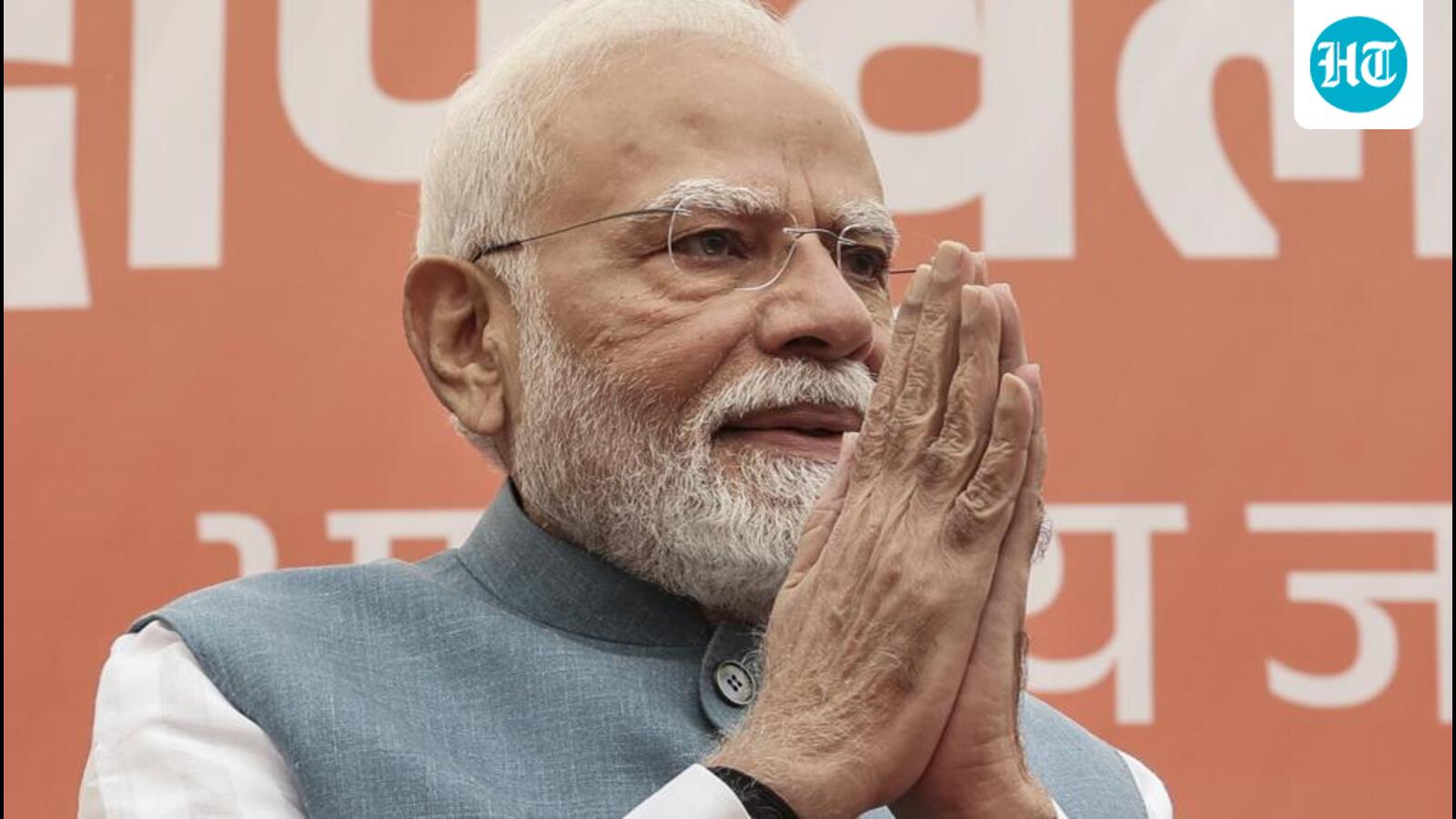
Modi will travel to Manila on November 16 to participate in the Asean-India Summit and the East Asia Summit the following day, on the margins of the Asean Summit being hosted by the Philippines. He is also expected to join the leaders of Australia, Japan and the US for a Quad Leaders’ Summit and hold several bilateral meetings.
Asean has emerged as a central pillar of India’s Act East policy and vision for the Indo-Pacific, and Rudrendra Tandon, secretary (East) in the external affairs ministry, told a media briefing that the 11-member bloc serves as a “locomotive for peace, stability and economic prosperity”. Annual trade between India and Asean member states is worth about $122 billion.
“India strongly believes that as an Indian Ocean country that abuts this very important Southeast Asian maritime zone, a strong strategic relationship with Asean member states, as a collective as well as individually, is good for both of us,” Tandon said.
“It will make us more resilient to handle the very rapid geopolitical changes that are taking place around us. It will also contribute to peace and stability in Asia as a whole.”
Tandon highlighted the importance of maritime cooperation with Asean member states, especially for coordinated patrolling and maritime domain awareness, in order to counter problems such as piracy and illegal, unreported and unregulated (IUU) fishing. India can also offer training and other assistance to bolster the maritime capabilities of Asean member states, he said.
At the same time, India has developed strong defence cooperation with several Asean member states, he said, pointing to the deal finalised with the Philippines for supplying BrahMos cruise missiles.
In the context of trade with the Southeast Asian bloc, Tandon said New Delhi wants the review of the Asean-India Trade in Goods Agreement (AITIGA) to be completed “as soon as possible”. India is also engaged in discussions with individual Asean member states for trade facilitation and trade agreements to open up new opportunities, he said.
Tandon acknowledged that the review of AITIGA is a “difficult” process as it involves developing consensus with all Asean member states. AITIGA entered into force in 2010 and the review began six years ago, largely because of India’s concerns about a trade imbalance due to imports of more than $80 billion from Asean member states.
Asked about India’s position on dealing with the situation in Myanmar, Tandon said: “We have always said that isolating Myanmar is not the right approach because if we do, someone else will fill that vacuum. There is no alternative to engagement.”
India strongly supports Asean initiatives to engage the Myanmar government, while taking into account the country’s complex history and society. “Patience and consistency in engagement is very important,” Tandon said.
Rezaul Hasan Laskar is Foreign Editor with the Hindustan Times, which he joined in 2015. He began as a journalist in his hometown of Shillong in northeast India and has worked in newspapers and wire services over the years. He moved to New Delhi in 1997 and initially focused on defence, national security, Jammu and Kashmir and the northeast, while also working of foreign policy and international relations. He has been part of the media delegation accompanying PMs on foreign visits and has reported from destinations ranging from Tibet to Ukraine. Between 2007 and 2013, he was the Press Trust of India correspondent in Pakistan, one of only two Indian journalists allowed to report from the country. He extensively covered Pakistan’s domestic politics and the life of the common people, as well as the fallout of the 2008 Mumbai attacks on India-Pakistan relations and the subsequent trial in Pakistan of the suspects involved in the attack. As part of his reportage in Pakistan, he travelled the breadth of the country, from the Swat Valley to Balochistan. Reza’s first gig in journalism was writing a weekly music column, and music – especially classic rock – remains a keen interest. He is also a movie buff and a keen photographer.Read More