Protests kept 2.6 million commuters off Metro; 258 stations fully operational: DMRC tells SC
The clarification comes amid contempt proceedings initiated by the top court over restrictions imposed on Metro and railway services | India News
The clarification comes amid contempt proceedings initiated by the top court over restrictions imposed on Metro and railway services
The Delhi Metro Rail Corporation (DMRC) on Wednesday told the Supreme Court that the October 10 protests against chief election commissioner Gyanesh Kumar had an adverse impact on the lives of ordinary citizens, with ridership falling by nearly 45% as many commuters chose not to travel, even as all scheduled train services continued to operate.
In an affidavit filed, a day before the matter is scheduled to be heard, the DMRC said around 3.2 million passengers travelled on its network on October 10, against approximately 5.8 million on a normal second Saturday. It attributed the sharp decline to the protests, which it said appeared to have prompted people to forego their usual daily activities, including attending work or conducting business.
The affidavit, filed in response to the Supreme Court’s directions on October 9, seeks to counter allegations that public transport was shut down in defiance of the court’s order. The corporation maintained that there was no reduction in the number of Metro train trips on the day, with 271 trains inducted into service and all 4,157 scheduled trips operated across the network.
The clarification comes amid contempt proceedings initiated by the top court over restrictions imposed on Metro and railway services ahead of the protest at Jantar Mantar, called by the Cockroach Janta Party (CJP) to demand Gyanesh Kumar’s resignation over alleged irregularities in the revision of electoral rolls.
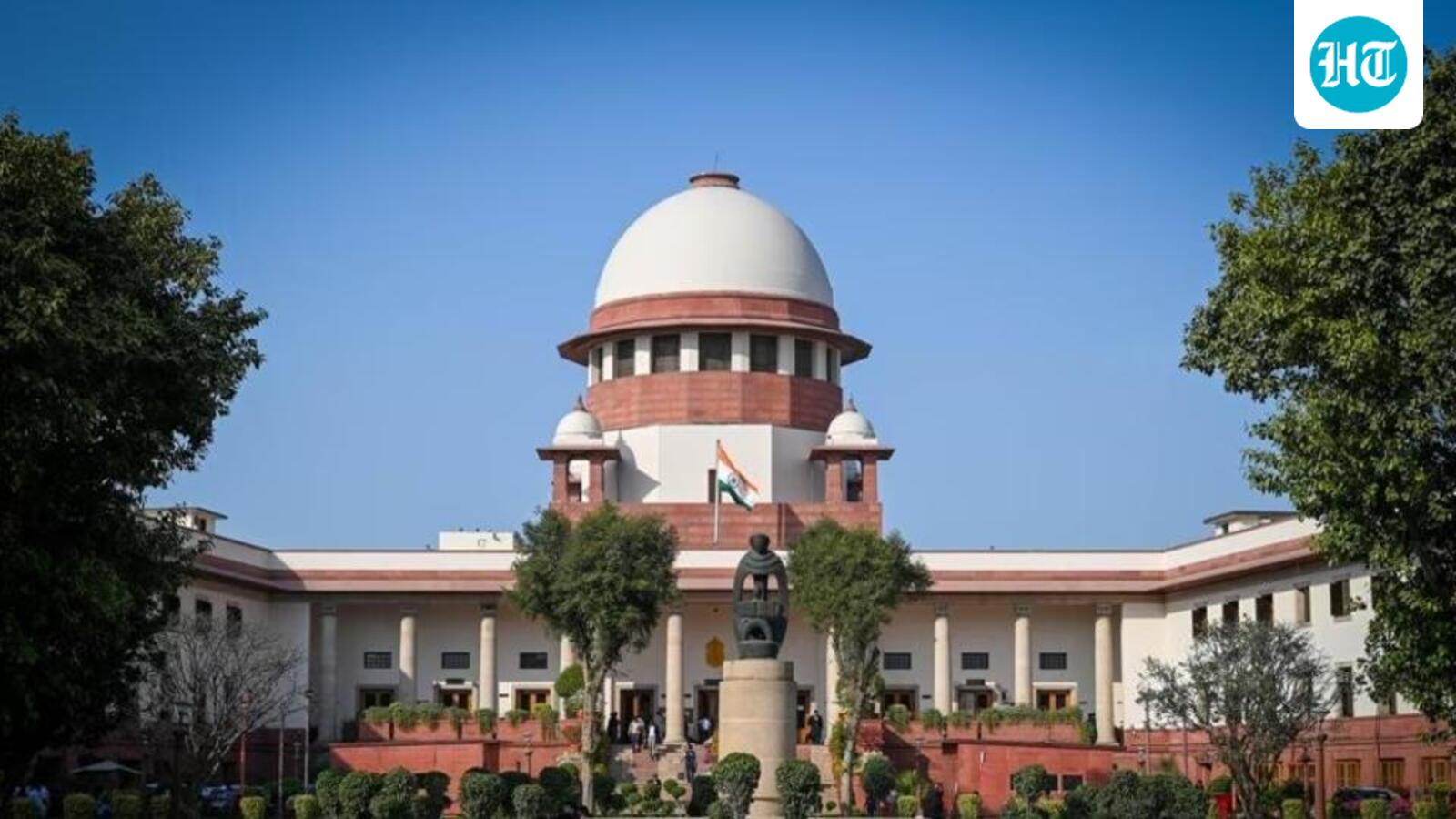
On Sunday, a bench of justices Joymalya Bagchi and V Mohana issued notices to Union home secretary Govind Mohan, Delhi police commissioner Anurag Kumar and DMRC chairperson D Thara, holding that a prima facie case in the contempt pleas against them had been made out. The authorities were directed to file their responses and compliance reports.
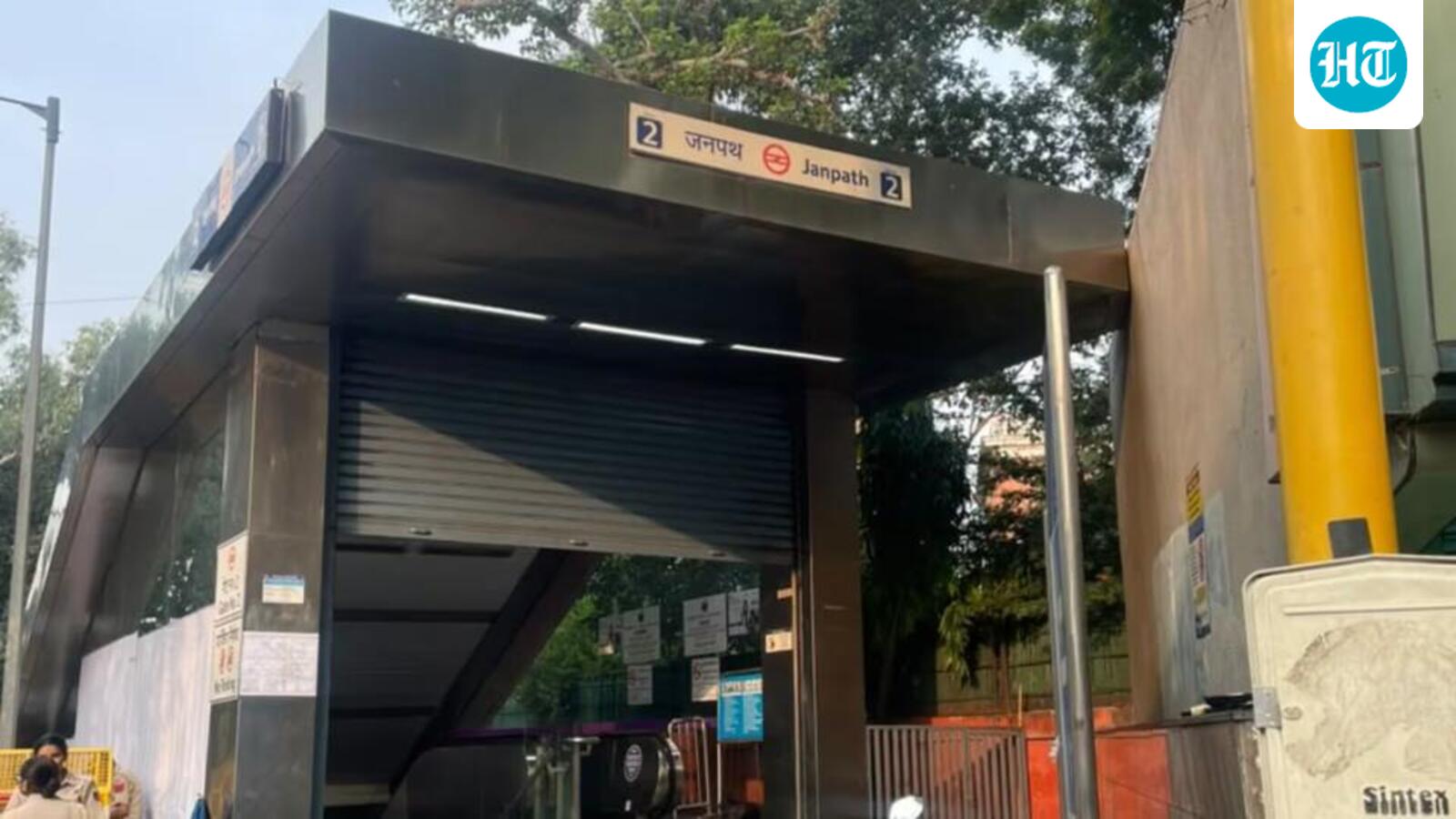
The DMRC’s affidavit, submitted through its general manager, said the Metro network comprises 303 stations, of which entry and exit gates at 45 were restricted on October 10 following directions from the Delhi Police. The original police communication had proposed restrictions at 57 stations, but the number was reduced after the Supreme Court’s intervention on October 9 and a subsequent reassessment of security requirements.
According to the corporation, the remaining 258 stations, which is more than 85% of the network, remained fully operational and accessible to commuters. It also pointed out that interchange facilities continued uninterrupted at 14 of the 45 affected stations, including major hubs such as Rajiv Chowk, Kashmere Gate, Central Secretariat, Mandi House, Hauz Khas, Dilli Haat-INA and Netaji Subhash Place.
Also Read:Jantar Mantar 2.0: No Entry
“The entire Metro network, except for the 45 stations specified in the modified notification dated 09.10.2026, remained fully functional throughout the day on 10.10.2026,” the affidavit stated.
The corporation said the restrictions were imposed in accordance with assessments and directions issued by law enforcement agencies, and did not amount to a complete ban on public transportation, as alleged before the court. It further contended that the police had adopted a calibrated approach at sensitive stations, with passenger exits facilitated even where incoming movement was regulated.
At Vishwavidyalaya station, where entry and exit gates are physically segregated, exit gates remained operational to allow passengers arriving by train to leave without impediment, the affidavit said. At GTB Nagar station, passenger movement was manually regulated by personnel on the ground, with Gate No. 3 kept open to facilitate exits.
The DMRC also said it publicised the restrictions through its social media handles, website and Sarthi mobile application, besides issuing announcements from the operations control centre and inside trains. Signages were displayed at station entry and exit gates, while additional staff and ground marshals were deployed at major interchange stations to guide passengers and manage movement.
The restrictions at the 45 stations were lifted with effect from 10pm on October 10, the corporation said.
The October 9 order followed concerns raised before the Supreme Court that directions issued by the authorities ahead of the protest contemplated cessation or cancellation of Metro services and several trains arriving at New Delhi and Hazrat Nizamuddin railway stations.
The court clarified that there should be no outright prohibition on the movement of Metro trains and other rail services, and asked the authorities to ensure regulated operations and wide publicity of the arrangements to prevent inconvenience to the public.