Rahul guns for Amit Shah over ‘pellets fired’ at CJP march as Parliament session resumes, , govt plans a bill move
Rahul Gandhi has said Amit Shah first has to answer why Delhi Police acted the way it did at Cockroach Janta Party's ‘Sansad Chalo’ march on July 20. | India News
Rahul Gandhi has said Amit Shah first has to answer why Delhi Police acted the way it did at Cockroach Janta Party's ‘Sansad Chalo’ march on July 20.
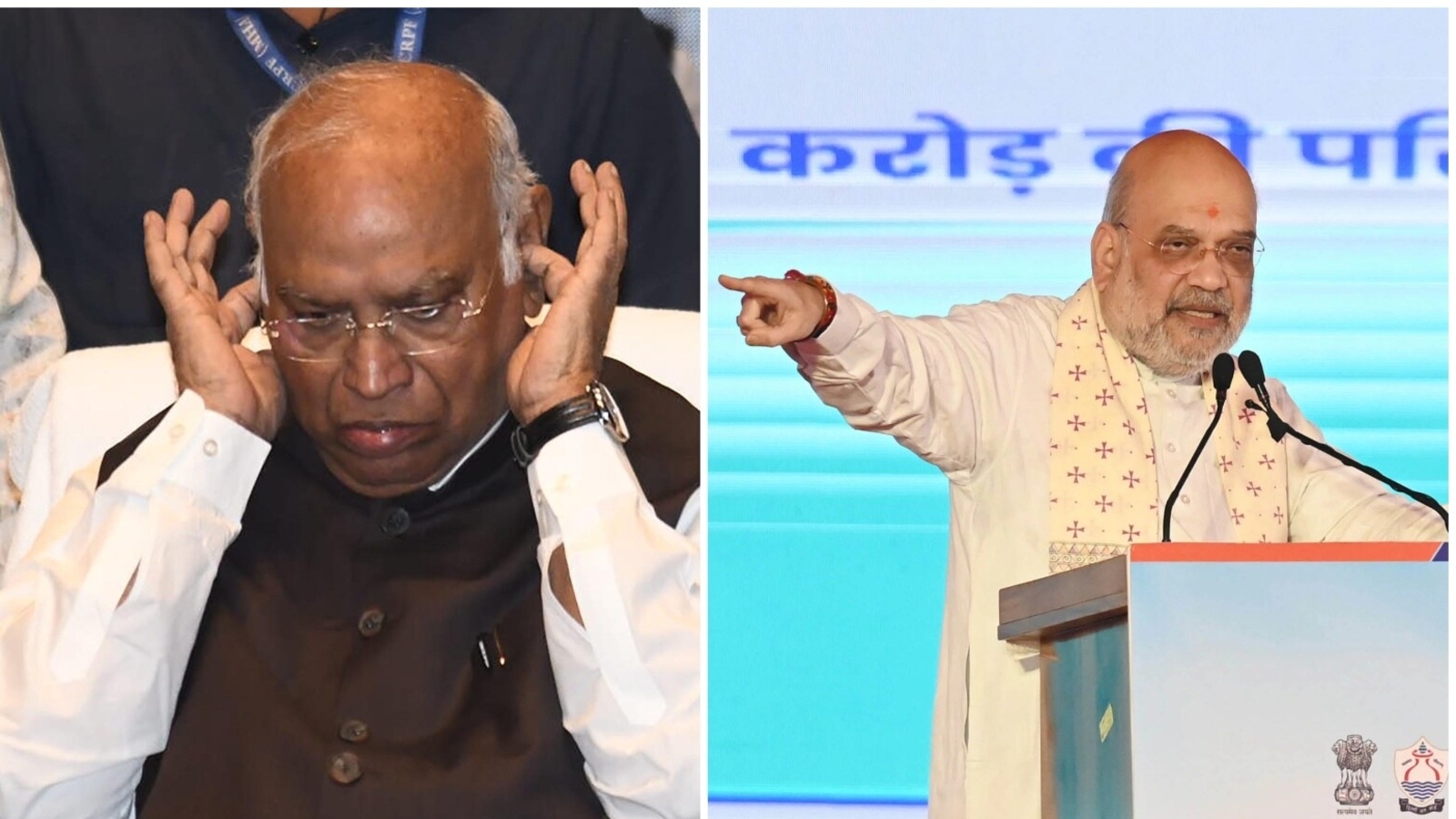
Dharmendra Pradhan is gone from Narendra Modi's cabinet, and the Cockroach Janta Party (CJP) stir is over, but Congress-led Opposition isn't closing the file yet, as Monday sees resumption of the ongoing Monsoon Session of Parliament. The House — disrupted since the session began on July 20, also the day CJP's ‘Sansad Chalo’ march faced violent police action on the streets near Parliament — is set for a two-track clash now, one involving home minister Amit Shah as the target after Pradhan.
The government is keen to push further with its promise of exam reforms. The bill for a tougher law against paper leaks is set for Monday, after Modi also formed a committee under all-season technocrat Nandan Nilekani of Infosys and Aadhaar fame.
But the INDIA bloc led by Rahul Gandhi wants to keep the spotlight on the July 20 police action, the Gen-Z-driven online-offline energy of the protest having already pushed the Modi government onto the back foot.
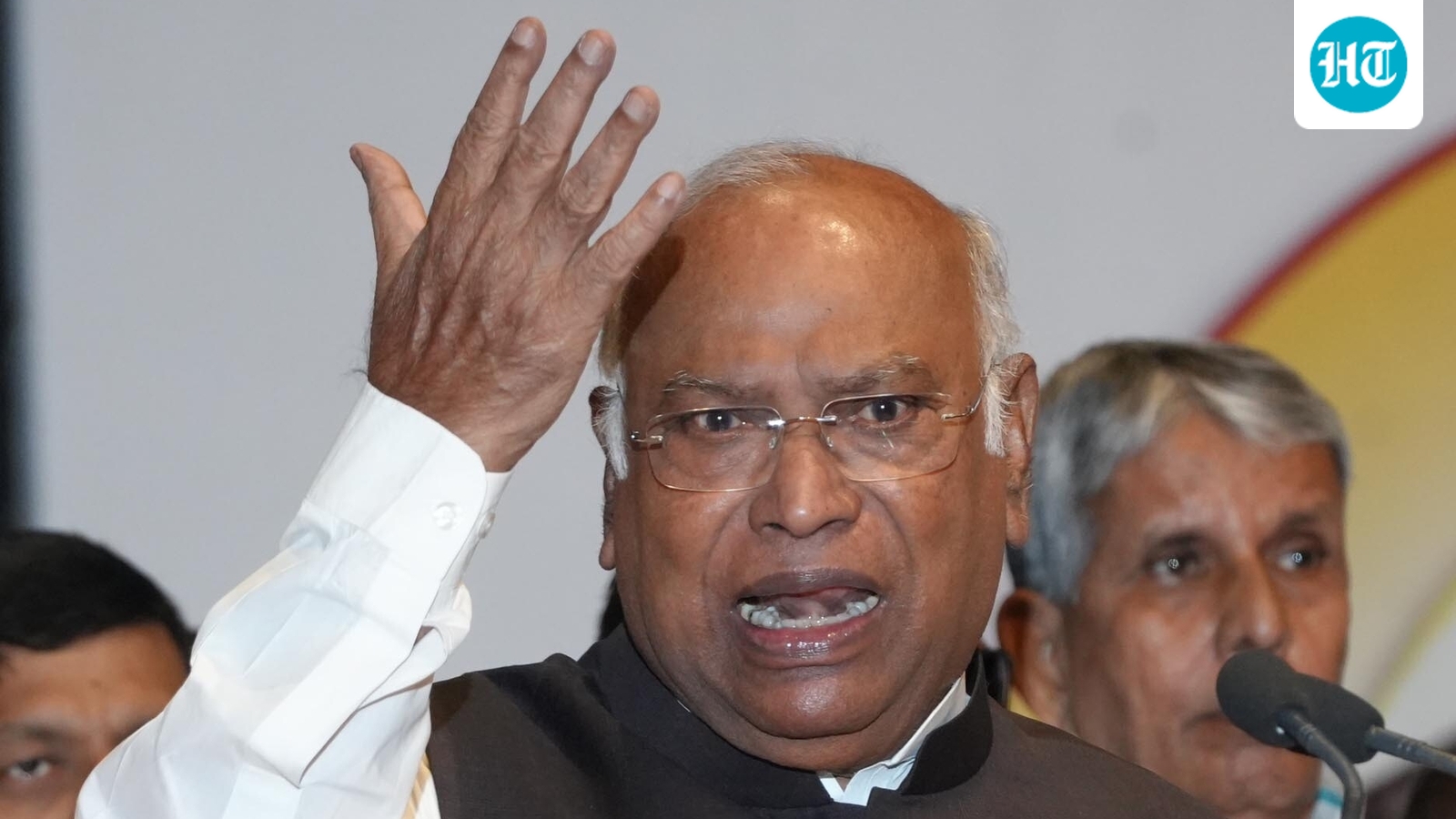
Leader of Opposition (Lok Sabha) Rahul Gandhi already announced his target on Saturday after Pradhan resigned.
“Someone's hand was broken, someone's leg, someone's rib. Pellet guns-like deadly weapons were used, and many were injured so severely that they became critical. These are all directly the responsibility of home minister Amit Shah,” said Gandhi, who ran a parallel protest-cum-awareness drive on paper leaks for weeks even as the CJP came on the scene on the NEET-UG paper leak.
On Sunday, in a letter to the home minister, Gandhi asked whether he had personally cleared the use of pellet guns and other force against protesters.
"I met 19-year-old student Sahil Lochab, who is now in severe pain and is likely to lose an eye because he was shot with pellet guns," the Congress MP wrote. “Security forces deployed in Delhi answer ultimately to you, so I ask: As Home Minister, did you approve the use of lethal force, including pellet guns against students? If not, who did?” the letter said.
He also asked who had authorised the deployment of men in plain clothes seen beating students with lathis, and whether they were police personnel or “volunteers”.
Separately, Trinamool Congress Rajya Sabha deputy leader Sagarika Ghose has moved a notice under Rule 267 seeking suspension of the day's business on Monday to allow an immediate discussion on the alleged use of “lethal and semi-lethal force” against protesters, including reports of pellet gun injuries attributed to the Rapid Action Force.
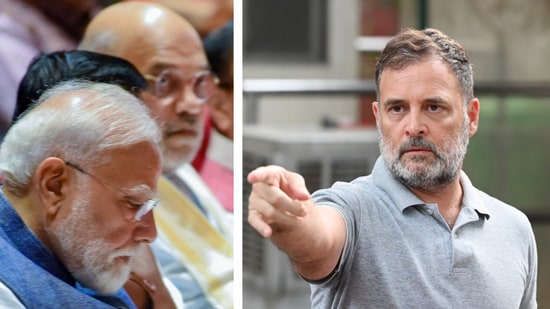
INDIA bloc parties are thus expected to raise the issue in both Houses. Delhi Police has denied that its personnel used pellet guns during the protest; the CRPF, under whose remit the RAF falls, has not issued a public response to the specific allegations.
The Centre, meanwhile, is set to introduce the Public Examinations (Prevention of Unfair Means) Amendment Bill, 2026, in the Lok Sabha on Monday, to be moved by minister of state Jitendra Singh, who has also served as the government's interlocutor with protesters alongside health minister JP Nadda.
The bill had already been announced by Modi in a midnight video before Pradhan's resignation came as the CJP and Rahul said the demand was “non-negotiable”.
The bill, which did not suffice on its own to calm the protests, proposes to substantially raise penalties under the original 2024 law.
The bill also introduces strict timelines requiring investigations to be completed within two months, and Special Fast Track Courts to try cases on a day-to-day basis and conclude trials within three months of the chargesheet being filed. Appeals would go to a minimum two-judge High Court bench, to be disposed of, as far as possible, within three months.
Anti-Gadkari undercurrent
Besides the government and Opposition's two tracks, there is a brewing demand for another minister to quit. Road minister Nitin Gadkari has been facing public criticism over alleged damage to vehicles due to ethanol-blended petrol E20.
Some of the meme-driven commentary that accompanied the demonstrations has turned toward Gadkari, with a separate group planning a protest in Delhi on July 31.
Aarish Chhabra is an Associate Editor with the Hindustan Times online team, writing news reports and explanatory articles, besides overseeing coverage for the website. His career spans nearly two decades across India's most respected newsrooms in print, digital, and broadcast. He has reported, written, and edited across formats — from breaking news and live election coverage, to analytical long-reads and cultural commentary — building a body of work that reflects both editorial rigour and a deep curiosity about the society he writes for. Aarish studied English literature, sociology and history, besides journalism, at Panjab University, Chandigarh, and started his career in that city, eventually moving to Delhi. He is also the author of ‘The Big Small Town: How Life Looks from Chandigarh’, a collection of critical essays originally serialised as a weekly column in the Hindustan Times, examining the culture and politics of a city that is far more than its famous architecture — and, in doing so, holding up a mirror to modern India. In stints at the BBC, The Indian Express, NDTV, and Jagran New Media, he worked across formats and languages; mainly English, also Hindi and Punjabi. He was part of the crack team for the BBC Explainer project replicated across the world by the broadcaster. At Jagran, he developed editorial guides and trained journalists on integrity and content quality. He has also worked at the intersection of journalism and education. At the Indian School of Business (ISB), Hyderabad, he developed a website that simplified academic research in management. At Bennett University's Times School of Media in Noida, he taught students the craft of digital journalism: from newsgathering and writing, to social media strategy and video storytelling. Having moved from a small town to a bigger town to a mega city for education and work, his intellectual passions lie at the intersection of society, politics, and popular culture — a perspective that informs both his writing and his view of the world. When not working, he is constantly reading long-form journalism or watching brainrot content, sometimes both at the same time.Read More