The fiery heat of the Deccan is all grit and no garden
Today in India it has become fashionable to talk about gluten-free food as a way to overcome the diabetes that is rampant in our country. | India News
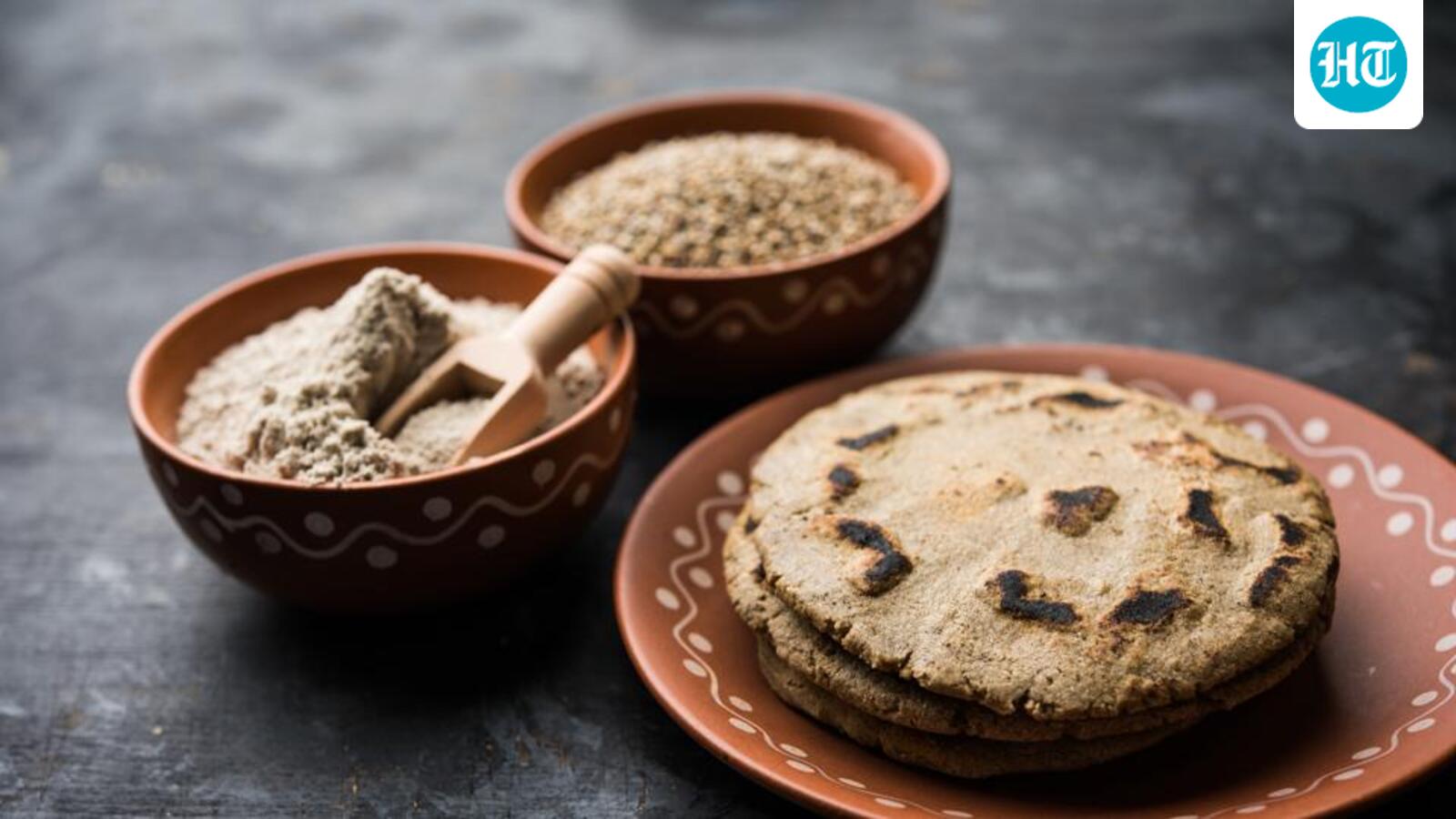
Today in India it has become fashionable to talk about gluten-free food as a way to overcome the diabetes that is rampant in our country.
One of the most interesting meals that I have had in Bangalore occurred about 20 years ago right after I first moved to the city in 2005. A friend and I visited Kamat Yatri Nivas, a lodging house with an in-house restaurant in the Majestic area. On the top floor we sat at a modest table and were served a Jolada Rotti Oota (lunch) with a choreographed sequence of dishes. What struck me about this meal was how healthy it was. We had a couple of kosambaris, which are essentially raw salads made with a combination of vegetables and pulses. The grated vegetables included radish, carrot, onion, cucumber, and chopped coriander, along with dals such as moong dal. Then there was the main part of the meal, which included Jolada Rotti made with jowar or sorghum flour. Incidentally, the way this word is said in Karnataka is different from the soft “roti” of North India. In South India, we hold the tongue firm for a much stronger “rotti”. Accompanying the jolada rotti was the badanekayi ennegayi, a spicy dish made with slit purple brinjals stuffed with a coconut-based gravy. There were a three powders or podis, including one made with shenga or peanuts. The sweets were not too sweet and included jaggery holige. Eating this meal made me realize that you could have a full lunch and not feel sleepy or tired, which is what usually happens to me after a rice-based South Indian feast.
Today in India it has become fashionable to talk about gluten-free food as a way to overcome the diabetes that is rampant in our country. The Uttara Karnataka meal that I had in Kamath Yatri Niwas was anchored by two millets: Jola and Sajji, or Jowar and Bajra (sorghum flour and pearl millet flour). To learn how the people of the Upper Deccan fashion these flours into flatbread, you only need to turn to YouTube, where there are a number of channels anchored by beautiful and simple women of North Karnataka with very specific recipes about how to cook the dishes. The one I like is simply called “Uttara Karnataka Recipes.”
The late great Suryanath Kamath, chief editor of the Karnataka State Gazetteer from 1981 to 1995, described the food habits of Uttara Karnataka in 1987 in simple yet detailed terms.
“The rural folk generally take three meals a day, the first meal at about eight O’clock in the morning before going to the fields consisting of jowar rotti. The second meal is taken in the afternoon mostly in the fields, also consisting of jowar rotti and a little rice occasionally, and the third meal of jowar rottis taken in the night at home.”
“Gruel (ambli) or nucchu made of jowar is also taken often for the morning meal or the second meal in the afternoon. Chatni, a paste consisting of chillies, salt and tamarind is invariably prepared. In summer more butter-milk is consumed and generally the consumption of milk is low in all the households. Groundnut oil is generally used for cooking. On special occasions and festivals sweets like holige, kadabu, payasa, shavige and huggi are prepared. Rice is occasionally eaten on festive days when they entertain guests. Most of the castes observe one day in a week as auspicious, by fasting on that day and non-vegetarians do not take the non-vegetarian food.”
“The daily food of the Brahmins, Lingayats and Jains include rice, jowar, pulse, curry, butter, curds, milk, etc. There is not much difference in food of the urban and rural households except that in the urban households a little more varieties of dishes are prepared and chapati instead of rotti, and also rice are consumed. The poor mostly consume maize which is relatively cheaper than jowar. Villagers use ama solada or vate kai in the place of tamarind in western taluks. Common side dishes prepared are amate (soup from pulses), palya or curry, usli of pulses, jhunaka, and chatni, both wet and dry (powder). In the urban areas, labourers go to hotels for the morning tiffin and generally take chapati or puri and bhaji. They carry with them the midday meal and eat at the working site.”
“The dishes of the Muslims do not differ much from the dishes of Hindus excepting the holiday dishes. The rich among Muslims take biryani mostly and the poor palav and pulses and mutton curry. Many rich families eat mutton daily. Except Boharas, Mehmans and members of four main divisions the Syeds, Shaiks, Mughuls and Pathans, almost all Muslims of Belgaum prefer mutton to beef and many local converts do not touch beef. An animal becomes lawful food for Muslims only if it is killed by cutting the throat and repeating the words ‘Bismillahi Allah o Akbar’ at that time. Fish and locusts may be taken without being killed in this manner.”