The financial winners and losers from the World Cup
Big bucks are being made from the 2026 tournament off the field, but who is raking in the most?
This World Cup has been bigger than any tournament before it.
More countries taking part and more matches means more eyeballs on the action - as well as more opportunities to make money.
As the planet's footballing stars create historic moments on the pitch, billions of dollars are being generated off it.
But not everyone is raking in the big bucks with financial winners and losers.
The amount of money world football's governing body Fifa makes from the World Cup is astronomical. It generated a record $7.6bn (£5.6bn) from Qatar 2022 and is expected to top that in US, Canada and Mexico 2026, especially with the expanded 48-team tournament.
Marion Laboure, senior strategist at Deutsche Bank Research, says Fifa is "without question" the main winner with its revenues over the four-year cycle period approaching $13bn.
Fifa's income comes from the sale of broadcasting, licensing and hospitality rights, sponsorship deals and ticket sales.
"Fifa also moved into the secondary market with its official resale marketplace, taking a 15% fee from both buyer and seller," adds Laboure.
We should expect more of this in tournaments to come, with Fifa considering expanding the tournament yet again to 64 teams, which could include the likes of China and India - and the billions more viewers that come with it.
While fans may have achieved lifelong dreams, financially speaking, this tournament has been tough.
The vast sums being forked out to pay for the tickets alone and criticism of Fifa's dynamic pricing strategy, which raises prices when demand is high, have been well-documented.
Even US President Donald Trump admitted he "wouldn't pay" when asked about the potential $1,000 ticket price for his country's tournament opener against Paraguay.
Tickets for the final at New Jersey's MetLife Stadium were officially offered at $32,970, while some resale tickets have been listed for more than $2m.
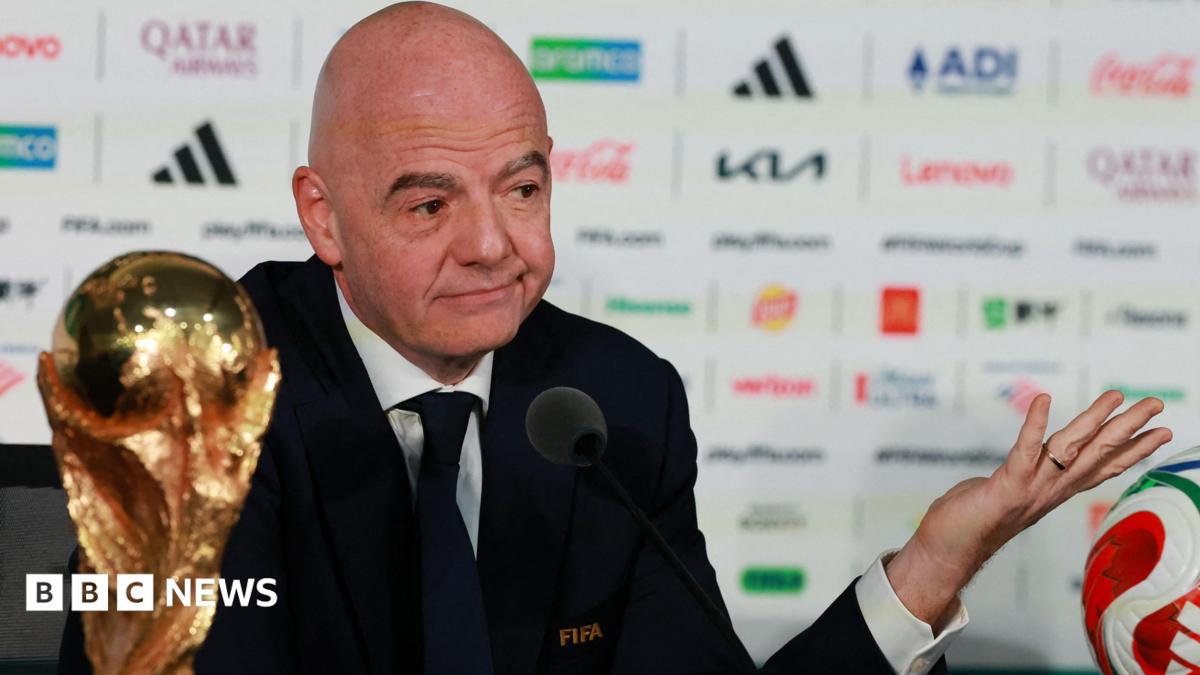
Fifa president Infantino defended ticket costs, arguing they were in line with other US sporting events.
Away from tickets, fans have also been squeezed through flights, food and accommodation.
One example that hit the headlines was the hike in New Jersey Transit train tickets. A 30-minute train journey to the MetLife Stadium rose to $150 for the tournament from the usual $12.90 for a return fare. A backlash led to prices being cut, but they still remained higher than normal.
Broadcasters and sponsors - winners
While broadcasters have had to shell out big bucks to televise the tournament, the viewing figures - and sponsors wanting their brands on show - mean they are also likely to make a killing in selling advertising slots.
Fifa brought in hydration breaks for this World Cup - a move Infantino said was "purely a sporting matter" with no additional revenue for the governing body.
However, the 90 seconds for players to get fluids on board has provided a new commercial opportunity for broadcasters and sponsors wanting to show off their brand, especially in the US, where American sports fans have been long used to games effectively being played around the ad breaks.
Fox Sports, who reportedly paid $485m for the US broadcast rights, introduced the hydration intervals as "sponsored by" a brand.
According to experts, an average 30-second World Cup advertising slot on Fox costs between $200,000 and $300,000. It reached as high as $750,000 during US matches the final stages.
It means hydration break ads could net $250m in the US alone, prompting speculation that they will be here to stay.
"The hydration breaks are pure advertising inventory. I'd be extremely surprised if they disappear. The expanded format will stay because scale is now Fifa's business model," says Laboure of Deutsche Bank Research.
Fans in the UK watching games on the BBC or ITV have been shielded from hydration break adverts due to the former not using any advertising and the latter being restricted by regulator rules on the amount of commercials used in a 60-minute period.
The official sponsors of the World Cup pay eye-watering sums to associate brands with the competition, but no doubt end up benefiting financially, with the likes of Adidas and Coca-Cola plastered everywhere.
The German sportswear brand has been locked in a battle with its arch-rival Nike, spending some £50m on their "backyard legends" ad featuring Lamine Yamal, Jude Bellingham and Lionel Messi.
However, some unofficial brands have benefited from Fifa trying to make sure fans see less of them, such as the Levi's logo outside the Levi's stadium in San Francisco being covered up.