Tupac murder trial: 'All hell broke loose' night of rapper's shooting, witness says
After he was shot multiple times, Tupac Shakur refused to cooperate with police and told an officer "we'll take care of it", an officer testified.
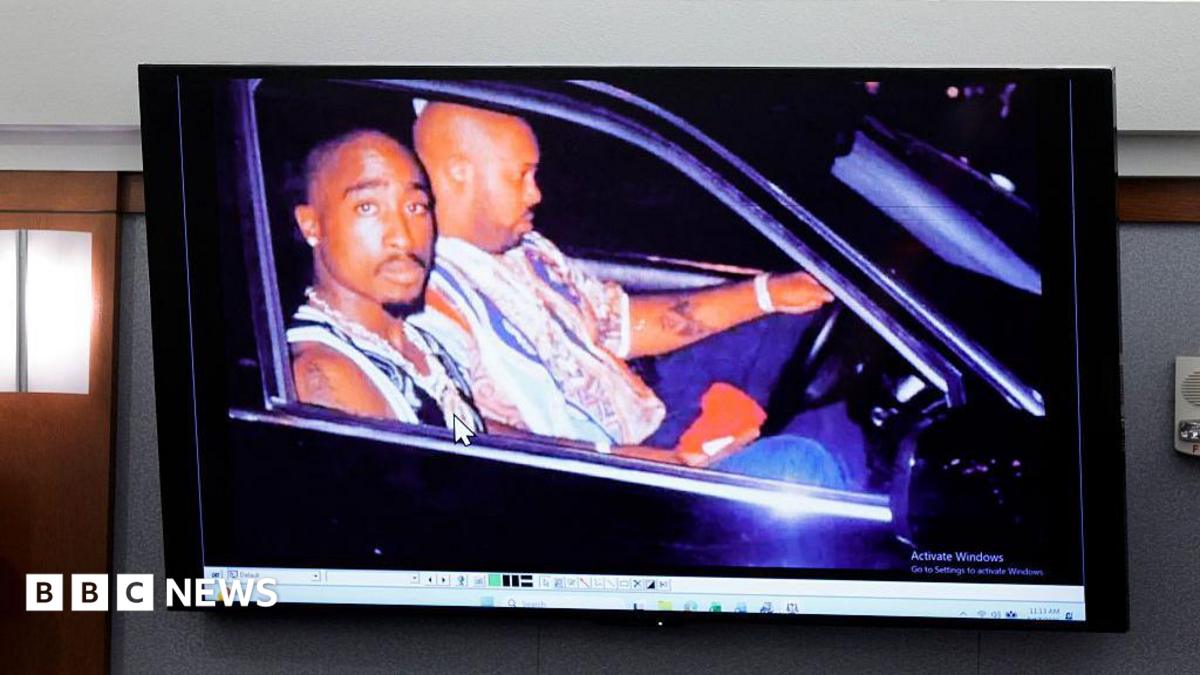
In the opening day of Tupac Shakur's murder trial, prosecutors painted former gang leader Duane "Keffe D" Davis as someone seeking revenge before masterminding the drive-by shooting that killed the iconic rapper.
Witnesses took a Las Vegas jury back in time by three decades, to the night Shakur was shot, when gangs had a hold over '90s hip-hop and distrust in police led to a lack of cooperation.
Davis, 63, is charged with Shakur's murder - one of the most famous cold cases of the last century.
Prosecutors allege that although Davis did not fire the gun that killed the influential rapper, he orchestrated the killing. Davis has denied the allegations and pleaded not guilty.
In its opening arguments, the prosecution portrayed Davis as the ringleader of the group responsible for the shooting - and point to a memoir he co-authored in which he wrote in detail about the night of the shooting.
"Let's be clear, Duane Davis did not pull the trigger. But he did plan the shooting in retaliation of the beating of his nephew," Chief Deputy District Attorney Binu Palal said, referring to an incident that took place earlier in the day when Shakur was shot.
"Remarkably, you will learn that from Duane Davis himself," Palal told the jury.
What to know as a gang leader goes on trial in Tupac's murder
Davis's lawyers called the narrative "fiction", dubbing the case a product of a flawed decades-long investigation. Davis has distanced himself from the memoir, saying he didn't write all of it and that parts were fictionalised to sell more copies.
Davis, wearing a navy suit and blue tie, sat with his defence team as they questioned why no one had been arrested for nearly three decades and asked why "no-one corroborates any of this".
"What facts do they have after 30 years?" his lawyer Michael Sanft asked.
The prosecution's first witness was Garry Dale, who was working for the Las Vegas Metropolitan Police Department at the time of the shooting in September 1996.
The officer detailed travelling in an ambulance with Shakur after he'd been shot. He said the rapper refused to offer any information on what happened and who had shot him. "We'll take care of it," Shakur said, according to the officer's testimony.
At the core of the case is East Coast vs West Coast rap rivalries and turf wars between the Bloods and the Crips street gangs that were immortalised in rap lyrics and news reports in the 1990s.
Police have long said said a lack of co-operation in the case led to dead ends in their investigation. Members of the rapper's entourage, though, have accused authorities of initially treating them like suspects and failing to follow important leads.
Throughout proceedings on Monday, prosecutors painted that picture for the jury, explaining that there were no formal criminal charges in the shooting because in the world of guns and gangs "silence means survival".
But "one person" who had a hard time staying silent was the defendant, prosecutors said, noting that Davis gave a "number" of statements on the case between 1998 and 2003.
Prosecutors allege Davis planned the shooting after his nephew Orlando Anderson was involved in a fight with Shakur in Las Vegas hours earlier. They argue that Davis believed the attack on his nephew could not "go unanswered".
Shakur was just 25 years old when he was gunned down after a Mike Tyson boxing match on 7 September 1996. He died six days after the shooting.
Prosecutors contend that Davis - a former leader of the South Side Compton Crips street gang - was the "on-ground, on-site commander" who "ordered the death" of Shakur.
What we learned from opening statements
The murder case had largely gone cold until public statements made by Davis himself, who published a memoir in 2019. In it, and in various interviews, Davis has claimed he was a passenger in the vehicle that fired into Shakur's car that night.
He said in the book that he gave the gun used in the murder to his nephew, Anderson, who shot the rapper.
His lawyers have argued the book is fiction and shouldn't be used as evidence in a criminal trial relating to a case from three decades ago, but a judge ruled it could be used in court.
His defence team has pointed to missing police reports, disputed evidence and "biased, sloppy and incomplete" detective work.
They alleged prosecutors relied on "unreliable people with criminal records, financial motivations and inconsistent statements".
The defence also argued witnesses changed their stories over time and were influenced by money, media attention or information supplied by investigators.


