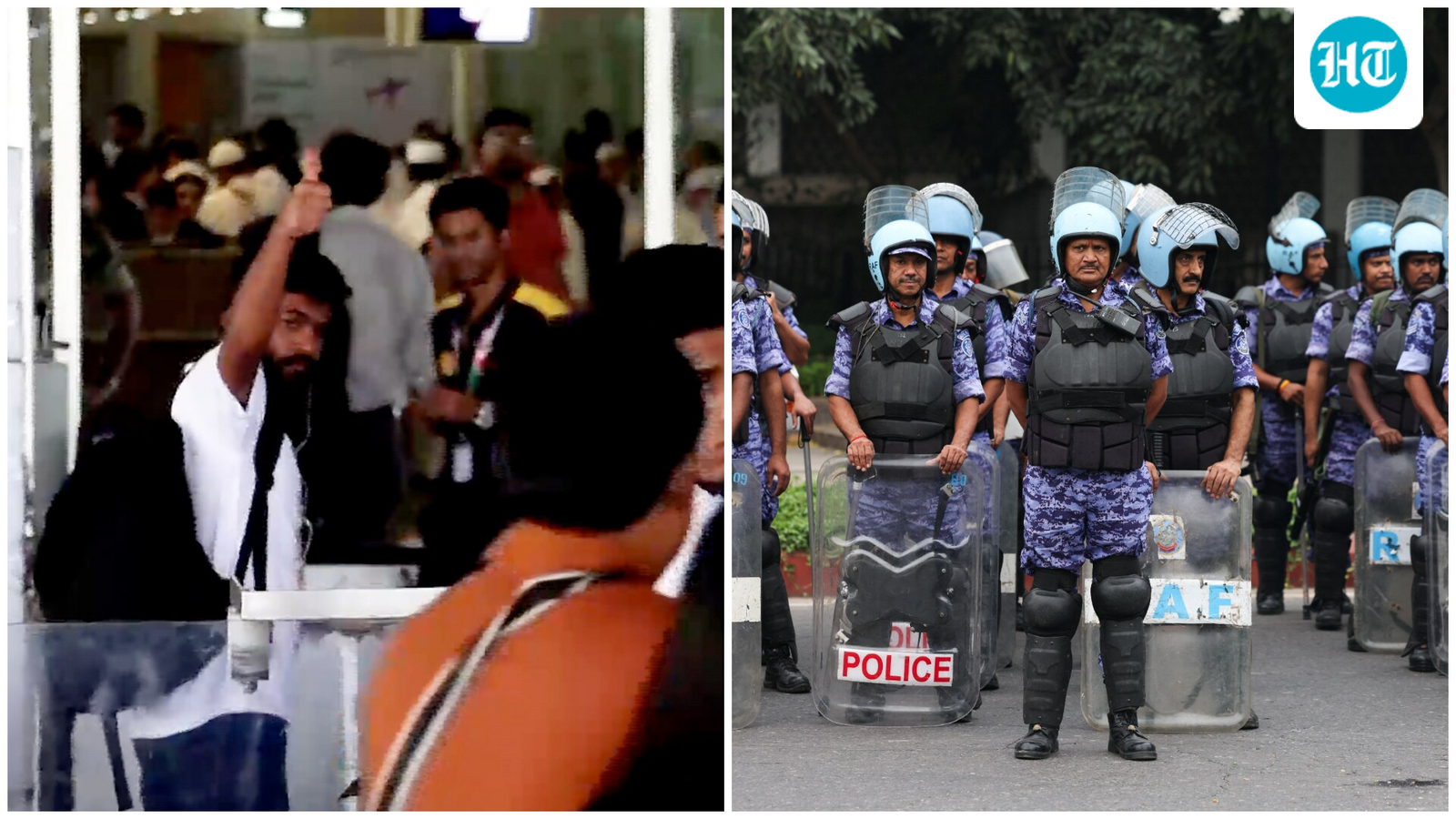
Contempt plea in SC over Delhi Metro, rail curbs; home secretary, Delhi Police chief named
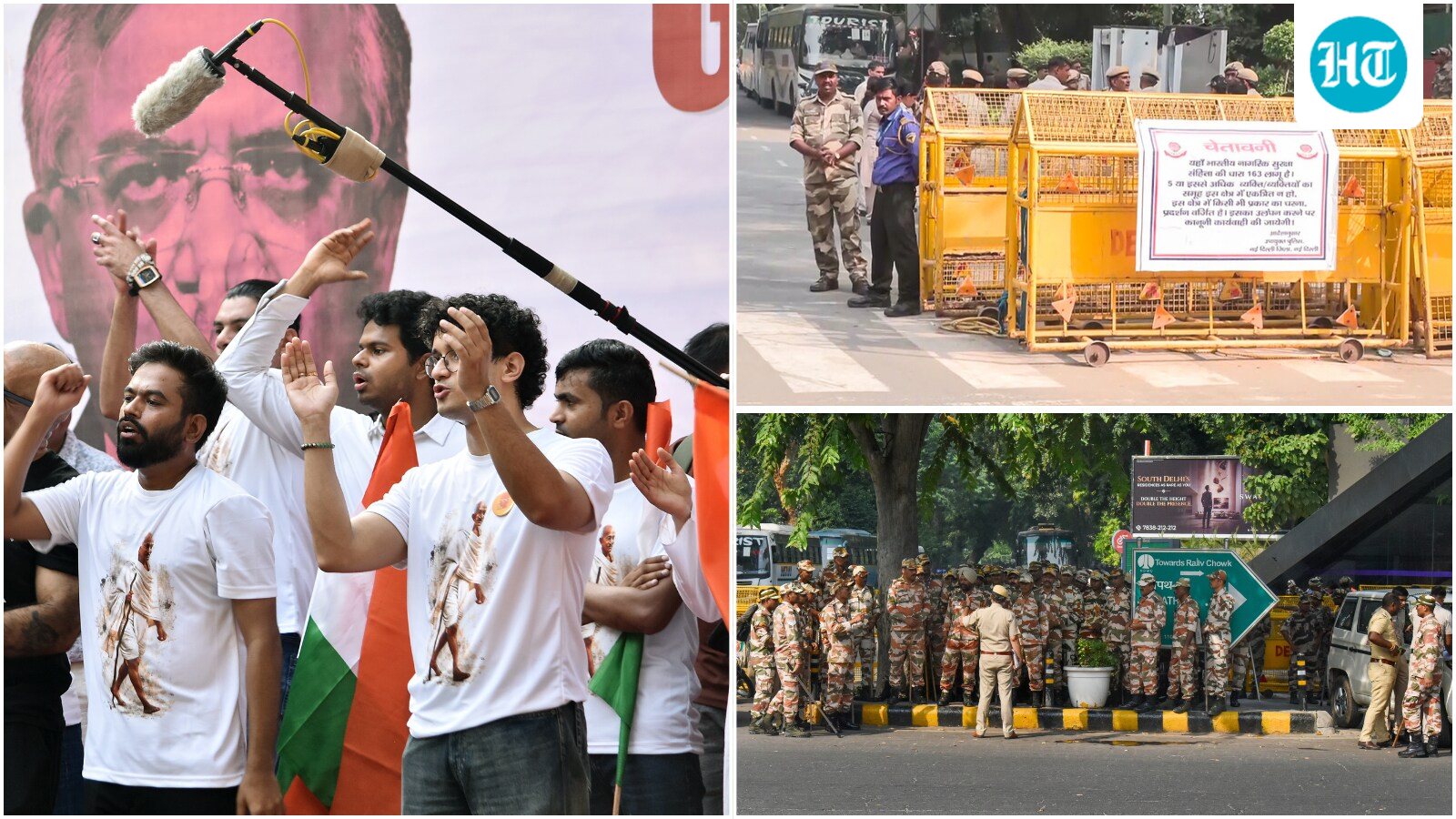
The restrictions in Delhi on Saturday were imposed in view of the Cockroach Janta Party protest at Jantar Mantar against CEC Gyanesh Kumar and the SIR exercise. | India News
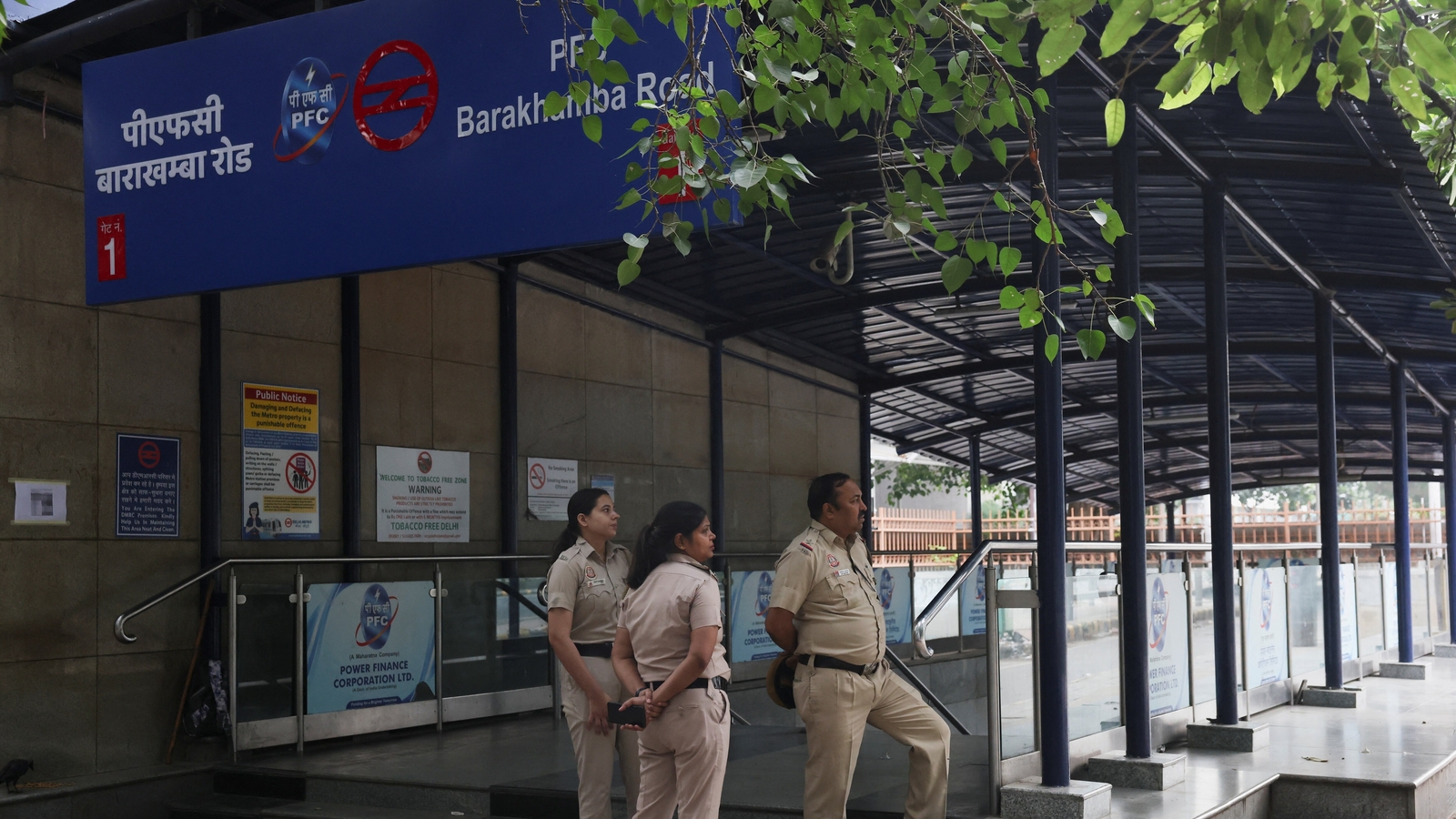
The restrictions in Delhi on Saturday were imposed in view of the Cockroach Janta Party protest at Jantar Mantar against CEC Gyanesh Kumar and the SIR exercise.
A contempt petition was filed in the Supreme Court on Saturday, alleging that the Centre and Delhi authorities violated the court’s order to lift blanket restrictions on metro and train services. The top court had, in its October 9 order, also directed the publication of traffic advisories ahead of the protest at Jantar Mantar.
The restrictions in Delhi on Saturday were imposed ahead of the Cockroach Janta Party protest against Chief Election Commissioner Gyanesh Kumar and the special intensive revision exercise.
The petition, filed by advocate Shailendra Mani Tripathi, stated that despite the court’s clear order requiring the Centre to ensure that the public was not inconvenienced in any manner, no traffic advisory had been published in newspapers and there had been no change in the decision to shut down 57 metro stations and cancel several Delhi-bound trains terminating at New Delhi and Hazrat Nizamuddin stations.
Also Read | 'Don't use hammer to kill a fly': Supreme Court asks Centre, Delhi Police to lift blanket curbs on metro, trains
The contempt plea said, “Notwithstanding the solemn judicial mandate and the assurance recorded before the bench of the Chief Justice of India (CJI), the contemnors have consciously maintained a blanket shutdown across transit corridors, persisted with unwarranted train cancellations, and failed to issue or publicize transparent traffic and transit advisories.”
The plea, filed on Saturday morning, named Union home secretary Govind Mohan, Delhi Police Commissioner Anurag Kumar, and Delhi Metro Rail Corporation (DMRC) chairperson D Thara as contemnors.
Filed by advocate Chand Qureshi, the petition said, “This deliberate recalcitrance has severely crippled public life across the National Capital Territory, stranding essential travelers, and amounts to an intentional attempt to bypass and undermine the authority and majesty of this court.”
A bench headed by CJI Surya Kant and justices Joymalya Bagchi and V Mohana had passed an order on Friday over a petition filed by CPI(M) general secretary MA Baby. Senior advocates Kapil Sibal, Abhishek Manu Singhvi and Gopal Sankaranarayanan had then informed the court that the restrictions were so prohibitive that ordinary citizens would be inconvenienced as roads remained barricaded, major metro stations were closed and trains were cancelled, amid other restrictions. The police had denied the permission to protest to the CJP and enforced strict vigilance and security measures to prevent any untoward incident.
What was the Supreme Court order?
The court had on Friday said, “We clarify that although there shall be no outright prohibition on the movement of metro trains, a prudent decision may be made to permit the operation of metro trains and other rail services in a suitable and regulated manner. Such a decision should be widely publicised to prevent further inconvenience.”
It further said, “A traffic advisory shall also be published in respect of smooth movement of vehicles in newspapers and on online platforms to ensure that no hardship or inconvenience is caused to the public in the course of traveling within the city.”
The court had directed the authorities to give wide publicity to ensure ample clarity on the prevailing circumstances and sought a compliance report in four days.
Follow the latest breaking news, major developments and agenda-setting stories from India and around the world with the newsdesk at Hindustan Times. Operating round the clock, the desk brings together experienced editors, reporters and correspondents to deliver fast, accurate and contextual reporting across subjects that influence public policy, governance, business, society and international affairs. The HT News Desk covers politics, elections, government policies, the economy, business and markets, science and technology, the environment, law and order, infrastructure, education, climate issues and geopolitics, while closely tracking developments across states, institutions and global capitals. The team also leads coverage of major breaking news events, policy announcements, court proceedings, natural disasters, public emergencies and significant international developments. Reports published by the newsdesk are based on information gathered from reporters on the ground, official statements, government agencies, court records, regulatory filings, recognised institutions and other authoritative sources. Stories undergo editorial scrutiny and verification processes to ensure accuracy, fairness and relevance, and are updated as events evolve and additional information becomes available. Whether covering a key political decision in New Delhi, an economic policy shift affecting millions, a landmark court ruling or a major global event, the HT News Desk aims to provide readers with reliable, fact-based journalism that delivers not only the latest developments but also the context and analysis needed to understand their wider implications.Read More