Indians deserve answers: Probe alleged foreign links to Gen Z protests, identify backers
The objective of such an investigation must be to expose any concealed foreign direction or hidden role and recommend safeguards. | India News
The objective of such an investigation must be to expose any concealed foreign direction or hidden role and recommend safeguards.
New Delhi: India cannot afford complacency about attempts by external actors to manipulate its political debate, weaken confidence in institutions or exploit domestic grievances. Covert foreign sponsorship of political mobilisation would compromise that accountability by allowing undisclosed interests to influence public decisions without accepting responsibility for the consequences. Therefore, protecting the electoral mandate from external disturbances requires an effective capacity in the law enforcement agencies and counter intelligence agencies to identify and investigate organised interference.
Concerns about such emerging foreign interference are visible in Indian political commentary and social media. They centre on the interaction between overseas commentators, international advocacy networks, digital platforms and domestic protest movements. Several reports establish that these concerns exist, and many people openly share them. Their seriousness should be assessed using the available evidence and proper legal investigations before it is too late.
There are reports indicating that the ongoing so-called Gen Z movement is an externally supported attempt to destabilize India. Social media statements claim that it was described as a “cross-border influence operation” targeting India and the elected Modi government. These statements reflect growing tension in India about foreign involvement entering mainstream political debate.
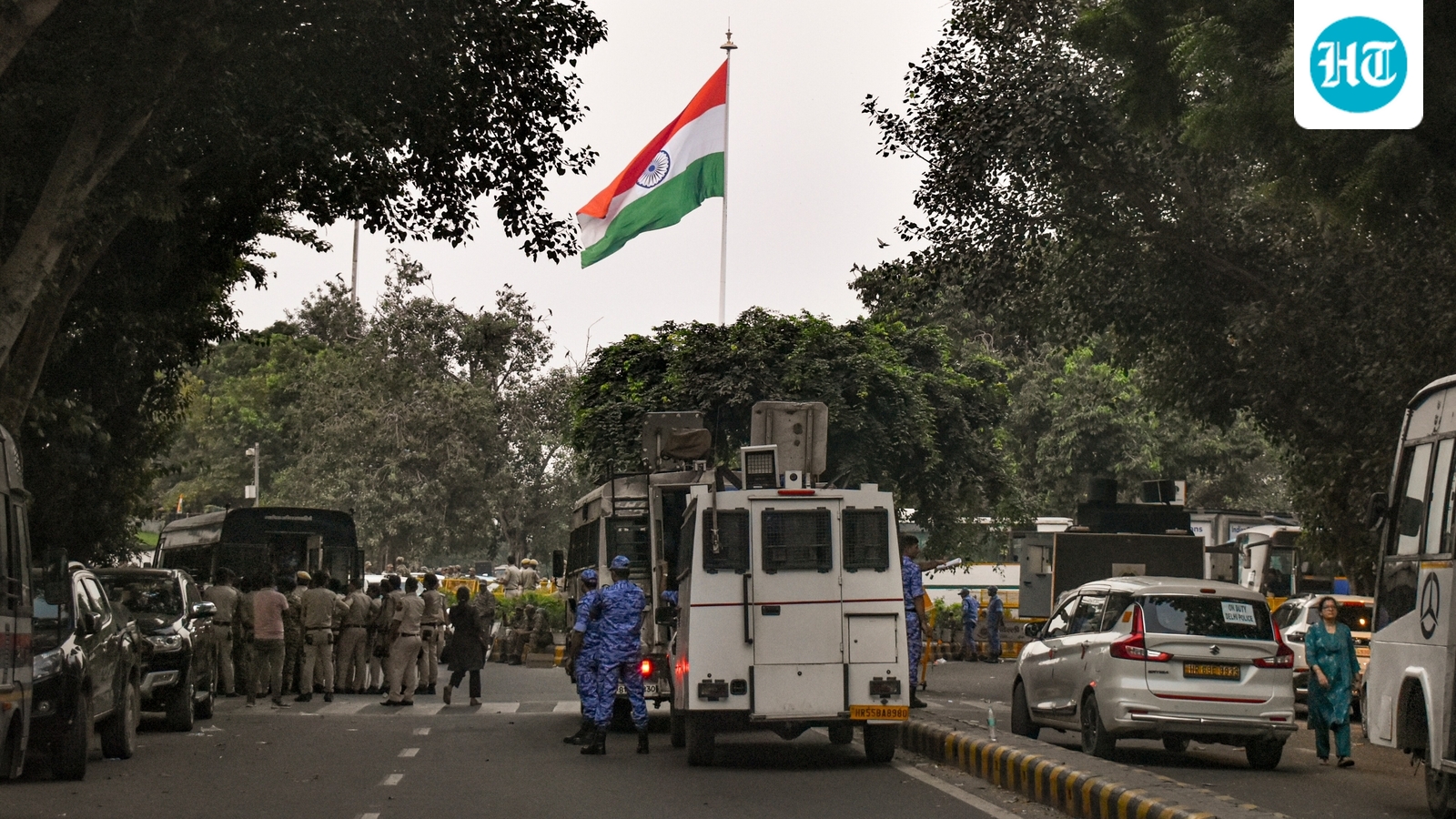
Also Read | Security tightened in GB Nagar, Ghaziabad amid protests
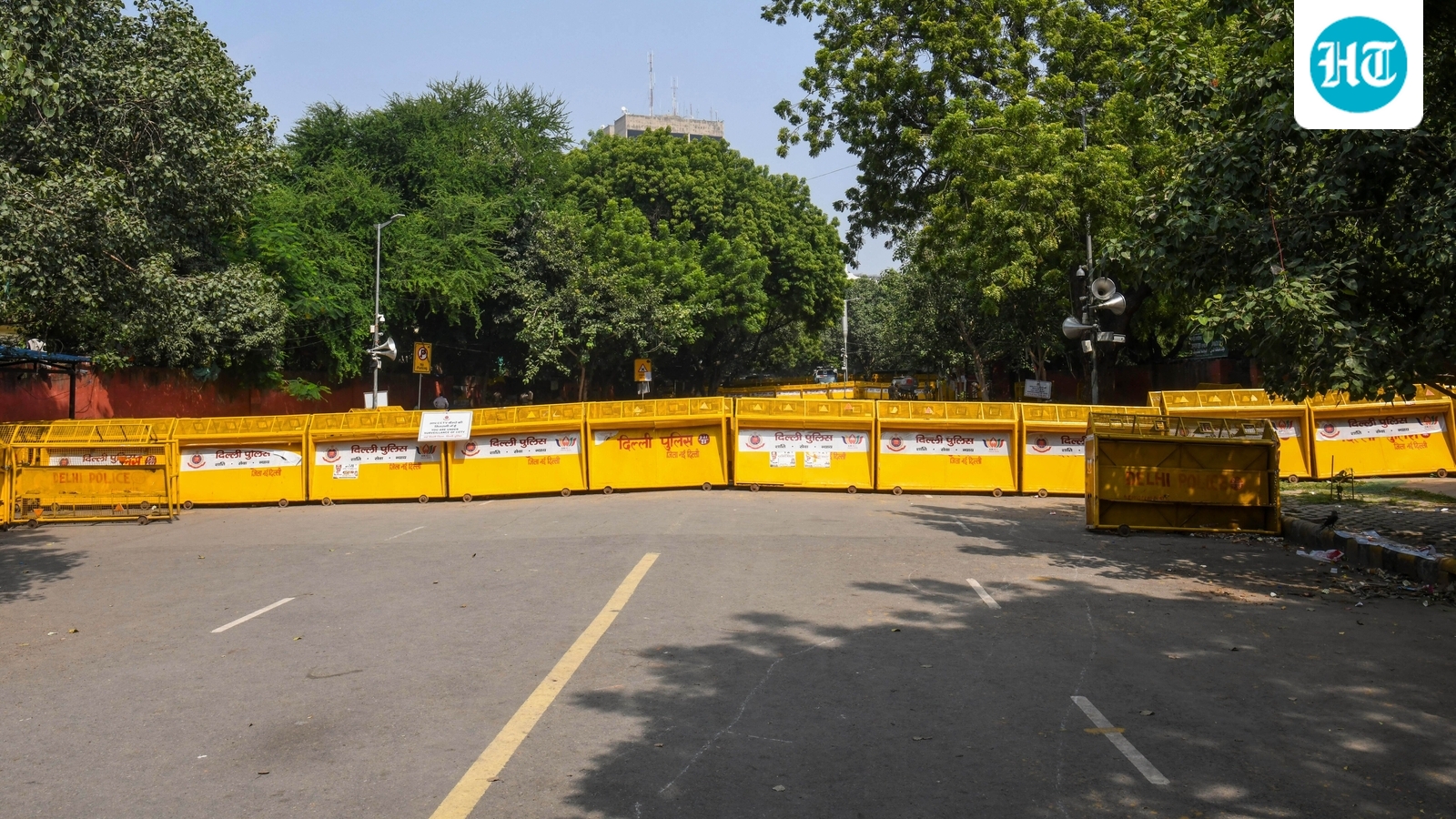
The transition of the ongoing movement from online satire to street mobilisation gives the controversy practical significance. The Associated Press reported its first major physical protest in June 2026 and quoted its social media call to turn the joke into a revolution. Digital communities can evidently become organised political pressure through planned external support, as has been seen in different countries where elected governments have been overthrown through violent street protests. That raises questions about financing, account administration, promotional spending, and organisational direction, particularly when a newly propped-up social group with political objectives acquires substantial reach before establishing transparent structures. Therefore, it is critical to examine all these aspects before lending political legitimacy to the leadership of such a movement.
Overseas commentators on India’s internal political and security issues also play an important role in this debate. Publications and interviews by Left-Communist-Islamist western media advance a strongly critical interpretation of the ruling government in New Delhi and its policies. Some reports have alleged that overseas funding and commentary, including work associated with such media, contributed to electoral interference in India. Another example is YouTube vloggers within India and abroad who have been creating propaganda videos to provoke the Indian audience. Videos like why the "Modi Govt is scared of Cockroach Party" shows how influential vloggers can amplify an anti-government movement and frame its political significance in India. This kind of communication can connect domestic controversies with overseas audiences, including the Indian diaspora. Key questions include undisclosed sponsorship, coordinated distribution of social media content, and operational links.
Furthermore, Pieter Friedrich, referred to in some reporting as Peter Friedrich, was named in Delhi Police’s allegations about the 2021 farmers’ protest toolkit. He has been openly running hate propaganda not just against the Indian government but against the Indian diaspora, especially members of the Hindu community, in the United States. His name appears in almost all major anti-India protests in the US, and his open support for banned secessionist outfits in India is already known. The activities of these individuals raise a genuine question about why foreign citizens are so aggressively involved in spreading dangerous propaganda against a democratically elected government in India. More importantly, who is supporting their activities, and what is the end goal? The so-called ‘Gen Z revolutions’ in countries like Nepal and Bangladesh have only caused political and economic disruptions without any good governance benefits. Several reports indicate likely involvement by western foreign entities and oligarchs in both countries, leading to street violence and overnight uprooting of elected political representatives. Similar scenes are currently played out in France and Belgium where Communist-Islamists are riding on the student protests to weaken the incumbent regimes through breakdown of law and order and chaos.