‘Too much heat’ generated over deletion of CAPF contempt pleas, Supreme Court says
Supreme Court says “too much heat” was generated over deleted contempt pleas on IPS deputation, asks parties to exchange pleadings, fixes hearing for October 15 | India News
Supreme Court says “too much heat” was generated over deleted contempt pleas on IPS deputation, asks parties to exchange pleadings, fixes hearing for October 15
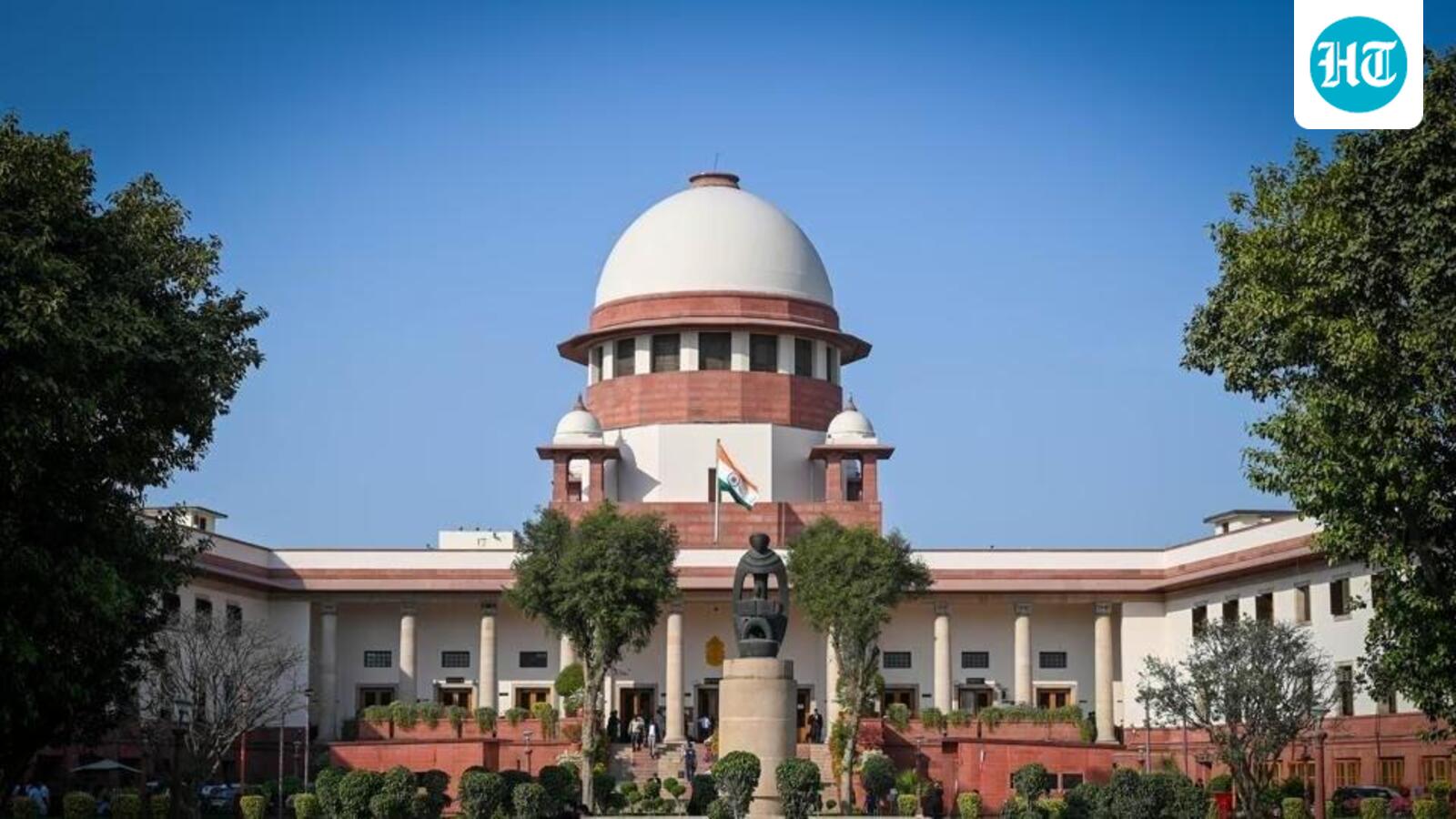
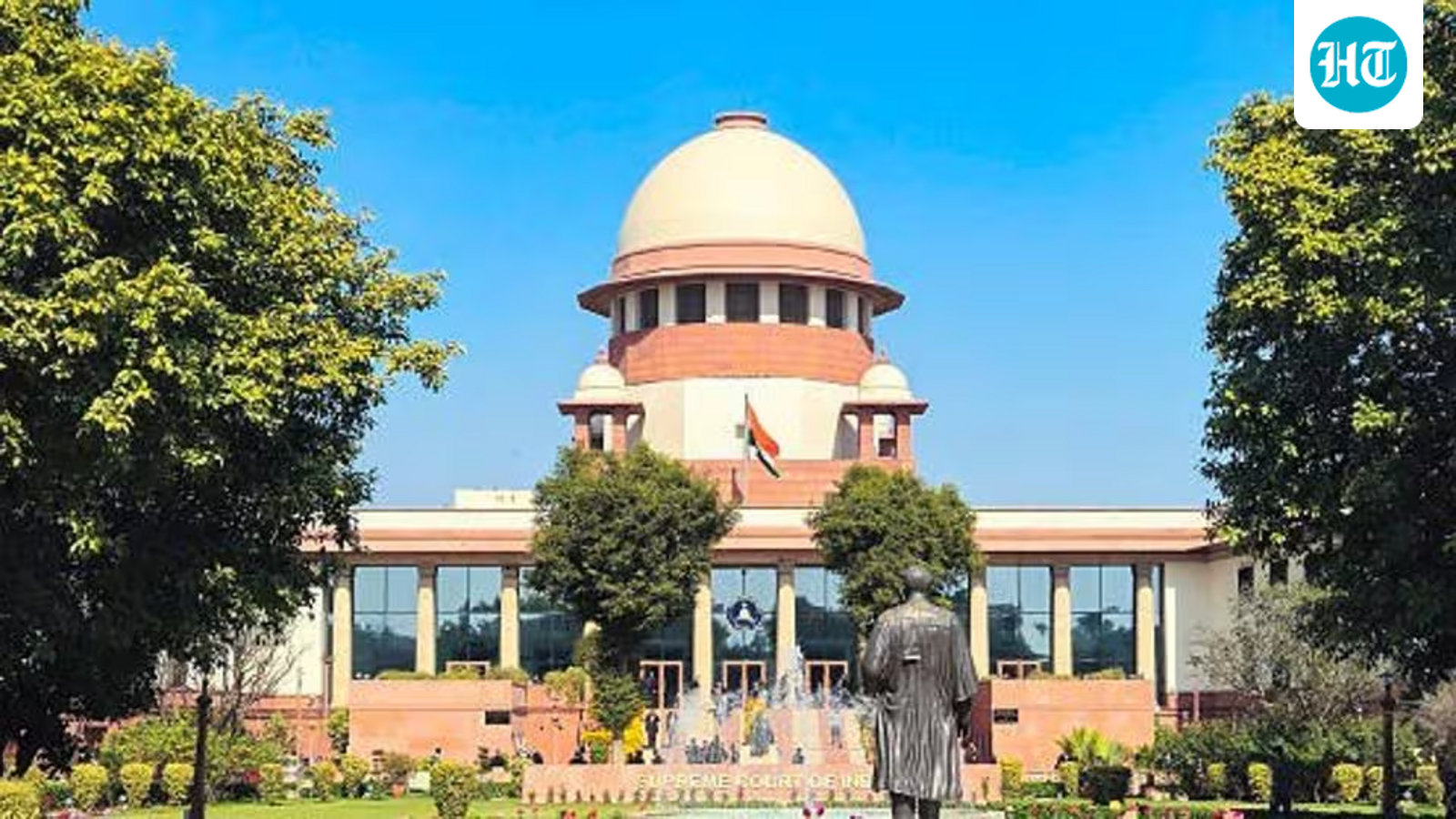
The Supreme Court on Wednesday sought to defuse a controversy over the abrupt deletion of contempt petitions concerning the deputation of Indian Police Service (IPS) officers to Central Armed Police Forces (CAPFs) from the cause list of a bench headed by Justice Ujjal Bhuyan, with Justice Manoj Misra observing that “sometimes too much heat is generated out of nothing.”
The special bench was hearing an explanation from the registry on why the contempt matters, which had been judicially directed to be listed before Justice Bhuyan’s bench on September 30, were dropped from the cause list a day ago and were later placed before the special bench along with a separate batch challenging a new law governing IPS deputations in CAPFs.
The bench, while accepting the registry’s explanation, said the registry ought to have informed the bench hearing the contempt petitions that the matters were likely to be listed before a bench to be constituted by Chief Justice of India Surya Kant.
The controversy had erupted on Tuesday when lawyers appearing in the contempt petitions informed the Justice Bhuyan-led bench that the matters, which had been specifically directed to be listed on September 29, had suddenly disappeared from the cause list. The bench had then directed the registry to explain why the case had been struck off despite a judicial order.
Reading out the registry’s note on Wednesday, the special bench said that counsel appearing for the Centre and writ petitioners had made a mentioning before the CJI on September 23 seeking that the contempt and writ petitions be placed before the same bench. The matter, however, was subsequently listed inadvertently before Justice Bhuyan’s bench on September 29, while the CJI had ordered that the two sets of cases be placed before a special bench.
“The registry should have informed this fact to the other bench,” said the bench.
Senior advocate Shyam Divan, appearing for the contempt petitioners, termed the episode a matter of “institutional credibility”, questioning how the matter could be mentioned before the CJI without the other side being informed.
Additional solicitor general Aishwarya Bhati clarified that she had made the mentioning before the contempt bench, explaining that the Centre’s principal defence in the contempt proceedings was based on the enactment of a new law, the validity of which was under challenge in the connected writ petitions.
The bench, however, told her that the other side ought to have been informed. “You ought to have informed the other side,” it told the ASG.
Bhati apologised and said: “I ought to have informed the other side.”
Senior advocate Guru Krishnakumar, who was also appearing for the contempt petitioners, questioned why the fact of the mentioning had not been disclosed even on Tuesday when the bench had passed a judicial order seeking an explanation from the registry over the deletion of the matter.
The new bench also questioned the lawyers on the Centre’s contention that the validity of the new law was central to the contempt proceedings. “Is it not a fact that the Act and its validity is in question?” the bench asked.
Divan and Krishnakumar responded that this was only one of the questions involved and not the sole issue in the contempt proceedings.
Divan added that a matter could not be suddenly struck off after being notified for hearing, stressing the importance of certainty in the Supreme Court’s cause list. “You cannot have a case struck off suddenly. This is an all-India court. People make arrangements. Once a case is notified in the cause list, nobody can fiddle with it,” he said.
The bench acknowledged the petitioners’ concern but pointed out that the new law had been made part of the Centre’s defence and the two proceedings were closely connected.
“It will be an exercise in futility if we go on with this, although you ought to have informed the bench hearing the contempt cases about the matter being mentioned before the CJI,” the bench said. It suggested that the parties exchange their pleadings so that both sets of matters could be heard together.
Solicitor general Tushar Mehta supported the move, saying the contempt proceedings could not be divorced from the challenge to the new legislation and that the matters should be heard together.
The bench then agreed to advance the hearing of the two sets of cases and fixed them for October 15, instead of November 18.